Katalyst Space Slows Spinning Satellite, Swift Rescue On Track
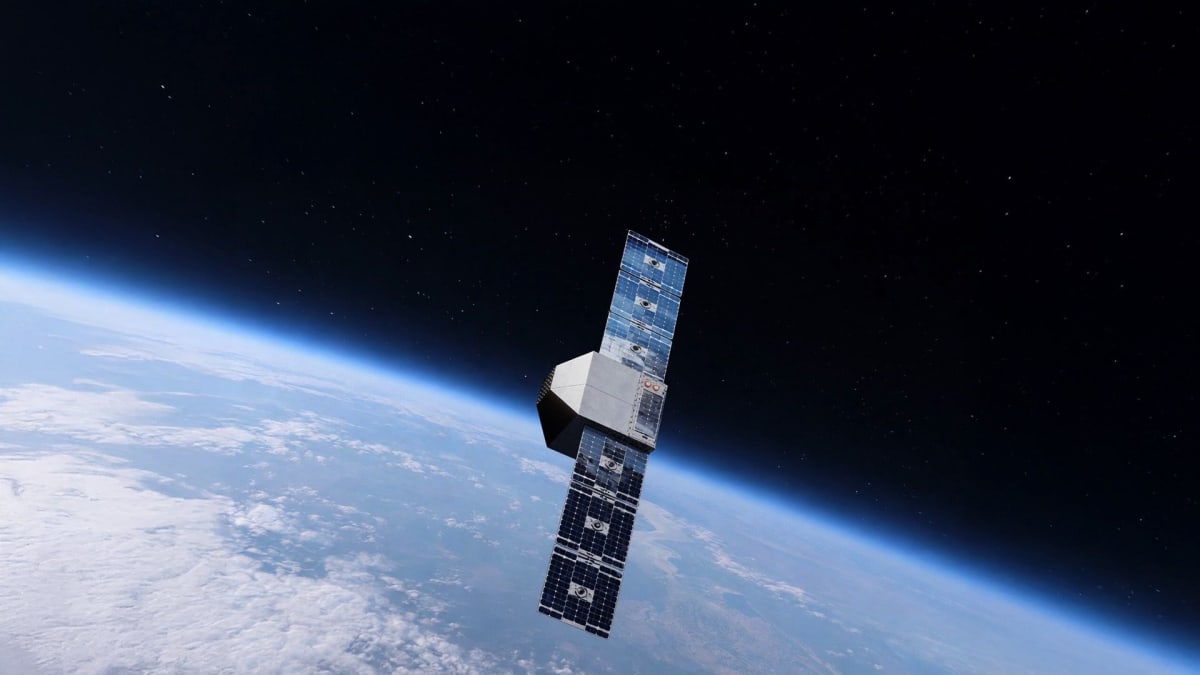
A spacecraft tumbling through space at high speed is back under control, and engineers are preparing to rescue a beloved NASA telescope. The mission to save a 22-year-old observatory just got a second chance.
When Katalyst Space Technologies' Link spacecraft started spinning out of control in late July, the future of a pioneering NASA telescope hung in the balance. Now, after weeks of careful maneuvering, the team has pulled off a remarkable recovery that keeps hope alive for a groundbreaking rescue mission.
Link was tumbling through space at 9 degrees per second when engineers began their delicate work. Using just one electric thruster and less than 100 grams of fuel, they've slowed the spin to a manageable 1.47 degrees per second. The spacecraft is now stable enough to prepare for its next challenge.
The stakes couldn't be higher. Link is racing to reach NASA's Neil Gehrels Swift Observatory, a telescope that has spent 22 years hunting cosmic explosions and helping scientists understand the universe. Without Link's help, Swift will fall back to Earth by early next year.
Swift can't raise its own orbit, and time is running out. The observatory is slowly sinking through space, now orbiting at just 350 kilometers above Earth. If it drops below 300 kilometers before Link arrives, the mission becomes impossible.
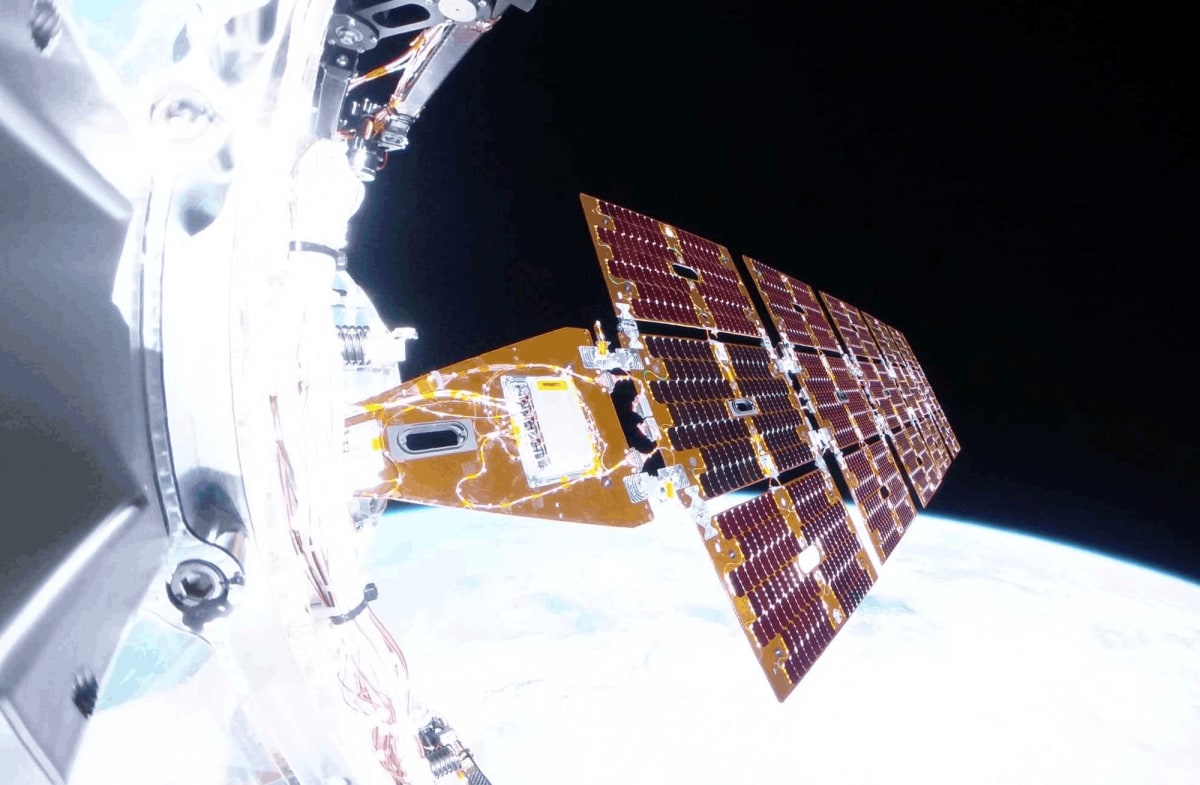
Two of Link's three reaction wheels stopped working during the incident, and its backup thrusters were only partially functional. Despite these setbacks, Katalyst's engineers adapted their approach and found a path forward. They're now preparing a major software update that will restore full control of the spacecraft.
The Bright Side
This $30 million mission represents something bigger than saving one telescope. It's the first real-world test of satellite servicing technology that could transform how we manage spacecraft. Instead of abandoning valuable satellites when they run into trouble, we could send rescue missions to extend their lives.
NASA embraced this mission knowing the risks were high. The potential rewards for the space industry and future missions made it worth the gamble. Every challenge Katalyst overcomes teaches lessons that will help future rescue missions succeed.
Link is now scheduled to reach Swift in late August, just a few weeks behind the original timeline. The team has conserved enough fuel to complete the rendezvous and grapple the observatory. Once connected, Link will use its thrusters to boost Swift back to a safe orbit, potentially giving the telescope years of additional service.
What looked like a mission-ending crisis three weeks ago has become a testament to engineering skill and determination.
More Images


Based on reporting by SpaceNews
This story was written by BrightWire based on verified news reports.
Spread the positivity!
Share this good news with someone who needs it