Kathrine Switzer ran Boston in 1967 when women were banned
When a race official tried to physically remove Kathrine Switzer from the 1967 Boston Marathon, she kept running and finished anyway. That single act of defiance helped transform distance running for millions of women worldwide.
In 1967, a college student named Kathrine Switzer registered for the Boston Marathon using her initials, K.V. Switzer, and became the first woman to officially run the race when women were still banned from competing.
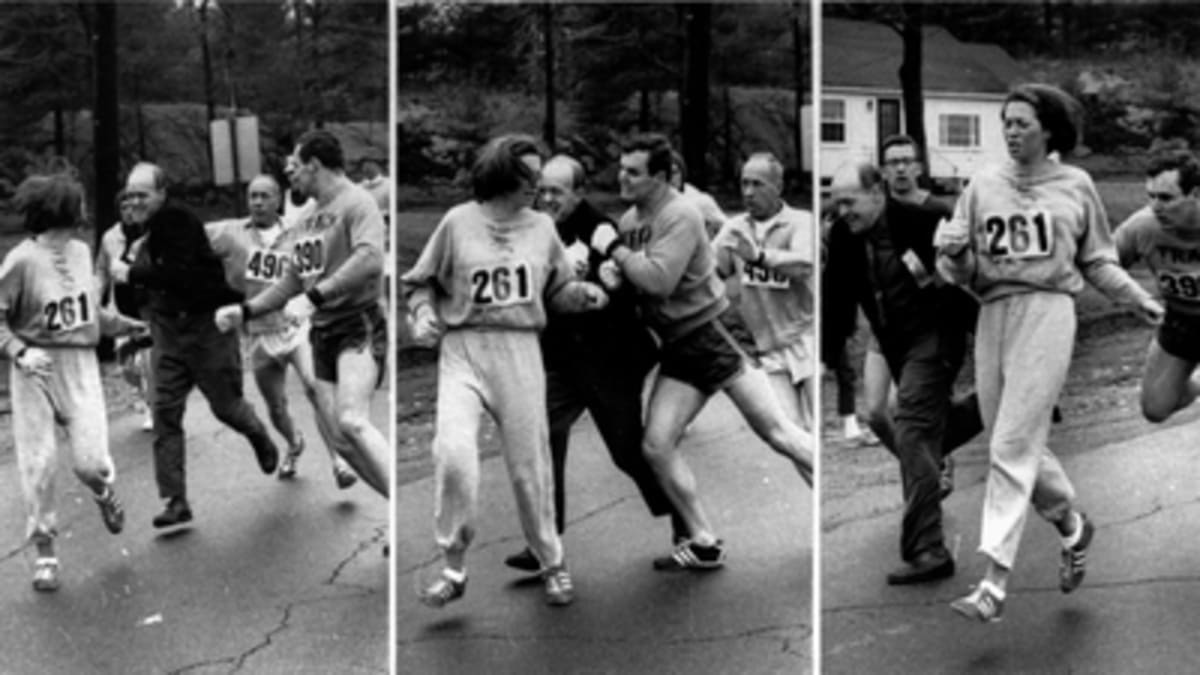
Two miles into the race, co-director Jock Semple jumped off the officials' bus and lunged at Switzer, screaming "Get the hell out of my race!" He grabbed at her bib number 261, trying to rip it off while photographers captured the shocking scene. Her boyfriend, a college football player, shoulder-checked Semple away, giving Switzer the chance to keep moving.
In that moment, Switzer made a choice. "I'm going to finish this race on my hands and knees if I have to," she told her coach. She knew that if she quit, people would use it as proof that women couldn't handle marathons.
The thinking back then seems absurd today. Switzer recalls that people believed running would make women grow hair on their chests, develop big legs, or even cause their uterus to fall out. Women sweating or working hard was considered socially unacceptable.
Switzer crossed the finish line in 4 hours and 20 minutes. The photos of Semple attacking her spread nationwide, sparking conversations about why women were excluded from marathons in the first place.
The Ripple Effect
Five years later, in 1972, women were finally allowed to officially enter the Boston Marathon. Eight women ran that year, including Switzer, and all eight finished. By 1973, Semple and Switzer met again at the starting line, but this time he greeted her warmly instead of trying to remove her.
Today, women make up nearly half of all Boston Marathon runners. According to a 2019 running industry report, women outnumbered men among American runners for the first time that year.
Switzer continued running marathons well into her later years and founded a global running organization that has helped introduce thousands of women to the sport. The photo of her being attacked became one of the most iconic images in sports history, not because of the violence it captured, but because of what happened next.
She didn't stop running, and because of that choice on a spring day in 1967, millions of women around the world now tie their shoes and run marathons without a second thought about whether they're allowed.
More Images



Based on reporting by Times of India - Good News
This story was written by BrightWire based on verified news reports.
Spread the positivity!
Share this good news with someone who needs it