Kazakhstan and Uzbekistan Build Museums for Cultural Boom
Two Central Asian nations are opening world-class art museums and cultural centers after decades of independence. In just months, these new spaces have drawn hundreds of thousands of visitors hungry for contemporary art.
Quarter of a million people rushed through the doors of a single new museum in Kazakhstan within months of opening, proving that cultural infrastructure can transform a region overnight.
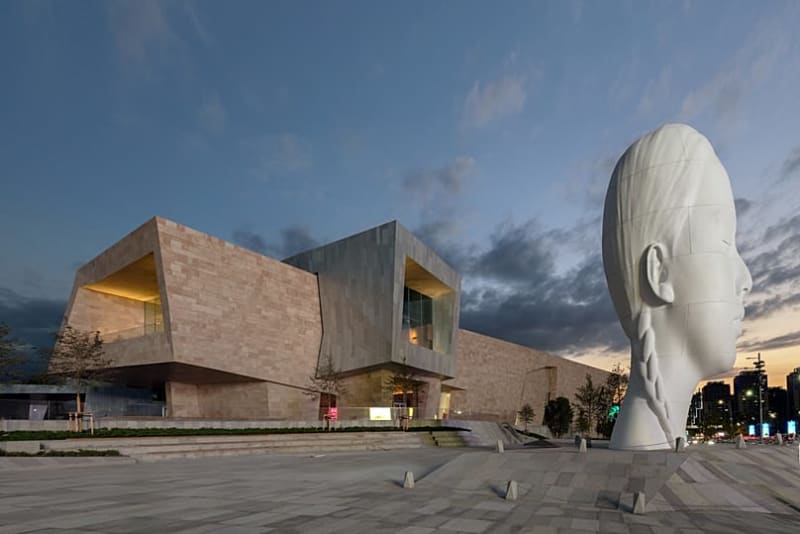
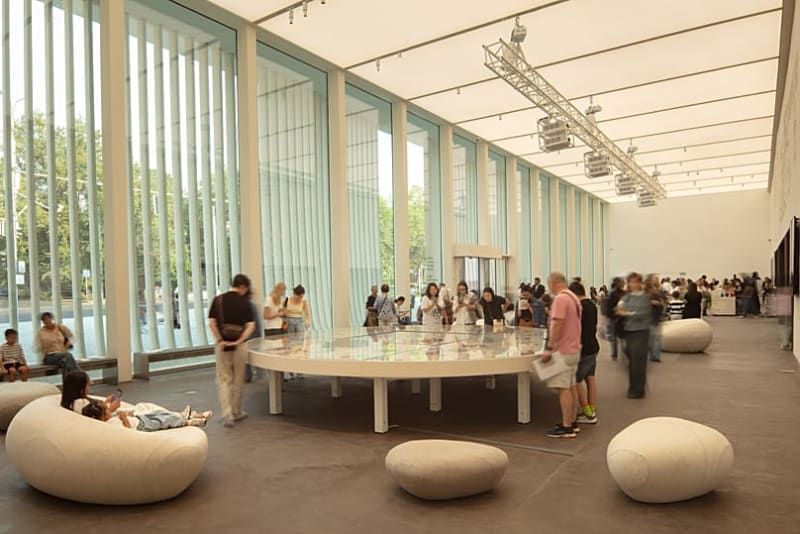
The Almaty Museum of Arts (ALMA) opened last September in Kazakhstan's cultural capital, showcasing founder Nurlan Smagulov's private collection alongside works by international artists. The overwhelming response signals something bigger: Central Asia is ready for its cultural moment.
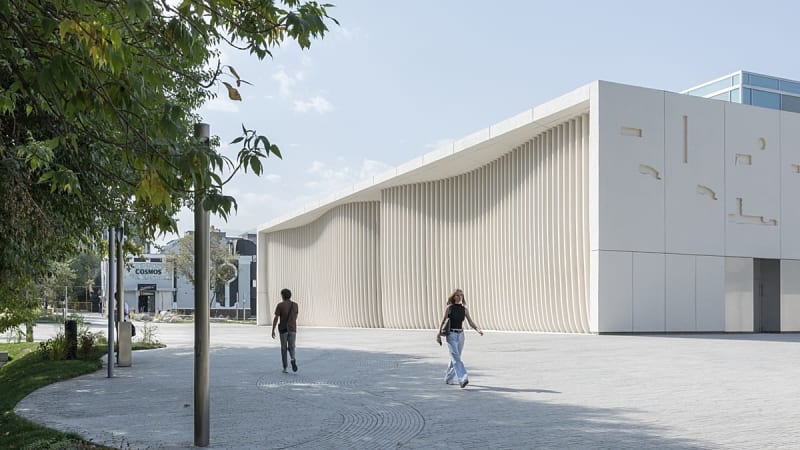
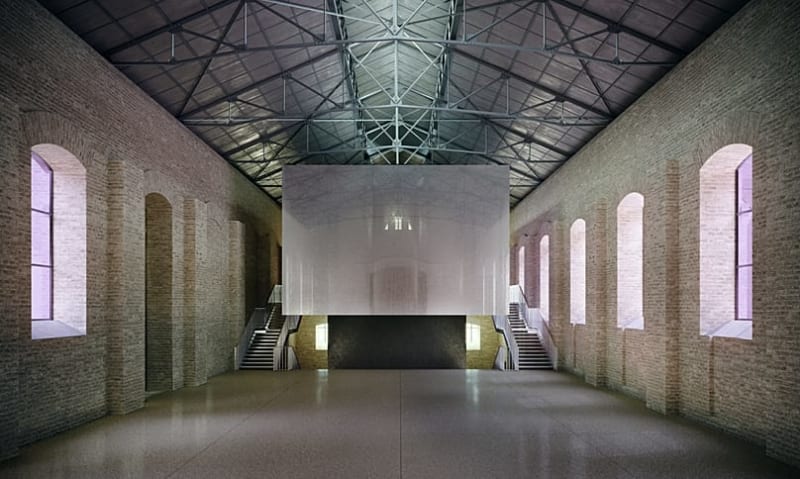
Almost simultaneously, the Tselinny Center of Contemporary Culture welcomed its first visitors in a beautifully restored Soviet-era cinema. British architect Asif Khan transformed the modernist building into Kazakhstan's first private institution dedicated entirely to contemporary culture. The center has already attracted 60,000 visitors with its exhibitions, film screenings, theater productions and experimental art.
Unlike ALMA's permanent collection approach, Tselinny focuses on building intellectual infrastructure and connections. "We work with local artists who are creating here and now," says general director Jamilya Nurkaliyeva. The center hosts research programs and creates space for artists, theorists and cultural professionals to exchange ideas.
Neighboring Uzbekistan is making equally bold moves. The country hosted Central Asia's first-ever biennial art exhibition in Bukhara last November. This March, Tashkent opens its Centre for Contemporary Arts, designed by award-winning firm Studio KO. A new National Art Museum follows in 2028.
These projects reflect different philosophies. Kazakhstan's museums grew from private philanthropy, while Uzbekistan's state-led Art and Culture Development Foundation drives a carefully coordinated national strategy. Both approaches are working.
The Ripple Effect
The cultural boom arrives as both nations approach 40 years of independence. For decades, Central Asian artists gained recognition at Paris's Centre Pompidou and New York's Museum of Modern Art faster than in their home countries. Now the infrastructure finally matches the talent.
Art gallerist Meruyert Kaliyeva sees generational significance in Kazakhstan's transformation. "The first generation of entrepreneurs of independent Kazakhstan is reaching an age where questions of legacy become central," she explains. These business leaders are choosing to invest in culture that will outlast them.
Kazakh curator Yuliya Sorokina calls the changes a point of no return. "Life in Kazakhstan has shifted because two world-class institutions have opened," she says. The message is clear: Central Asia isn't just preserving culture anymore; it's actively shaping its future.
The response from visitors proves the demand was always there, waiting for someone to build the spaces where art and community could finally meet.
More Images
Based on reporting by Euronews
This story was written by BrightWire based on verified news reports.
Spread the positivity!
Share this good news with someone who needs it
%2Ffile%2Fattachments%2Forphans%2FGettyImages-187291310_375433.jpg)