Kazakhstan Park Plants 5 Million Trees in 30 Years
A national park in Kazakhstan has turned three decades of conservation into a thriving eco-tourism success story. Over five million trees now stand where bare land once stretched across the mountains near Almaty.
Ile-Alatau National Park celebrated its 30th anniversary this year with a gift to the planet: five million trees planted across 1,637 hectares of restored forest. What started in 1996 as a modest conservation effort has grown into one of Central Asia's leading examples of how protecting nature and welcoming visitors can work hand in hand.
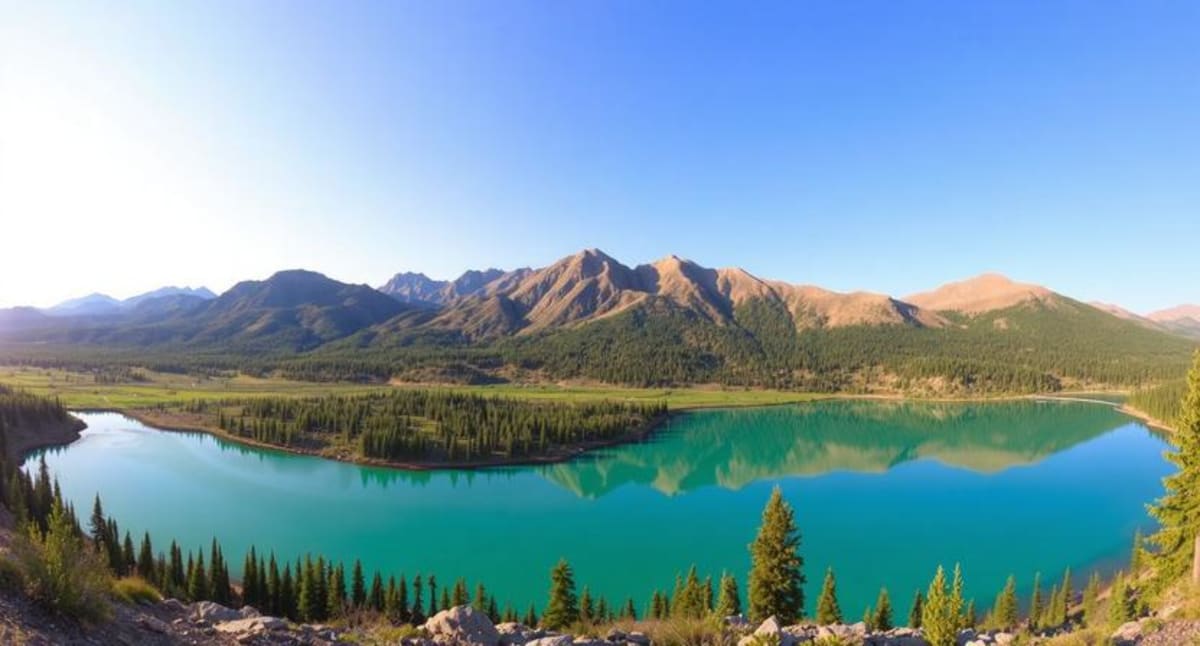
The park sits in the mountains near Kazakhstan's largest city, Almaty. Over three decades, its boundaries expanded from 164,450 hectares to 200,160 hectares, creating more protected habitat for endangered wildlife while opening doors for responsible tourism.
Those millions of trees came from temporary nurseries the park operates within its borders. Growing native species ensures the restored forests match the natural ecosystem, giving local plants and animals the best chance to thrive.
Visitors now have 46 different routes to explore, up from just eight when the park opened. Popular destinations include Big Almaty Lake, Butakovka Gorge, and Turgen Waterfalls. Park managers plan to add 30 more eco-routes in coming years, carefully designed to let more people experience the mountains without damaging fragile habitats.
The park's conservation work extends beyond trees. Populations of snow leopards, brown bears, and golden eagles have all increased thanks to protection and research programs. Scientists study rare species like the Sivers apple tree, working to ensure these unique plants survive for future generations.
The Ripple Effect
The park's success has energized environmental action across Kazakhstan. Since opening, it has organized 3,211 environmental events, engaging over two million volunteers and activists in hands-on conservation work.
These programs created a generation of nature advocates while building economic opportunities. The park now hosts 94 investment projects compared to just one in 1998, developing ski resorts, visitor centers, and recreation facilities that employ local residents and support surrounding communities.
Annual campaigns like the international March of Parks have become fixtures of Kazakhstan's environmental calendar. These events teach visitors why biodiversity matters while giving them meaningful ways to contribute to conservation efforts.
Each new eco-route, each planted tree, and each protected snow leopard proves that tourism and conservation can fuel each other's success rather than compete.
Based on reporting by Google News - Reforestation
This story was written by BrightWire based on verified news reports.
Spread the positivity!
Share this good news with someone who needs it