Kazakhstan Plants 87,000 Trees to Bring Tigers Home
Tigers will roam Kazakhstan for the first time in 70 years, thanks to a massive tree-planting effort restoring their lost habitat. The country has planted 87,000 seedlings since 2021 to prepare ecosystems for wild tigers arriving in 2026.
After seven decades without tigers, Kazakhstan is rebuilding the forests that will welcome them home.
The last Caspian tigers disappeared from Kazakhstan in the late 1940s, victims of hunting and habitat loss. Now, the Central Asian nation is racing to restore what was lost with an ambitious reintroduction program that starts with something simple: planting trees.
Last year alone, conservationists planted 37,000 seedlings and cuttings near Lake Balkhash in southeast Kazakhstan, where tigers once thrived. Combined with 50,000 seedlings planted between 2021 and 2024, these new forests are becoming the foundation for a recovered ecosystem.
The tree planting is part of Kazakhstan's broader greening initiative that has planted 1.4 billion trees since 2021. Officials aim to reach 2 billion by 2027.
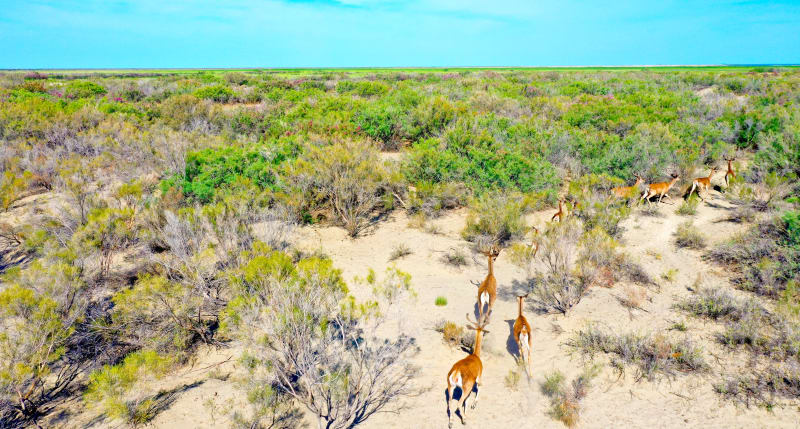
But these aren't just any trees. The 30,000 narrow-leaf oleaster seedlings, 5,000 willows, and 2,000 turanga poplars create "islands" of forest that regulate water flow and provide shelter. More importantly, they feed the animals that tigers hunt, like wild boar and Bukhara deer.
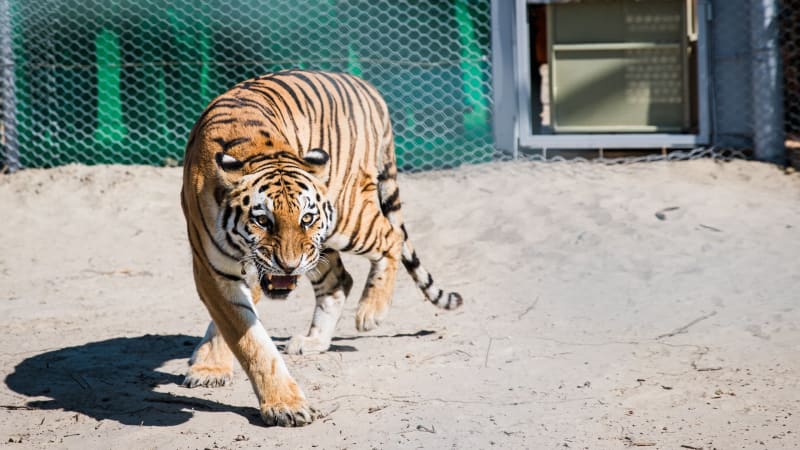
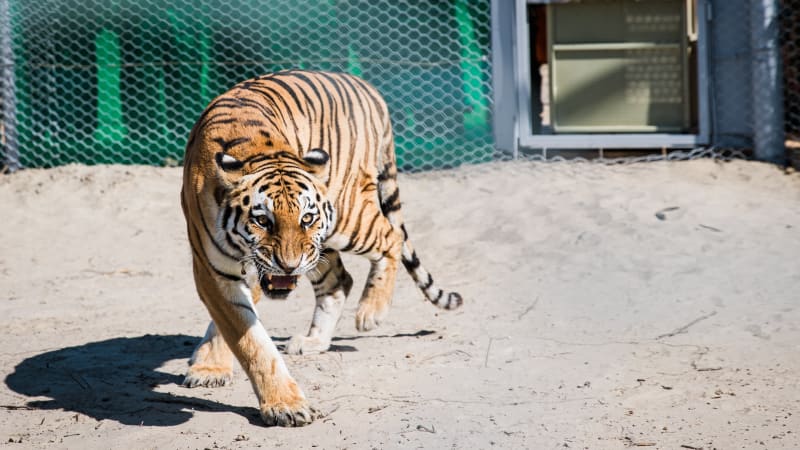
The program, led by Kazakhstan's government with support from the World Wildlife Fund and United Nations, already has two captive Amur tigers adapting to their new home. Bodhana and Kuma arrived from a Netherlands sanctuary in 2024 and live in the Ile-Balkhash Nature Reserve, where conservationists hope they'll breed.
Wild ungulates have already been spotted foraging in the restored areas, a sign the ecosystem is coming back to life. Each planted tree directly contributes to creating suitable tiger habitat.
The first wild tigers will arrive from Russia in early 2026. These Amur tigers are perfect replacements for the extinct Caspian tigers because research shows they were likely the same population before human activity separated them in the 19th century.
The Ripple Effect
The recovery extends far beyond tigers. As forests grow along the 2.5 miles of restored Lake Balkhash shoreline, the entire ecosystem stabilizes. Water flows more predictably, preventing floods. Prey animals return, followed by predators. What starts as seedlings becomes a complete, functioning wilderness.
The program's success depends on climate stability, water resources, and vegetation growth, but early signs are promising. Wild animals are already returning to the recovering Ile-Balkhash ecosystem, drawn by the new forests and renewed habitat.
Kazakhstan's giant gamble on tree planting is proving that sometimes the path to bringing back the world's largest cats starts with the smallest seedlings.
More Images


Based on reporting by Live Science
This story was written by BrightWire based on verified news reports.
Spread the positivity!
Share this good news with someone who needs it