Kaziranga Discovers 57 Endangered Fishing Cats in Wetlands
India's Kaziranga National Park has emerged as a crucial refuge for the endangered fishing cat, with scientists documenting 57 individuals across the park's wetlands. The discovery reveals that conservation efforts are protecting not just iconic species, but also the lesser-known creatures that depend on healthy ecosystems.
In the floodplains of Assam's Kaziranga National Park, camera traps set up to monitor tigers captured something unexpected: one of India's most secretive predators thriving in the shadows.
Scientists have documented at least 57 individual fishing cats living across more than 450 square kilometers of the park's wetlands. It's one of the highest counts ever recorded from any freshwater habitat in India, transforming our understanding of what this famous rhinoceros sanctuary really protects.
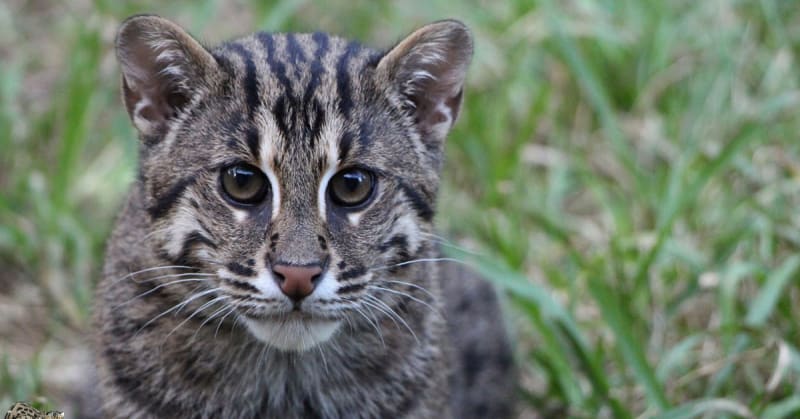
Fishing cats are nocturnal hunters built for water, with partially webbed feet and muscular bodies perfect for stalking fish in shallow marshes. Unlike most felines, they're actually comfortable getting wet, spending their nights prowling oxbow lakes and floodplains that other cats avoid.
But their wetland dependency makes them vulnerable. Across South and Southeast Asia, fishing cat populations have collapsed as marshes disappear and pollution spreads.
The discovery came from analyzing camera trap images originally intended for tiger monitoring. Researchers identified individual cats by their unique coat patterns, establishing the first scientific baseline for the species in Kaziranga.
The Ripple Effect
The fishing cat population reveals something bigger than just one species doing well. These cats serve as living indicators of ecosystem health, and their numbers suggest Kaziranga's wetlands remain relatively intact despite climate pressures changing river flows across the region.
The park's wet alluvial grasslands, shallow water bodies, and woodland patches create ideal conditions where fishing cats can hunt, breed, and raise young safely. Protected status means these habitats stay connected, giving the cats room to roam without encountering the threats that devastate populations elsewhere.
Researchers note the current count may actually underestimate the true population. More comprehensive surveys could reveal even higher numbers, cementing Kaziranga's role as a critical stronghold for the species.
Conservation often focuses on charismatic megafauna like tigers and rhinos, and rightfully so. But this discovery reminds us that protecting landscapes saves entire ecosystems, including the smaller specialists that rarely make headlines but play essential roles in keeping nature balanced.
In Kaziranga's marshes, where monsoons reshape the land each year, fishing cats are finding what they need most: space, water, and safety. Their success story is playing out quietly in the reeds, one nocturnal hunt at a time.
More Images
%2Fenglish-betterindia%2Fmedia%2Fmedia_files%2F2026%2F02%2F27%2Fkaziranga-fishing-cat-2026-02-27-12-43-14.png)
%2Fenglish-betterindia%2Fmedia%2Fmedia_files%2F2025%2F11%2F20%2Fwild-at-heart-banner-image-microsite-banner-2025-11-20-16-17-04.jpg)

%2Ffilters%3Aformat(webp)%2Fenglish-betterindia%2Fmedia%2Fmedia_files%2F2026%2F02%2F27%2Fkaziranga-fishing-cat-2026-02-27-12-36-10.png)
Based on reporting by The Better India
This story was written by BrightWire based on verified news reports.
Spread the positivity!
Share this good news with someone who needs it