Kenya Builds Cotton-to-Textile Industry, Jobs at Home
Kenya isn't just growing more cotton—it's keeping the entire process local, from farm to fabric to finished clothing. The strategy is creating jobs at every step and keeping money circulating in the country.
For decades, Kenya grew cotton and sent it away for processing, losing the economic value at every step after harvest.
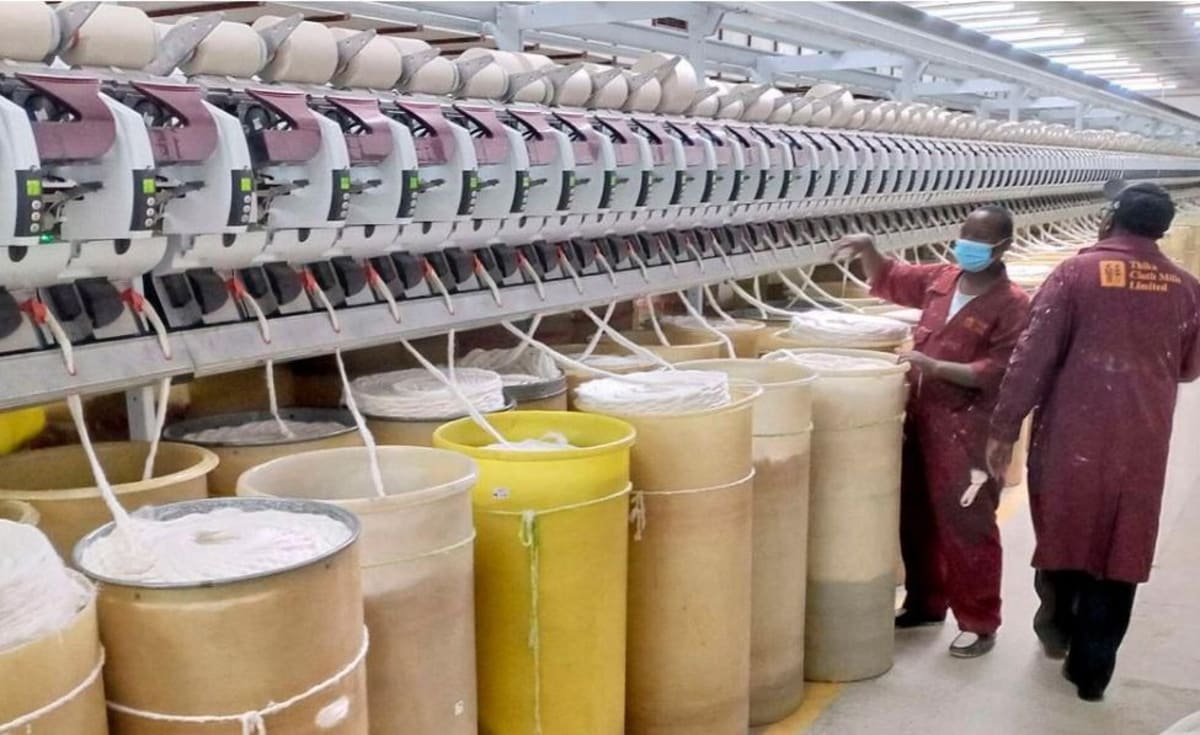
Now the country is doing something different. Companies like Thika Cloth Mills are building an entire cotton ecosystem inside Kenya, turning raw crops into yarn, fabric, and finished clothing without ever leaving the country.
Hesborn Olweny, Cotton Development Lead at Thika Cloth Mills, explains the opportunity most people miss. "Cotton is not just an agricultural commodity," he says. "The strategy is what happens after the farm."
Last season, the company purchased over two million kilograms of seed cotton from Lamu County alone, where farmers have embraced new cotton varieties. Total production reached 3.5 million kilograms, and volumes are expected to rise as more farmers return to cotton farming.
But purchasing cotton is just the beginning. Thika Cloth Mills wants to build processing facilities closer to farmers, creating jobs in ginning, spinning, weaving, and dyeing right in cotton-growing regions.
The benefits extend beyond textiles. Cotton seeds become animal feed and oil for soap production. Every stage requires transport workers, machine mechanics, packaging specialists, and retail staff.
The Ripple Effect
The real transformation lies in what Olweny calls moving from "Made in Kenya" to "Made from Kenyan cotton." Currently, many Kenyan garment factories import yarn and fabric from other countries, even though Kenya grows cotton.
When cotton stays in Kenya through every processing stage, each step creates local jobs and keeps money circulating domestically. A single harvest supports farmers, ginners, spinners, weavers, dyers, garment makers, and everyone in between.
For years, Kenyan textile manufacturers could only rely on local cotton for two or three months before importing from Tanzania and Uganda. That's changing as production increases and quality improves.
The company is investing in predictable supply chains, working directly with farmer cooperatives to ensure consistent volumes and quality year-round. They're building the infrastructure to make Lamu a major cotton processing center, with plans to replicate the model in other counties.
Nothing goes to waste in this system. Cotton lint becomes fabric, seeds become animal feed and oil, and every processing stage employs more Kenyans building their country's industrial capacity.
The demand already exists—Kenya has a significant apparel manufacturing industry. The missing piece has been keeping the entire value chain local, and that's exactly what's being built right now.
Based on reporting by AllAfrica - Headlines
This story was written by BrightWire based on verified news reports.
Spread the positivity!
Share this good news with someone who needs it