Kenya Court Strikes Down Law That Banned Seed Sharing
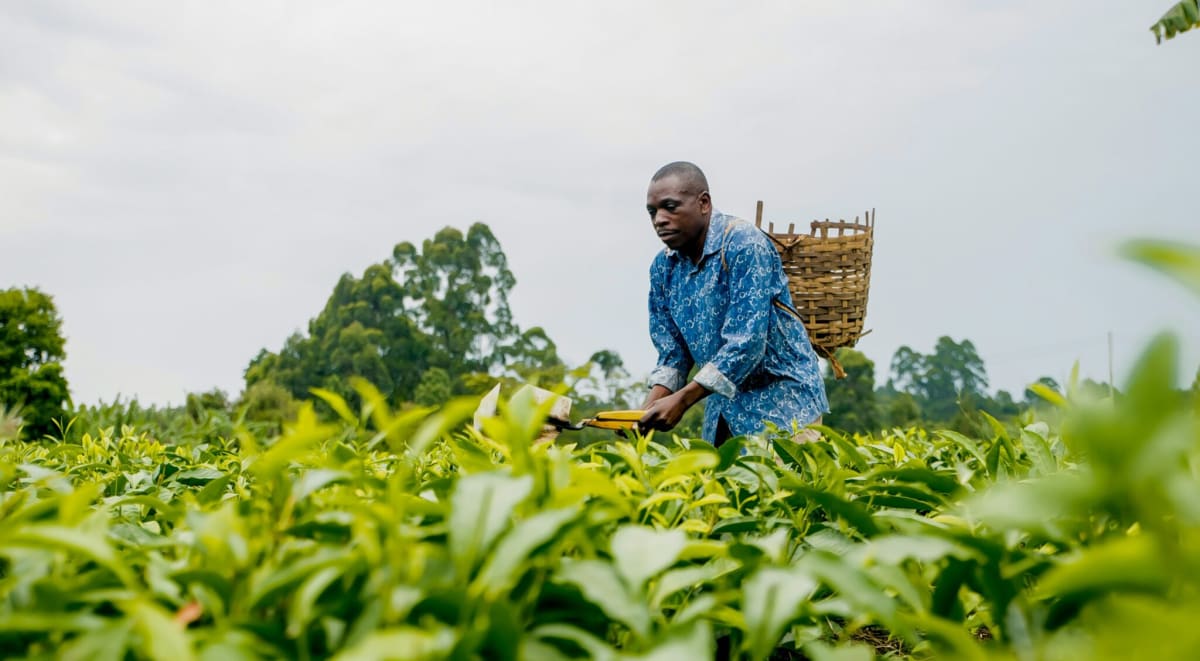
Kenya's highest court just ruled that farmers can legally share seeds again, overturning a 2016 law that made a generations-old practice illegal. The decision protects small farmers who produce 80% of the country's food from seed monopolies.
Kenyan farmers can now legally share seeds with their neighbors again, thanks to a groundbreaking court ruling that struck down a law criminalizing the ancient practice. The decision protects the rights of small-scale farmers who feed most of the nation.
In November, High Court Justice Rhoda Rutto ruled that the 2016 Seeds and Plant Varieties Act violated Kenya's constitution. The law had banned farmers from sharing seeds, a tradition practiced for generations to build drought-resistant and pest-resistant crops perfectly suited to local conditions.
The ruling came after farmers, indigenous communities, and Greenpeace challenged the law in court. They argued it stripped away cultural rights and turned farmers who produce 80% of Kenya's food into criminals for simply saving seeds from their own crops and sharing them with others.
The 2016 law gave exclusive selling rights to companies whose seeds passed national certification. Only large international seed companies like Bayer had the resources to meet these requirements, effectively creating a monopoly that pushed out traditional farming practices.
For thousands of years, Kenyan farmers have exchanged seeds after each growing season. This practice created millions of genetically distinct crops with different shapes, sizes, and colors, each adapted to specific local needs and conditions.
The Ripple Effect
The ruling does more than restore farming traditions. It protects biodiversity and food security across Kenya by preserving the genetic diversity that makes crops resilient to changing climates and pests.
A UN working group on rural communities celebrated the decision as a win for human rights over corporate control. "This judgment rightly recognizes that seed sharing is not a crime, but a fundamental element of peasants' identity, resilience and contribution to national food systems," they said in a statement.
The decision sends a message to other countries with similar restrictive seed laws. Human rights and food security must come before narrow commercial interests, especially when small farmers feed entire nations.
Justice Rutto wrote that the law violated cultural rights by limiting access to traditional and indigenous seeds, eroding the cultural distinctiveness of Kenya's indigenous peoples. Her ruling affirms that farmers own what grows on their land.
The victory proves that communities standing together can challenge powerful interests and win.
More Images
Based on reporting by Good News Network
This story was written by BrightWire based on verified news reports.
Spread the positivity!
Share this good news with someone who needs it