Kenya Drones Stop Elephant-Human Conflicts in Amboseli
Thermal drones are helping nearly 2,000 elephants and 200,000 people live peacefully together near Kenya's Amboseli National Park. The technology has reduced dangerous encounters and saved lives on both sides.
Dominic Mutua used to spend sleepless nights guarding his crops from two elephants that regularly trampled his farm near Amboseli National Park. Now, drones do the watching for him.
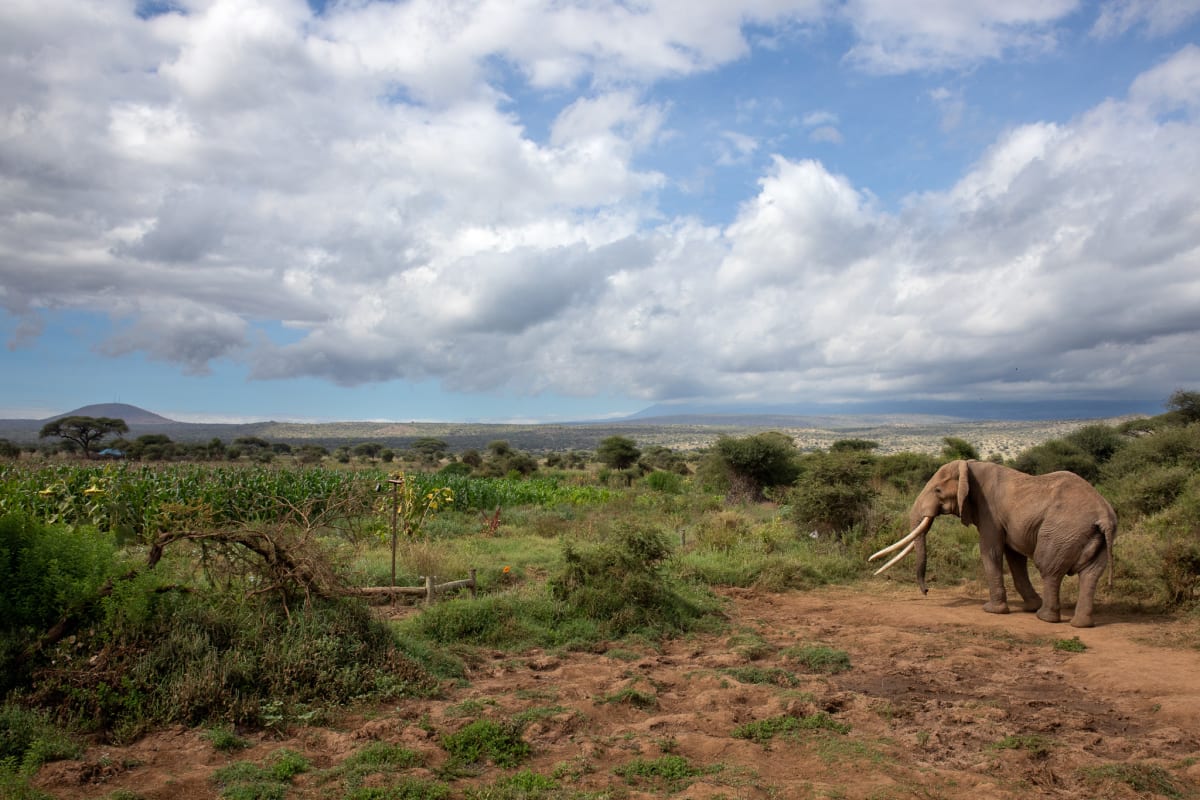
Kenya's Amboseli region faces a tough challenge. Nearly 2,000 African elephants roam freely through an unfenced park that sits alongside farms and villages where 200,000 people live. When elephants wander into cropland seeking food, farmers lose their livelihoods and sometimes retaliate with violence.
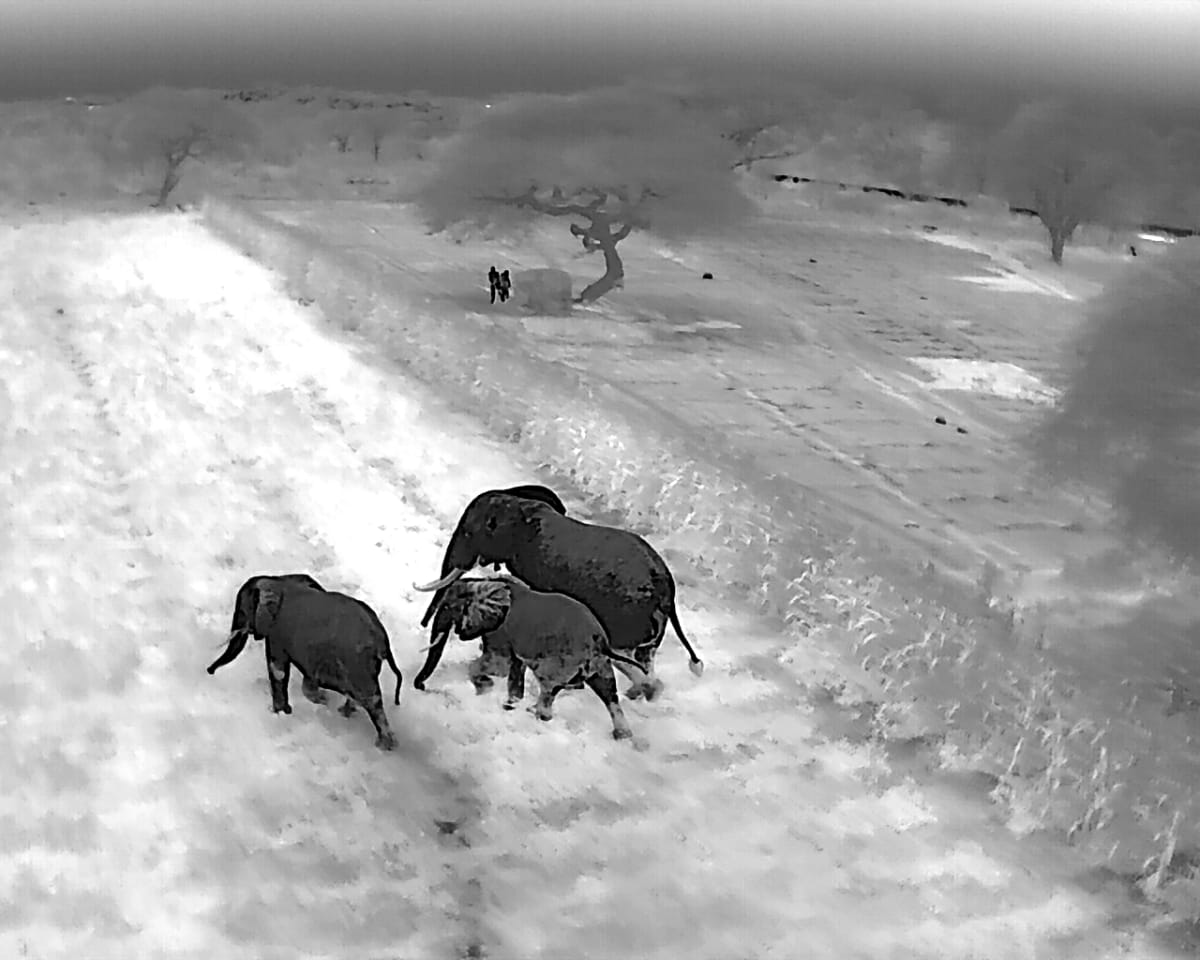
Conservation teams found an innovative solution. They deployed thermal drones that spot elephants from the air, day or night, and gently guide them away from human settlements before conflicts start.
The results speak for themselves. In May and June 2024 alone, drones intervened in 78 incidents involving elephants. In 33 cases, they successfully herded elephants out of farms and back toward the park after the animals crossed protective fences.
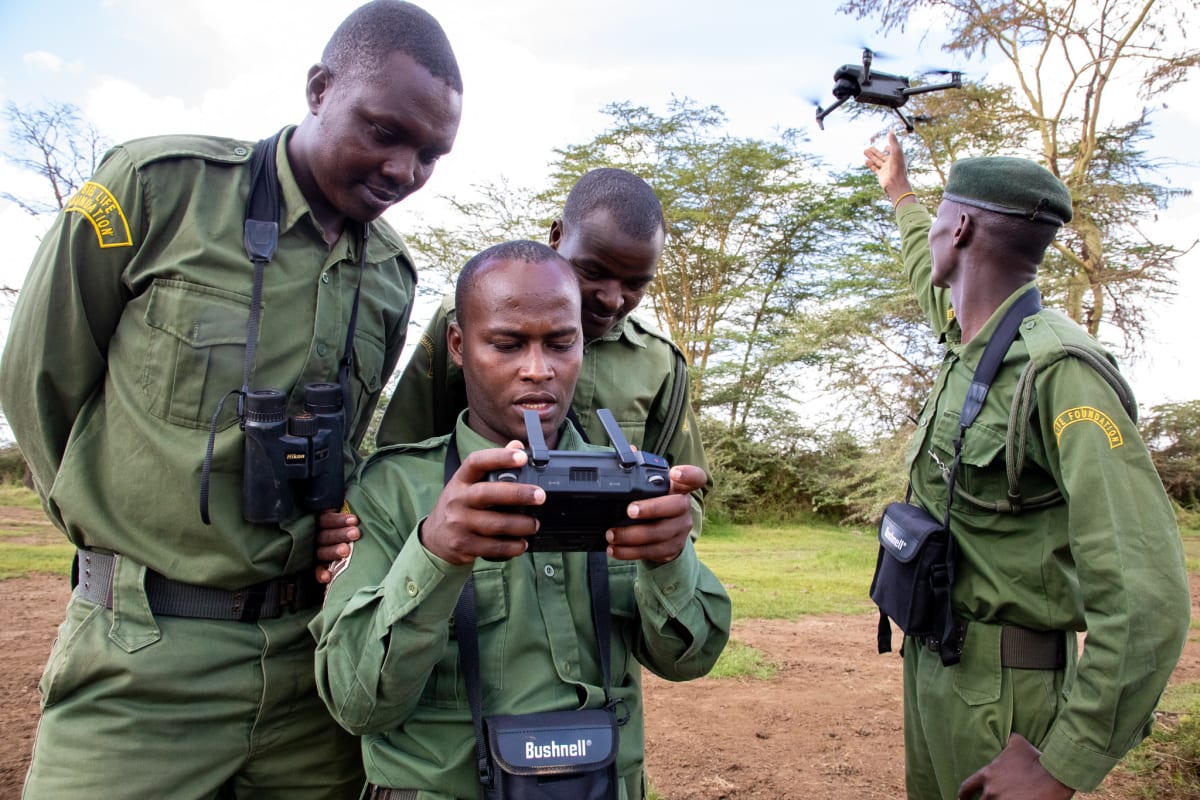
The technology works surprisingly simply. Drone pilots position the aircraft behind or above elephant herds, and the buzzing propeller sound encourages the animals to retreat. "With their buzzing propellers, sounding like a swarm of bees, these drones are now used to chase elephants from farms," said John Olekina, a 54-year-old father of four from nearby Kimana Sanctuary.
The drones carry infrared sensors that detect heat signatures in complete darkness. This means rangers can track elephant movements at night when most crop raiding happens, without putting anyone in danger.
Traditional methods like fencing, chili oil deterrents, and ranger patrols still help in certain situations. But thermal drones offer better precision and safety for both people and elephants across Amboseli's vast landscape.
The Ripple Effect
The impact extends beyond individual farms. Over a recent 10-year period, more than 9,000 human-wildlife conflict cases were reported in the Amboseli ecosystem, with nearly half involving elephants. Many ended in injury or death for both species.
"Thanks to the use of drones in wildlife conservation, we have seen a reduction in retaliatory injuries and deaths," Jeremy Goss, Program Director at Big Life Foundation, told researchers. The US-based nonprofit partners with local communities to protect elephants while respecting people's need to farm and live safely.
The park's survival depends on the surrounding community lands, which cover 8,093 square kilometers compared to the park's modest 392 square kilometers. Keeping peace in this shared space protects one of Africa's most important elephant populations.
Kenya counted 42,072 elephants nationwide in its 2025 census, proof that conservation efforts across the country are working. In Amboseli, drones are helping write the next chapter of that success story, one peaceful night at a time.
More Images


Based on reporting by Mongabay
This story was written by BrightWire based on verified news reports.
Spread the positivity!
Share this good news with someone who needs it