Kenya Empowers Women Farmers to Lead Climate Resilience
As Kenya braces for a major El Niño event, experts say the key to surviving climate shocks lies in supporting women farmers who grow much of Africa's food but face the highest risks when trying new methods. A new approach focuses on giving them the resources to innovate safely.
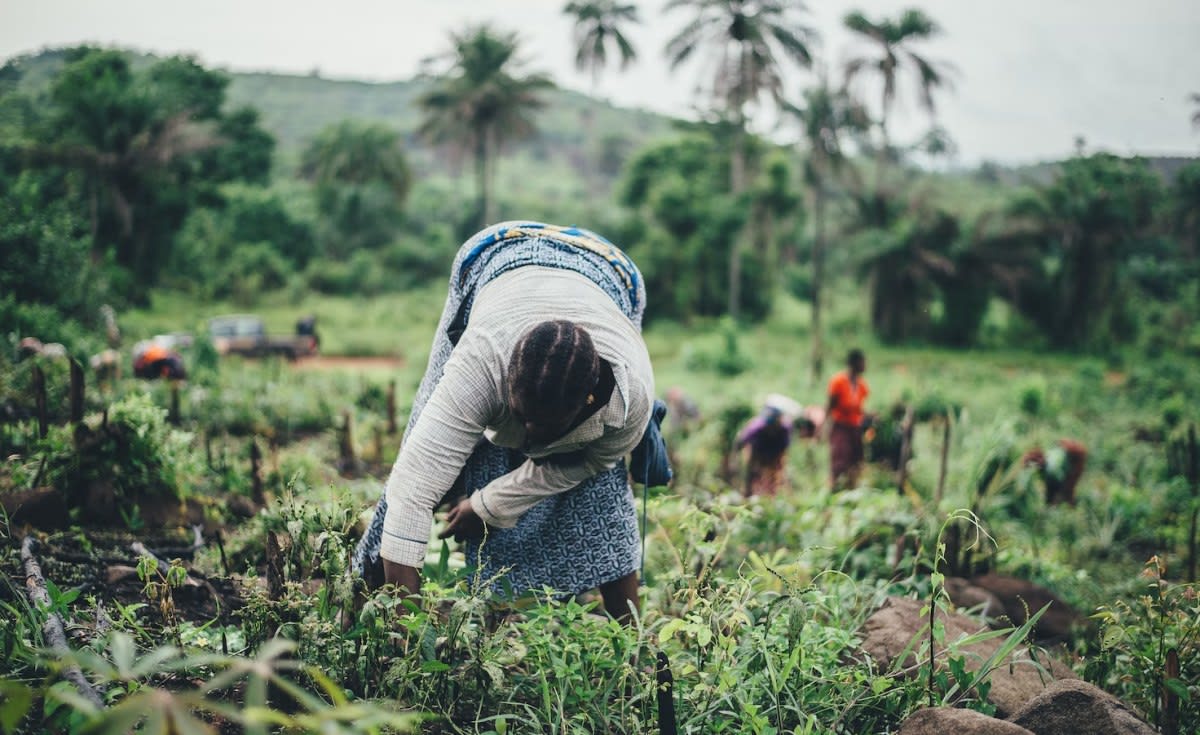
Women farmers across Africa are being recognized as the secret weapon in building food systems that can withstand droughts, floods, and extreme weather. Dr. Eileen Nchanji, a gender expert at the Alliance of Bioversity International, is leading efforts to shift how countries prepare for climate disasters by focusing on the people who grow 40 to 50% of Africa's food: women.
"Women are not 'afraid of change,'" Nchanji explains. "They simply face higher risks if an investment fails."
The timing couldn't be more urgent. Kenya is preparing for what could be one of the strongest El Niño events on record, with forecasters predicting it will strengthen through 2026 and potentially affect 1.5 million people. The last major El Niño in 2015-2016 caused severe flooding and massive agricultural losses across East Africa.
But this time, there's a different strategy taking shape. Instead of just distributing better seeds or new technology, Kenya and other African nations are building support systems that account for the unique challenges women farmers face.
Women plant, harvest, preserve seeds, and ensure their families eat nutritious meals. They're also responsible for childcare, cooking, and fetching water, leaving little time to learn new techniques or recover from failed harvests. When women don't own the land they farm, they can't access loans or invest in long-term improvements.
The challenge becomes even trickier when a woman's crop succeeds. Nchanji points out that when crops become profitable, men often take control of sales and most of the income, even when women did the work.
The Ripple Effect
The solution emerging across Kenya involves bringing together land rights, finance, appropriate tools, weather information, and a voice in household decisions. When women have these resources, they can afford to try drought-resistant crops or new farming methods without risking their family's survival.
The payoff extends far beyond individual farms. "When women earn money and have a voice, they invest it right back into food, education, and healthcare for their families," Nchanji says. Studies show that supporting women farmers doesn't just increase harvests; it improves nutrition, keeps kids in school longer, and strengthens entire communities.
As Kenya's meteorological service predicts above-average rainfall from October to December, authorities are identifying vulnerable communities and preparing emergency plans. But they're also working to protect the farmers and livestock keepers who will face flooding, crop damage, and market disruptions.
The shift represents a fundamental change in how countries think about climate resilience: not just what farmers grow, but who has the power and resources to adapt when the next crisis hits. Building resilient food systems means building them around the women who've been sustaining them all along.
Based on reporting by AllAfrica - Headlines
This story was written by BrightWire based on verified news reports.
Spread the positivity!
Share this good news with someone who needs it