Kenya Ocean Summit Lands $6.4B in Marine Protection Pledges
More than 5,000 delegates just wrapped a historic ocean conference in Mombasa, Kenya, securing $6.4 billion in commitments to protect our seas. African nations led the charge on fishing transparency, deep-sea mining pauses, and new marine sanctuaries.
The ocean just got a major boost from an unlikely place.
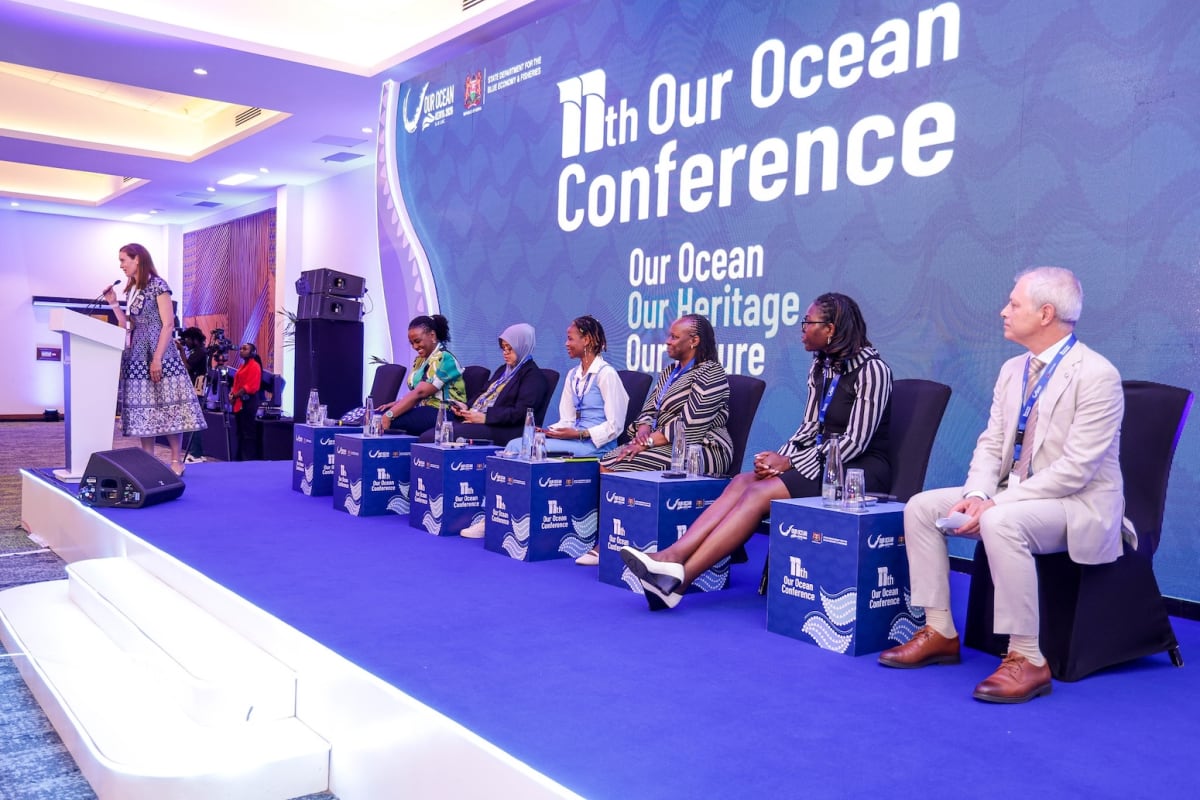
More than 5,000 delegates gathered in Mombasa, Kenya, this June for the Our Ocean Conference, marking the first time in 11 years the event landed on African soil. The result? A whopping $6.4 billion in new commitments to protect marine life and combat climate threats to our seas.
African countries didn't just host the talks. They drove them forward, leading ambitious discussions on fishing transparency, halting deep-sea mining, and creating protected zones in international waters.
The three-day summit produced 320 separate commitments spanning everything from scientific research funding to waste management programs that will reduce ocean pollution. Many projects focus on mapping Indigenous communities' traditional fishing waters, ensuring local knowledge gets the respect it deserves.
Several nations signed high-level declarations tackling illegal fishing, protecting climate-resilient coral reefs, and pausing destructive deep-sea mining operations. These aren't just paper promises. The billions in funding will back programs already taking shape.
Non-governmental organizations released fresh reports during the conference, covering topics from marine sanctuary implementation to identifying coral reefs that can withstand warming waters. These research efforts give conservationists the data they need to focus resources where they'll do the most good.
Former US Secretary of State John Kerry, who launched the conference back in 2014, challenged delegates to shift "from commitments to implementation." His message resonated throughout the halls.
The Ripple Effect
This conference represents something bigger than funding announcements. For the first time, African nations took center stage in global ocean policy, bringing perspectives from communities whose livelihoods depend directly on healthy seas.
The commitments made in Mombasa will protect fishing communities across multiple continents. Better waste management means cleaner beaches and healthier marine ecosystems. Protected coral reefs serve as nurseries for fish species that feed millions of people.
When nations pause deep-sea mining, they're choosing long-term ocean health over short-term resource extraction. When they map Indigenous waters, they're honoring traditional stewardship that's sustained communities for generations. Each decision creates waves of positive change.
Observers called the summit's outcomes "positive steps" while emphasizing the real work starts now. Turning $6.4 billion in pledges into tangible ocean protection will require sustained effort and accountability.
The ocean covers 71% of our planet, produces half the oxygen we breathe, and absorbs a quarter of carbon dioxide emissions. When we protect it, we protect ourselves.
Based on reporting by Carbon Brief
This story was written by BrightWire based on verified news reports.
Spread the positivity!
Share this good news with someone who needs it