Kenya Secures $3.9M to Restore Critical Wildlife Corridors
Kenya just landed nearly $4 million to bring threatened ecosystems back to life, connecting vital wildlife corridors and protecting biodiversity. The partnership with WWF marks a major step toward the country's 2030 conservation goals.
Kenya is getting $3.9 million to restore some of its most threatened ecological corridors, breathing new life into ecosystems that connect critical wildlife habitats across the country.
The Global Biodiversity Framework Fund approved the funding for Kenya's "Sustainable Management and Restoration of Threatened Ecological Corridors" project. NETFUND, Kenya's environmental trust fund, will lead the initiative aimed at restoring damaged ecosystems and creating connected landscapes where wildlife can thrive.
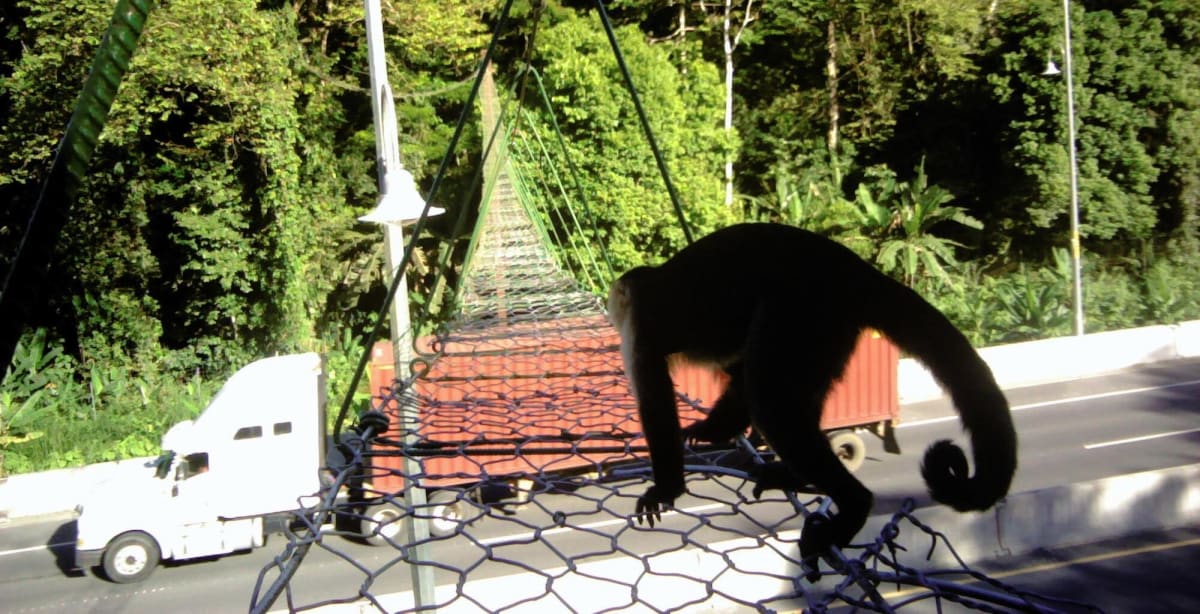
The project targets ambitious goals set by the Kunming-Montreal Global Biodiversity Framework, focusing on ecosystem restoration and expanding protected areas by 2030. These corridors are essential for allowing elephants, lions, and other species to migrate safely between habitats without conflict with human communities.
Principal Secretary Festus Ng'eno met with the World Wildlife Fund delegation in Nairobi to strengthen the partnership. Representatives from WWF-US, WWF-Kenya, the Global Environment Facility, and NETFUND gathered to discuss current projects and future conservation plans.
The team celebrated wins from the Lake Naivasha Ecosystem-Based Management Project, which has already achieved significant forest restoration and reduced land degradation around the iconic lake. These proven results helped secure confidence in Kenya's ability to manage the new corridor project effectively.
The partnership also reviewed the Heart of Conservation Initiative, a pipeline project under the Amboseli Ecosystem Fund that awaits final approval. Ng'eno confirmed his office is coordinating with wildlife authorities to ensure all conservation efforts align with national priorities.
The Ripple Effect
This investment does more than protect animals. Healthy ecological corridors reduce human-wildlife conflict by giving animals safe passage routes, protecting farmers' crops and livestock while preserving biodiversity.
Restored ecosystems also capture carbon, filter water, and support the tourism industry that employs thousands of Kenyans. When corridors connect protected areas, genetic diversity improves among wildlife populations, making species more resilient to climate change and disease.
The project reinforces Kenya's reputation as East Africa's conservation leader, potentially inspiring neighboring countries to invest in similar cross-border ecological connections. Success here could create a blueprint for corridor restoration across the continent.
Kenya's commitment to collaborative conservation shows that protecting nature and supporting communities can happen together, creating a future where both wildlife and people flourish.
Based on reporting by AllAfrica - Environment
This story was written by BrightWire based on verified news reports.
Spread the positivity!
Share this good news with someone who needs it