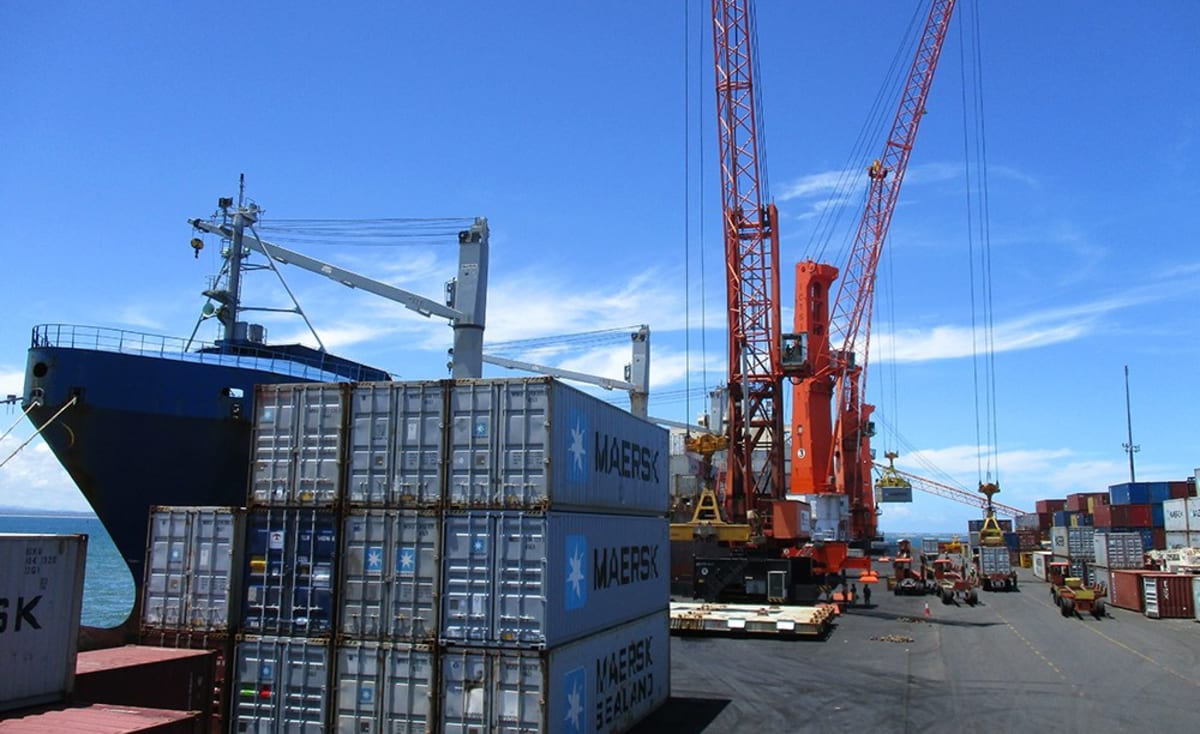
Kenya Ships First Zero-Tariff Exports to China
Kenya just sent its first shipment of goods to China without paying a single tariff, opening doors to 1.4 billion potential customers. Fresh avocados, coffee, and green beans are now heading east under a groundbreaking trade agreement that could reshape African commerce.
Kenyan farmers and businesses just gained tariff-free access to the world's second-largest economy, and the first shipment is already on its way.
On Monday, Kenya sent fresh avocados, avocado oil, coffee, green beans, and leather goods to China under a new zero-tariff agreement. The policy removes taxes on 100 percent of goods from 53 African countries, giving Kenyan exporters a chance to compete in a market of more than 1.4 billion consumers.
Deputy President Kithure Kindiki and Chinese Vice President Han Zheng flagged off the historic shipment at Nairobi's railway terminus. Kindiki encouraged Kenyan businesses to seize the moment and scale up their exports to China.
The agreement addresses a longstanding challenge for Kenya. For years, the country has imported far more from China than it exports, creating a trade imbalance that drains resources. Now, Kenyan farmers and manufacturers can sell their products without the burden of import taxes that previously made their goods more expensive and less competitive.
The government plans to use this framework to support value addition, meaning Kenyan businesses can process raw materials locally before export. That creates jobs at home while increasing the value of what Kenya sells abroad.
The Ripple Effect
This tariff elimination extends beyond Kenya's borders. All 53 participating African nations now have preferential access to Chinese markets, potentially transforming continental trade dynamics. When small-scale coffee farmers in Kenya can sell directly to Chinese consumers without tax penalties, they keep more profit and can invest in their farms and communities.
The move also signals growing South-South cooperation, where developing nations build economic partnerships that don't rely solely on traditional Western markets. For Kenya specifically, agricultural exports like avocados and green beans represent sectors where small and medium-sized businesses can thrive.
Chinese and Kenyan officials attended the ceremony together, highlighting the diplomatic and economic partnership behind the agreement. Trade Cabinet Secretary Lee Kinyanjui and other senior leaders from both nations witnessed the departure of goods that represent more than just commerce. They represent possibility.
Kenyan exporters now face the exciting challenge of meeting demand from the world's most populous nation while maintaining the quality that makes their products competitive.
Based on reporting by AllAfrica - Headlines
This story was written by BrightWire based on verified news reports.
Spread the positivity!
Share this good news with someone who needs it