Kenya Unlocks $15M to Compensate Protest Victims
Kenya has allocated two billion shillings (about $15 million) to compensate victims of protests and human rights violations from 2017 to 2024. Over 1,200 people have already been identified for support, with a comprehensive framework offering medical care, counseling, and official recognition beyond just financial payments.
Survivors of protests and human rights violations in Kenya are finally getting the support they deserve, thanks to a groundbreaking compensation program backed by $15 million in government funding.
President William Ruto signed the supplementary budget releasing two billion shillings for victims who suffered between 2017 and 2024. The Kenya National Commission on Human Rights (KNCHR) will coordinate the effort, ensuring every person is properly identified and helped.
So far, 1,224 victims have been verified and are moving through the approval process. The commission is calling on more survivors to come forward with medical reports, witness statements, and other documentation to join the program.
The initiative grew from a December 2025 court ruling that affirmed KNCHR's constitutional duty to create a national reparations framework. A presidential proclamation in March 2026 gave the commission 60 days to develop the comprehensive plan now taking shape.
What makes this program special is its holistic approach to healing. Financial compensation is just one piece of a broader support system designed to help victims rebuild their lives.
The Ripple Effect
The framework goes far beyond writing checks. Survivors will receive psychosocial counseling and medical treatment to address trauma and physical injuries that may have gone untreated for years.
The plan also includes official government acknowledgment of violations, public apologies, and memorials honoring those who suffered. These symbolic acts carry profound meaning for families who felt ignored or dismissed.
Perhaps most importantly, the framework proposes institutional reforms to prevent future abuses. By addressing root causes, Kenya aims to break cycles of violence and protect citizens going forward.
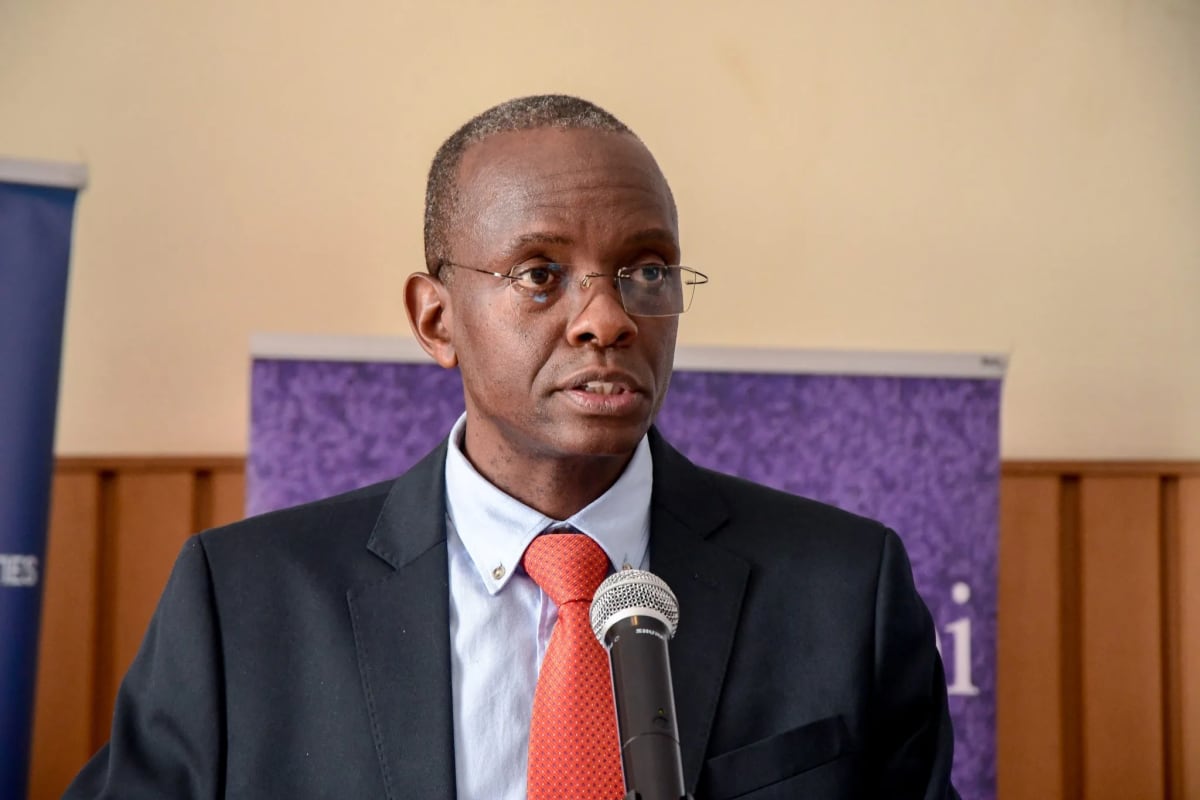
KNCHR Chairperson Claris Ongagah emphasized that proper documentation helps ensure fairness and transparency. Victims can submit claims by text message to 22359, email, phone hotline, or in person at commission offices across nine regions including Nairobi, Mombasa, Kisumu, and others.
The process represents true partnership between political rivals, as the compensation commitment came from an agreement between the United Democratic Alliance and the Orange Democratic Movement. When parties work together for citizens rather than against each other, real progress becomes possible.
Kenya's approach could serve as a model for other nations wrestling with how to address past injustices while moving forward together.
More Images


Based on reporting by AllAfrica - Headlines
This story was written by BrightWire based on verified news reports.
Spread the positivity!
Share this good news with someone who needs it