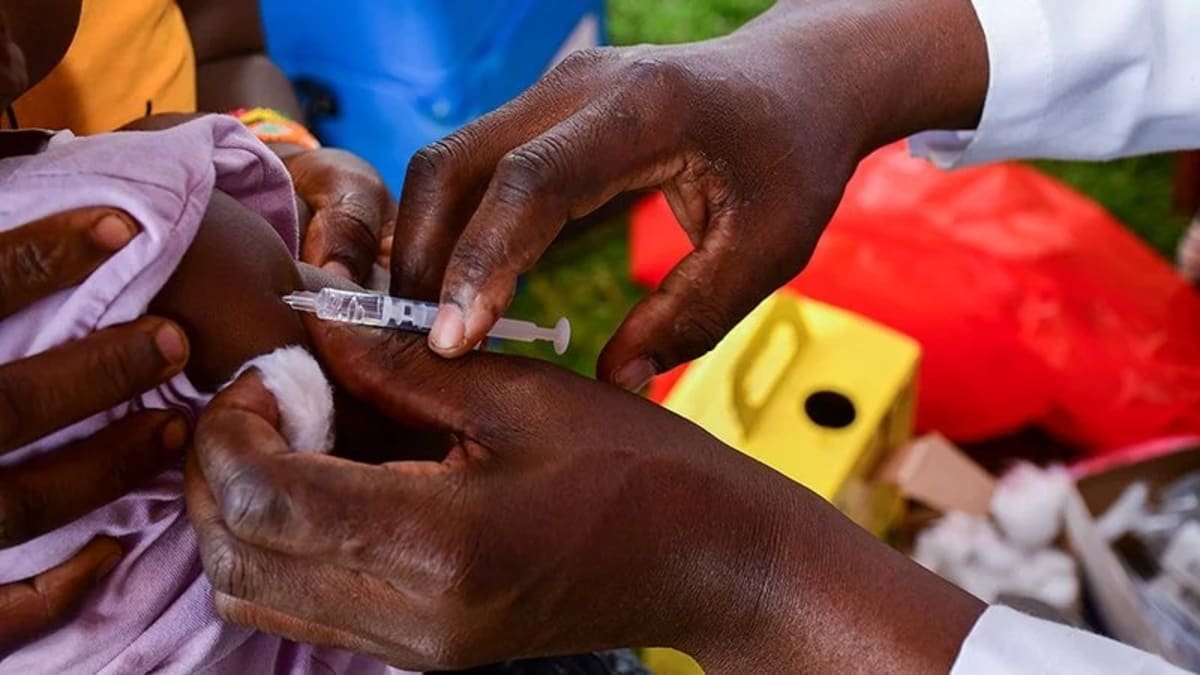
Kenya Vaccinates 473K Girls Against Cancer in 6 Months
Kenya nearly doubled its HPV vaccination rate in 2026, protecting hundreds of thousands of adolescent girls from cervical cancer. The success story shows what's possible when governments invest in prevention programs that save lives.
Nearly half a million Kenyan girls just received protection against the country's leading cancer killer, marking a remarkable turnaround in public health prevention.
Between January and June 2026, Kenya vaccinated 472,845 adolescent girls against the Human Papillomavirus (HPV), an 80 percent jump from the same period in 2025. The campaign brought first-dose coverage to 69 percent of eligible girls across the country.
The achievement matters because cervical cancer remains the leading cause of cancer deaths among Kenyan women. HPV vaccination during adolescence prevents most cases of this disease, making it one of the most powerful cancer prevention tools available.
The rapid expansion happened through a partnership between Kenya's Ministry of Health, UNICEF, and the World Health Organization. The collaboration shows what coordinated effort can accomplish when backed by consistent funding and political commitment.
Kenya's broader immunization picture also looks promising. About 88 percent of Kenyan children completed their three-dose vaccine series for diphtheria, tetanus and pertussis in 2025, putting the country within reach of the 90 percent global target.
The Ripple Effect
Kenya's success arrives at a crucial moment for global health. Worldwide vaccination efforts are still recovering from COVID-19 disruptions, with coverage below pre-pandemic levels in many countries.
The Kenyan model demonstrates that ambitious national campaigns can work even in challenging environments. Community outreach, reliable vaccine supplies, and strong health information systems made the difference.
Shaheen Nilofer, UNICEF Representative to Kenya, noted that immunization remains every child's right. The HPV expansion proves that when governments prioritize prevention, remarkable progress follows quickly.
The country does face one persistent challenge: reaching about 135,000 infants who receive zero routine vaccines during their first year. Health officials are working to extend their successful outreach strategies to these underserved communities.
As international health funding faces pressure worldwide, Kenya's vaccination wins offer a blueprint for other nations. The results prove that investing in prevention today protects entire generations tomorrow.
More Images

Based on reporting by Google News - Vaccine Success
This story was written by BrightWire based on verified news reports.
Spread the positivity!
Share this good news with someone who needs it