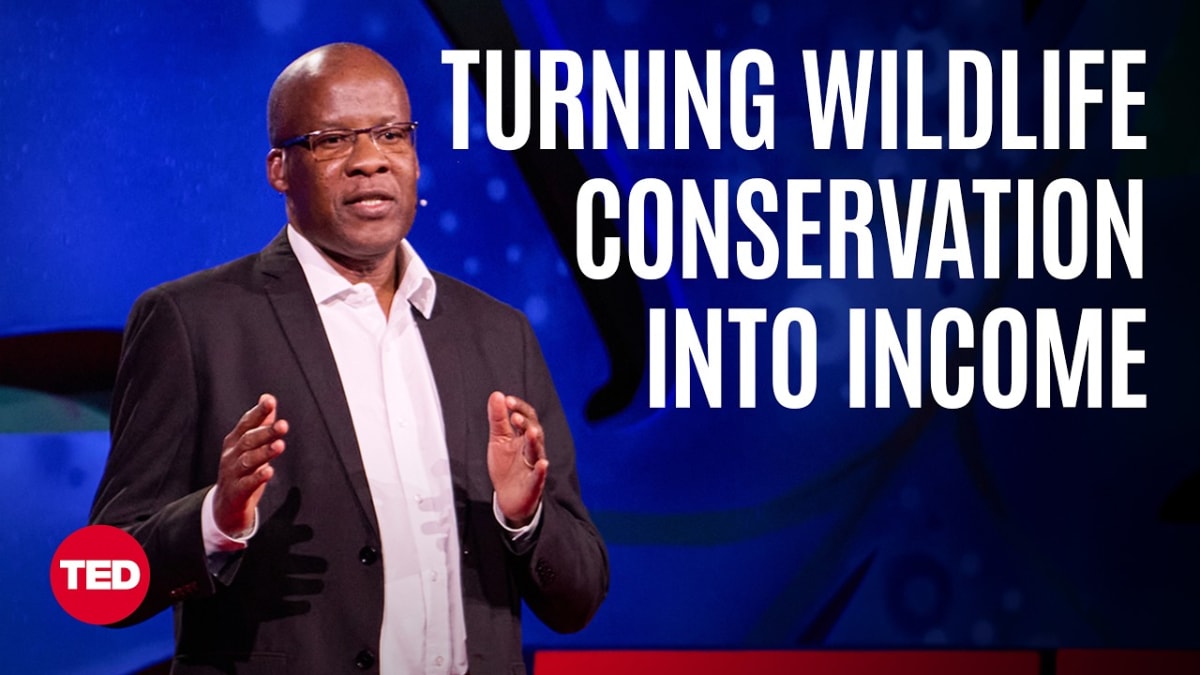
Kenyan Conservationist's Plan to Bring Lions Home
A man who once fell asleep to lions roaring outside his village is working to bring them back by making wildlife conservation profitable for local communities. His approach is turning decades of failed conservation efforts on their head.
Seif Hamisi grew up falling asleep to the sound of lions prowling near his village in rural Kenya. Today, those roars have fallen silent, and he's determined to bring them back.
The lions didn't just disappear from his village. Across Africa, wildlife populations have crashed in recent decades, despite billions of dollars poured into protection efforts. Something clearly isn't working.
Hamisi, now a conservationist, believes we've been solving the wrong problem. Traditional conservation treats wildlife protection as separate from the people who live alongside these animals. That approach has failed communities and animals alike.
His solution draws from successful projects across Africa, from South African grasslands to Kenyan woodlands. The key insight? Conservation works when it makes economic sense for local communities.
When villagers benefit financially from having lions as neighbors, they become the fiercest protectors of wildlife. When conservation costs them crops, livestock, and livelihoods without giving back, animals lose.
The Ripple Effect
This economics-first approach is already transforming conservation across the continent. Communities that once saw wildlife as a threat now view animals as valuable partners in their prosperity.
The shift creates jobs, brings tourism revenue directly to villages, and gives locals a stake in protecting the very animals they once feared. Young people who might have left for cities now see a future at home.
When conservation becomes profitable, poaching decreases, habitat protection increases, and animal populations rebound. The benefits flow in all directions.
Hamisi's vision goes beyond just bringing back lions. He's building a model where humans and wildlife thrive together, proving that we don't have to choose between people and nature when we design systems that work for both.
The roar of lions might return to his village yet, welcomed back by communities who see them not as threats but as partners in a shared, prosperous future.
Based on reporting by TED
This story was written by BrightWire based on verified news reports.
Spread the positivity!
Share this good news with someone who needs it