Kenyan Dairy Co-ops Show Namibia Path to Rural Prosperity
Namibian farmers visiting Kenya discovered that households with just two cows can escape poverty through cooperative farming and value addition. The simple zero-grazing system could transform Namibia's approach to rural development.
A dairy cow standing in a small Kenyan shed might just solve Namibia's rural poverty crisis.
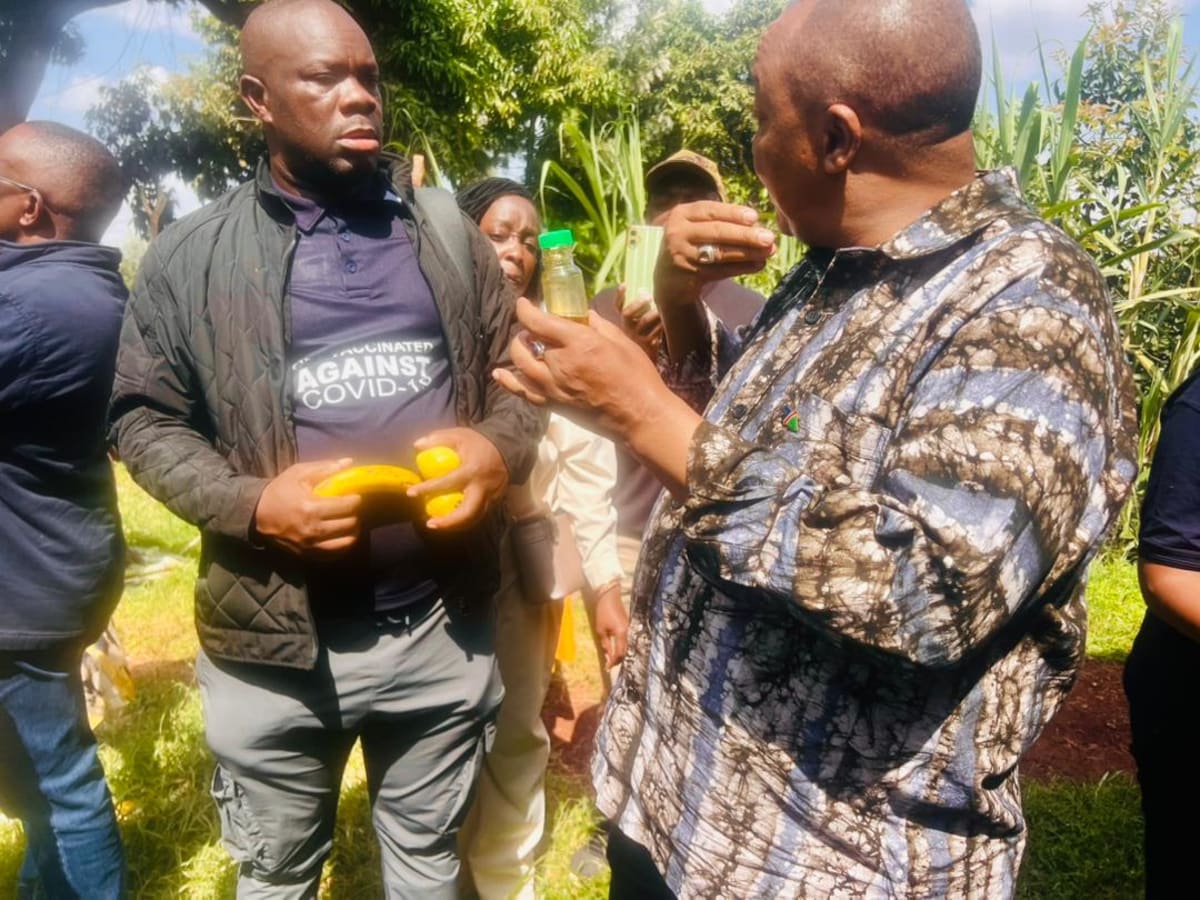
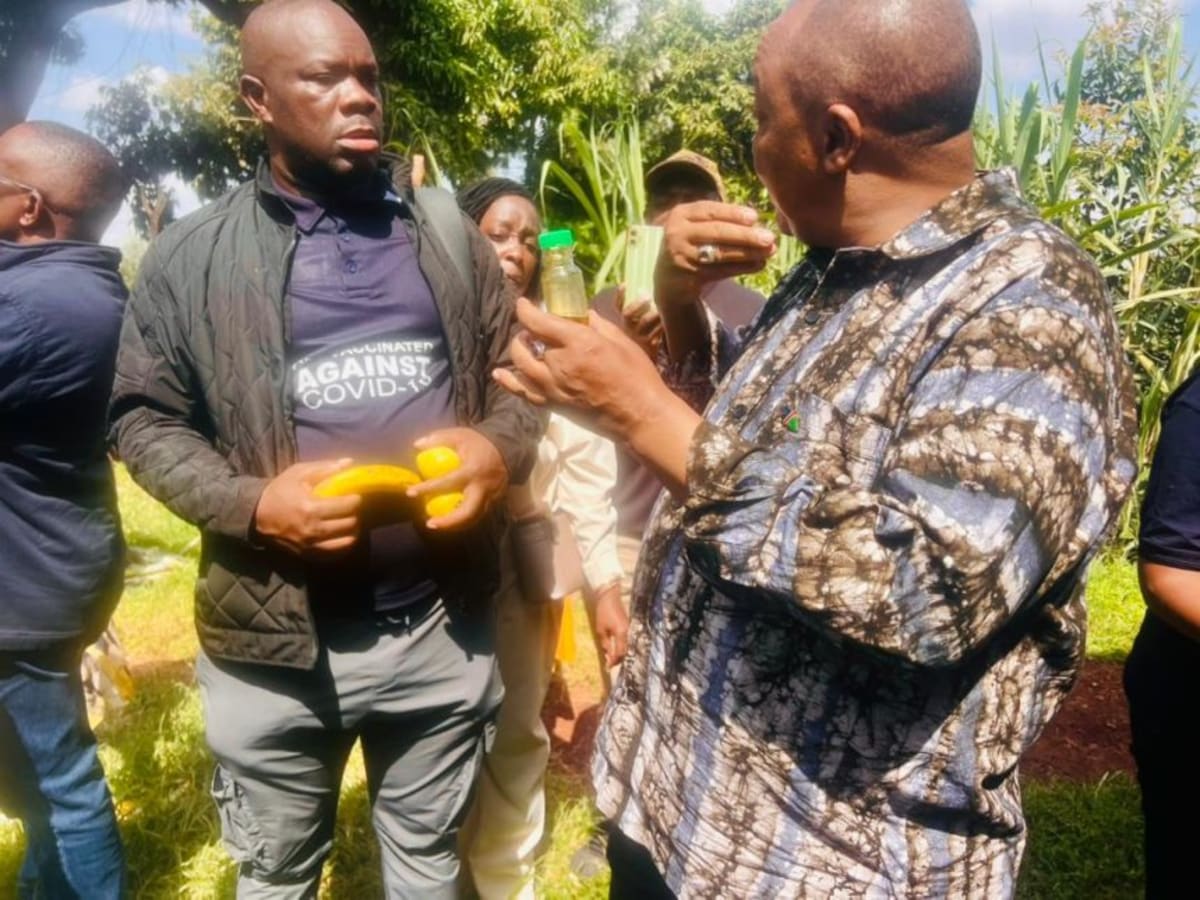
That's the hope Namibian farmers and agricultural leaders brought home after visiting a mixed farm in Gidunguri, outside Nairobi, last week. The delegation, including Agribank's acting CEO Abel Akayombokwa and Kalahari Holdings CEO Etuna Nashima, saw firsthand how ordinary families build sustainable businesses with minimal resources.
The game changer is Kenya's zero-grazing dairy system. Cows stay in one place and eat crops grown on the same farm, eliminating the need for large herds and vast grazing land.
"With this model, every household just needs to have two or three cows," Akayombokwa said. "It's enough for them to generate a sustainable way of living."
The group toured farmer Susan Nungari's property, where she runs a mixed operation combining dairy cows, avocados, bananas, maize, beans, coffee, rabbits and poultry. Farmers collect milk from their small herds and take it to cooperative dairy collection centers for sale.
But Kenyan farmers don't stop at raw milk. They process it into cheese and yogurt, fetching higher prices and creating export opportunities.
The delegation also watched local women manually produce avocado oil as an alternative to expensive supermarket cooking oil. Nungari explained she turned to value addition after receiving poor prices from brokers.
Namibia's honorary consul to Kenya, Mwangi Ali, emphasized another crucial element: cooperation itself. Individual Namibian farmers struggle to profit without large herds, but the Kenyan cooperative model changes the economics entirely.
The Ripple Effect
The lessons extend beyond dairy. Nashima highlighted how Kenyan farmers immediately use livestock manure to create compost, enriching soil naturally for crops.
"I would like to implement the same system back home so that our farmers can be self-sustained and generate more income both from livestock and crops," he said. The integrated approach means families don't depend on a single income source.
Akayombokwa noted that Namibia's challenge is cultural as much as practical. "One thing about our challenge in Namibia is that people want to work individually," he said. "What we learned here is that cooperation makes a country move forward."
The Agribank executive also emphasized the need for locally designed livestock insurance systems to protect drought-prone regions. Combined with cooperatives and value addition, small-scale farming could become truly inclusive.
Even Nungari, who faces serious theft problems and financial challenges on her inherited family farm, demonstrates that the model sustains families when supported properly. Her mixed farm remains the backbone of her family's survival.
The Namibian delegation returned home convinced that agriculture can be done by everybody, not just those with massive herds and capital.
More Images

Based on reporting by Google News - Cooperation Success
This story was written by BrightWire based on verified news reports.
Spread the positivity!
Share this good news with someone who needs it