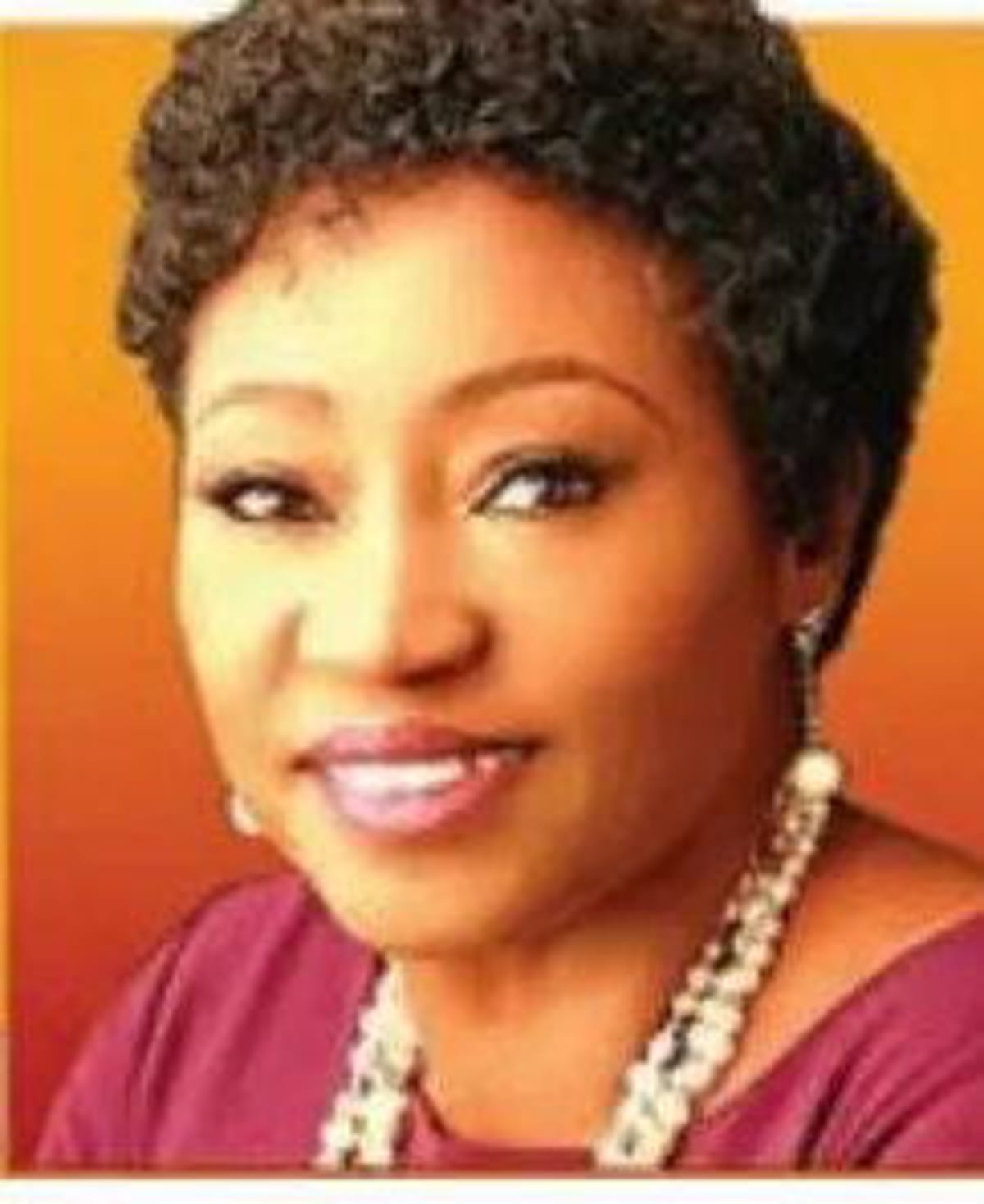
Kenyan Lawyer Exposes How Internet Design Silences Women
Tech lawyer Irene Mwendwa is documenting how social media algorithms punish women leaders while rewarding men for identical behavior. Her research reveals why platforms profit from harassment while women pay the price.
A tech lawyer from Kenya is proving that the internet itself is designed to silence half the world's voices.
Irene Mwendwa grew up in Machakos, a Kenyan village whose name means "flowers." Today, she works in Nairobi documenting a disturbing pattern: social media platforms reward men for charisma while punishing women for the exact same behavior.
The data backs her up. Despite promises that digital tools would level the playing field, women's representation in cabinet-level positions actually dropped from 23.3% in 2024 to 22.9% in 2025. Only 27 countries worldwide now have women leading them.
Mwendwa wasn't surprised. She's been studying why for years.
"The standard is a white male standard," Mwendwa explains. "The internet was built in English. The algorithms that decide what content gets seen reflect that origin."
She calls it digital political culture. When memes circulate about male leaders, voters see charisma. When identical content targets women leaders, it destroys careers.
The consequences can be deadly. Mwendwa points to Marielle Franco, a Brazilian councilwoman who faced coordinated online attacks before being murdered in 2018. Most of her attackers were never caught and continue harassing other women online today.
The economics are straightforward. Platforms profit from polarization because harassment generates clicks. A coordinated attack on a woman leader creates high-velocity engagement that translates directly into advertising revenue.
Research from UNESCO shows that 73% of women in high-visibility roles face online violence. Many simply disconnect rather than fight back.
Even verified accounts don't provide protection. Mwendwa's research shows platforms exclude certain categories of people from safety features, and women who defend themselves online face additional punishment.
When diversity programs were rolled back at major tech companies, the problem worsened. "The people who were fighting for us in some of these companies are no longer there," Mwendwa says.
Without African women building technology, the resulting products ignore or actively harm half the population. The gender gap in mobile internet usage across Sub-Saharan Africa reflects this structural failure.
Why This Inspires
Mwendwa isn't just documenting the problem. She's building the case that internet design is a women's rights issue, creating evidence that could force platforms to change their algorithms and protect women leaders instead of profiting from their harassment.
Her work matters because it names what many women have felt but couldn't prove: something is structurally off. By measuring how algorithms reward and punish different groups, she's creating a roadmap for building technology that serves everyone, not just those who designed it.
Women like Mwendwa are ensuring that the next generation of internet won't be built on the same broken foundation.
Based on reporting by TechCabal
This story was written by BrightWire based on verified news reports.
Spread the positivity!
Share this good news with someone who needs it