Kenyan Shop Owner Cuts Fees 96% by Accepting Bitcoin
A Kenyan shopkeeper is saving money on transaction fees by accepting Bitcoin payments, joining a growing movement of African merchants embracing cryptocurrency to reduce costs. While some businesses convert crypto immediately to local currency, others are building entirely new payment ecosystems.
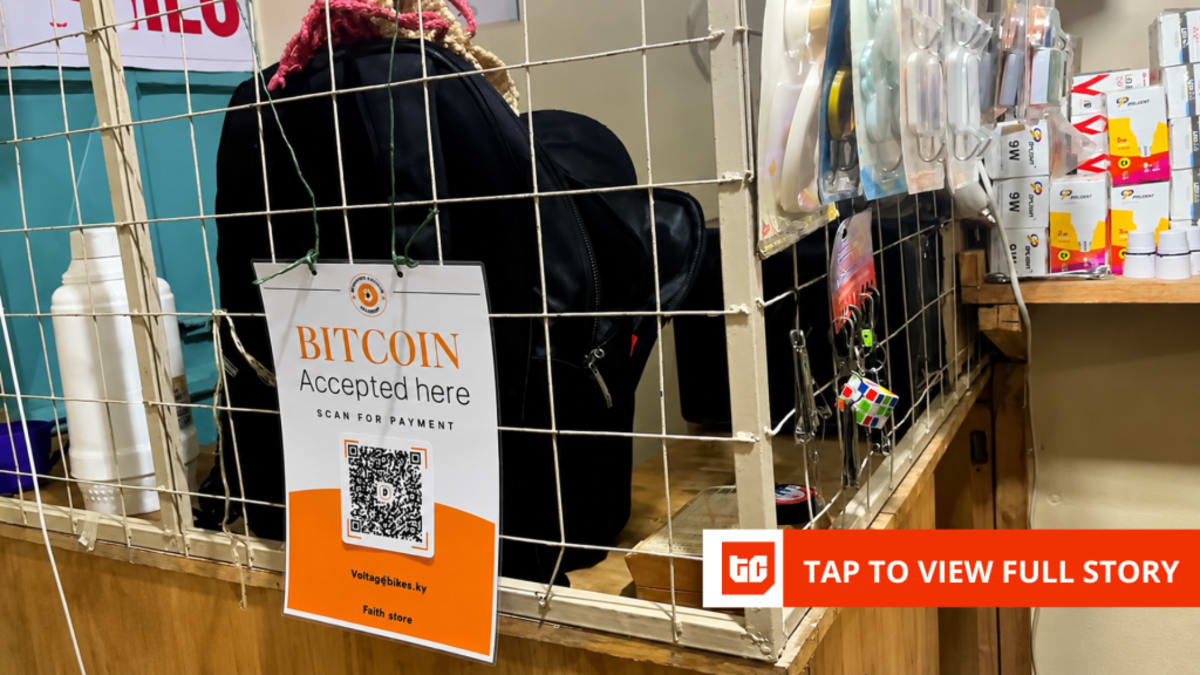
Faith Mbinya stands in her household goods shop in Juja, Kenya, where an orange and white banner announces something unusual: "Bitcoin accepted here." Every month, four or five customers pay for toilet brushes, dustbins, and cookware with cryptocurrency instead of cash.
Mbinya started accepting Bitcoin in November 2025 after a friend showed her how much she could save. Processing 100 small transactions through traditional mobile money platforms like M-PESA costs her $26.92 in fees, but the same volume through the Fedi cryptocurrency network costs just 21 cents.
"I accept Bitcoin because it reduces the transaction cost, which is a very major problem when we go to our Kenyan local banks or local M-PESA," Mbinya told TechCabal. Most of her customers still pay in Kenyan shillings, but the handful who use Bitcoin are mostly young people under 35 already familiar with the technology.
One customer recently spent $46 in Bitcoin on household goods. Mbinya doesn't just accept the cryptocurrency as payment, she holds onto it, absorbing the risk that its value might change.
Across the continent in Lagos, Nigeria, restaurants and other businesses are taking a different approach. Trib3 Lagos accepts Bitcoin and other cryptocurrencies, but converts every payment to Nigerian naira immediately through payment processors.
"We are an all-inclusive restaurant, catering to mostly those in the formal sector, and quite a number of Nigerians, mostly young people who deal in crypto, want to pay with that," said Franklyn Obinna, the restaurant's business development manager. The restaurant pays suppliers and taxes in local currency, so holding cryptocurrency doesn't make sense for their business model.
The Ripple Effect
New startups are building infrastructure that lets customers spend their digital assets while merchants receive traditional currency. Companies like CoinCircuit and Mular act as bridges, instantly converting cryptocurrency payments into local money so businesses can operate normally while still offering payment flexibility.
The approach solves a problem that has plagued cryptocurrency adoption for years. Merchants want to serve customers who hold digital assets, but most can't afford to deal with price swings or rebuild their accounting systems around new currencies.
By meeting merchants where they are, these payment systems are quietly turning cryptocurrency from a speculative investment into a practical tool for everyday commerce.
For Mbinya, the math is simple: saving $26 on every 100 transactions means more money stays in her shop, helping her small business thrive in an economy where every shilling counts.
More Images

Based on reporting by TechCabal
This story was written by BrightWire based on verified news reports.
Spread the positivity!
Share this good news with someone who needs it