Kenyan Women Turn Kibera's Waste Into Food and Hope
In Nairobi's largest informal settlement, environmental activist Malasen Hamida is leading women to transform garbage-filled streets into thriving gardens that feed entire families. Through smart farming techniques, they're reclaiming both their land and their future.
Malasen Hamida still remembers when Kibera was green, when fruit trees lined the streets and families grew their own herbs and vegetables in a peaceful village outside Nairobi.
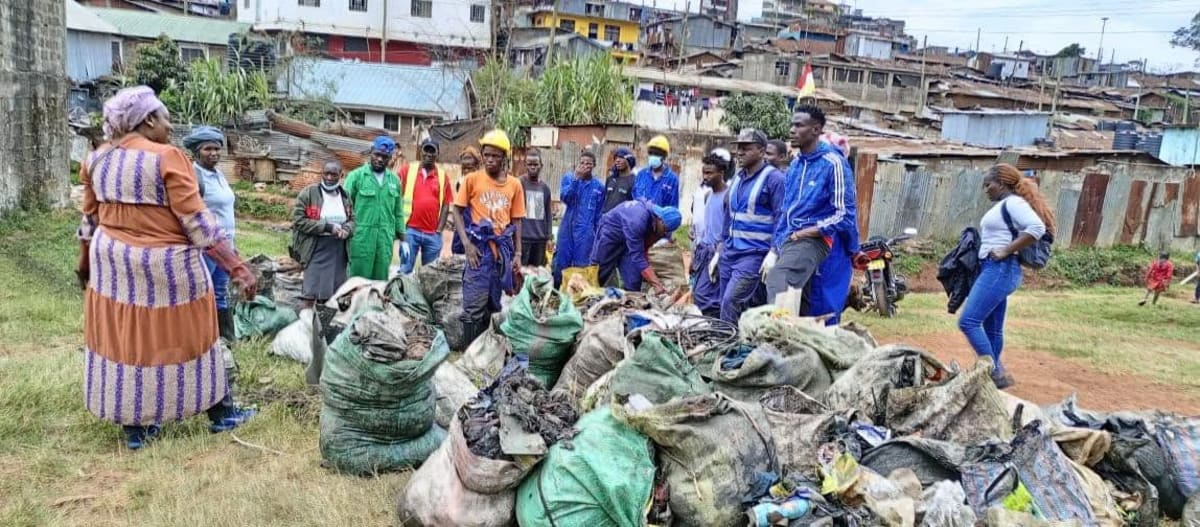
Today, she's bringing that vision back to life, one garden at a time. Through the Mazingira Women Initiative she founded, Hamida has spent 25 years organizing women in Kenya's largest informal settlement to tackle waste management and create food from what others throw away.
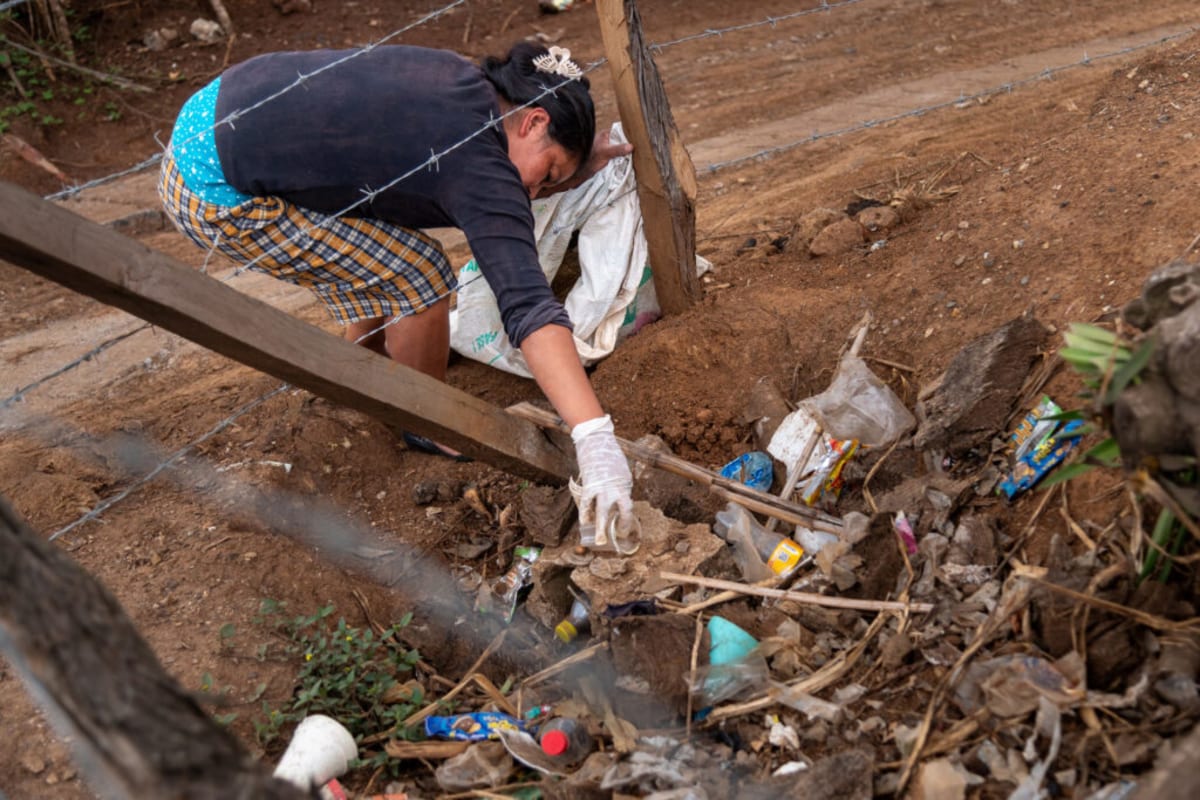
The transformation started simply. Hamida mobilized women to clean streets and drainage systems that had become choked with trash. But she didn't stop at cleanup drives.
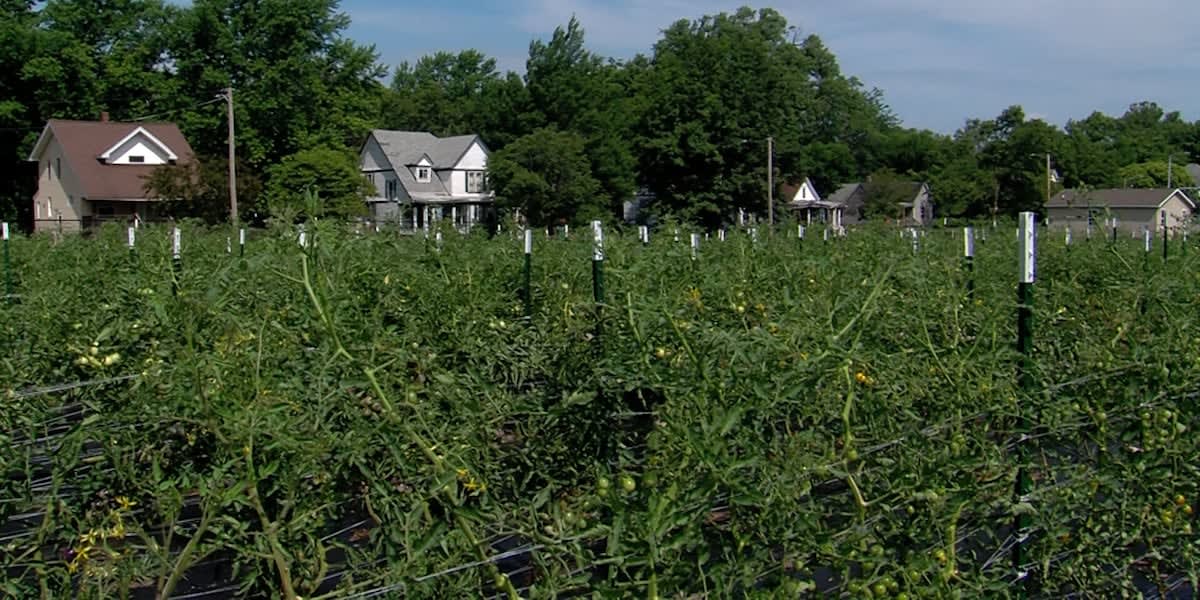
She introduced smart farming techniques like hydroponics and vertical gardening that turn waste into resources for kitchen gardens. Now women across Kibera grow enough food to feed their families and sell the surplus for income.
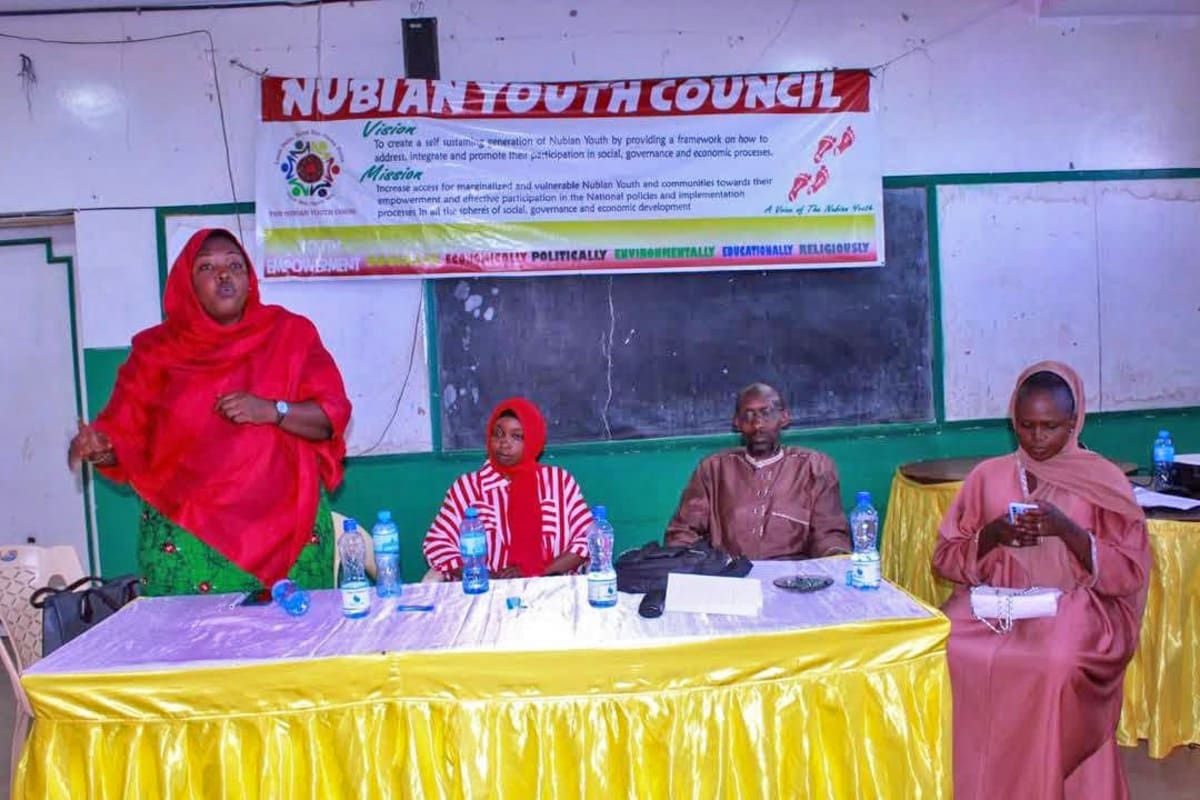
The work carries special meaning for Hamida's Nubian community, whose ancestors served as soldiers in the King's African Rifles and were given land by the British colonial government. That original 4,197 acres has shrunk to just 288 acres today through land-grabbing and forced evictions, with no compensation ever offered.
"If an environmental issue becomes a priority for a woman, she will ensure it works because she knows it is not for her alone," Hamida explains. "It is for the long term well-being of the whole family."
Her strategy of centering women's leadership has proven powerful. The initiative doesn't just address environmental challenges but tackles land rights and displacement issues that have plagued minority communities in Kenya for generations.
The Ripple Effect
What began as street cleaning has grown into a movement reshaping how Kibera residents see their own potential. Women who once struggled to feed their families now run small businesses selling surplus produce from gardens that didn't exist a few years ago.
The initiative proves that environmental solutions and economic empowerment can grow from the same soil. Clean streets became gardens, gardens became food security, and food security became hope for families who had been pushed to the margins.
Hamida, a three-time parliamentary candidate who plans to run again in 2027, walks through Kibera greeting neighbors who stop to thank her. The area around her compound stands noticeably clean, with no stagnant water or litter in sight.
From a community that once faced suspicion and systematic exclusion, Hamida and the women of Mazingira are writing a new story about belonging, one green space at a time.
More Images


Based on reporting by Mongabay
This story was written by BrightWire based on verified news reports.
Spread the positivity!
Share this good news with someone who needs it