Kenya's Electric Buses Spark EV Charging Network Boom
Electric buses are solving Kenya's chicken-and-egg EV problem by building charging stations that work for everyone. A major fuel company just partnered with an electric bus provider to open fast-charging stations across the country.
📺 Watch the full story above
Kenya is quietly cracking the code on electric vehicle infrastructure, and the solution starts with buses, not cars.
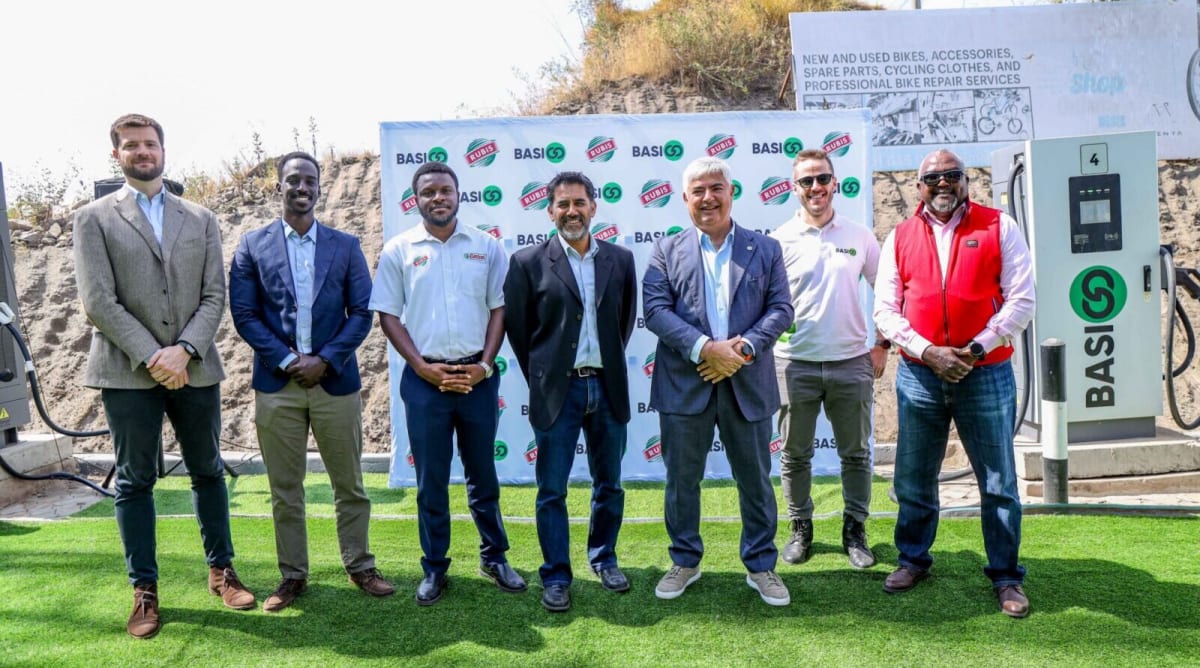
BasiGo, an electric bus company, just partnered with Rubis Energy Kenya to build fast-charging stations along major transport routes. The first station opened last month in Athi River, with four more launching across Meru, Nanyuki, and Nyeri this month.
Here's why this matters. Kenya has struggled with EV adoption because nobody wants to buy an electric car without charging stations, and nobody wants to build charging stations without electric cars. It's the classic chicken-and-egg problem.
Electric buses solved it. BasiGo offers a pay-as-you-drive program where transport operators buy the bus at diesel prices, then pay a subscription that covers the battery, charging, maintenance, and roadside help. This model has created Kenya's first reliable fleet of electric vehicles.
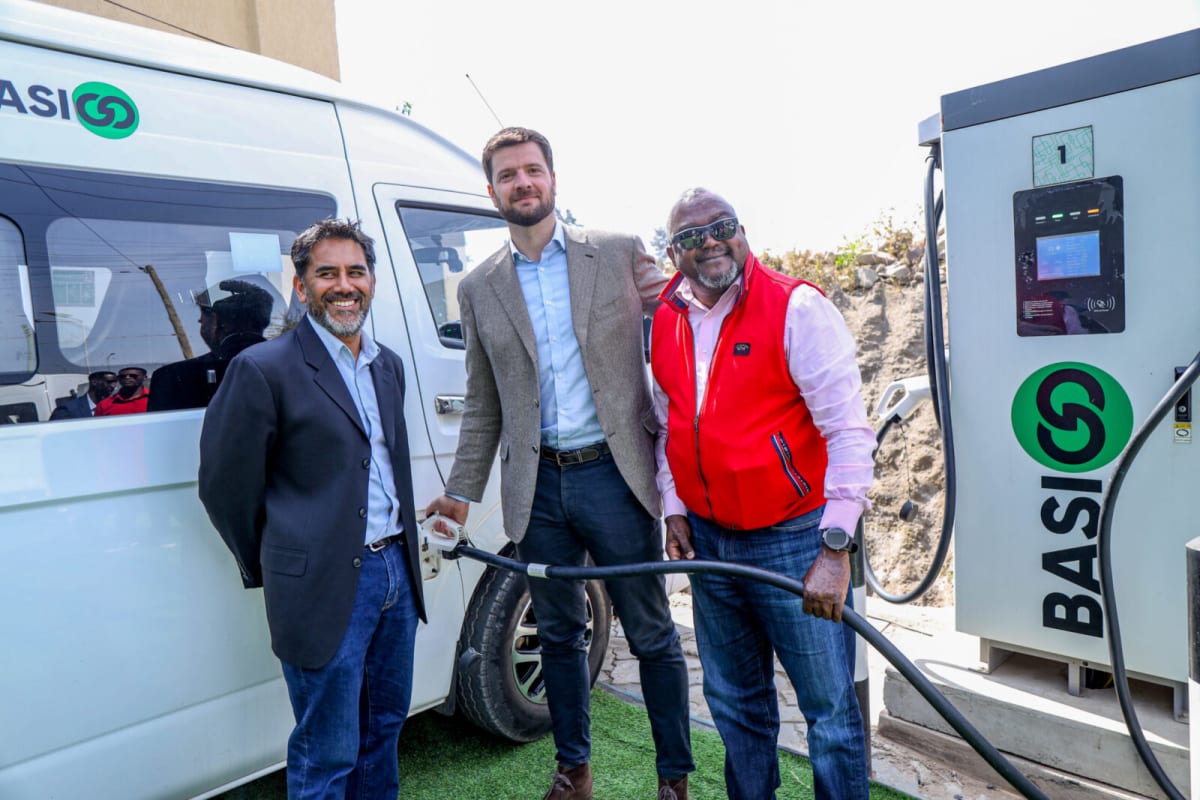
Now those bus charging stations are opening to the public. Anyone with an electric car, van, or truck can use them. The Athi River station has fast chargers that can power up a passenger car in under an hour, serving both European and Chinese vehicle standards.
The pricing sits at 48 Kenyan shillings per kilowatt-hour across all stations. That consistency matters for drivers planning long trips between cities.
Rubis brings serious scale to this partnership. The fuel company operates over 300 stations across Kenya and throughout East and Southern Africa. BasiGo already runs one of the largest DC fast-charging networks in East Africa.
The Ripple Effect
This partnership signals something bigger than a few charging stations. Traditional fuel companies are recognizing that the energy transition is coming, and they want to lead it rather than resist it.
Moses Nderitu from BasiGo put it simply: "The question is no longer whether operators and the public want to go electric, but whether the infrastructure is in place to support them at scale."
For Kenyan drivers who've hesitated on electric vehicles because of range anxiety, that infrastructure is finally arriving. What started as a solution for bus fleets is becoming the foundation for widespread electric mobility across the country.
The partners plan to expand charging sites across Kenya and neighboring countries, turning transport corridors electric one station at a time.
More Images

Based on reporting by CleanTechnica
This story was written by BrightWire based on verified news reports.
Spread the positivity!
Share this good news with someone who needs it