Kenya's First Female Elephant Keeper Reshapes Conservation
Dorothy Lowakutuk became one of Africa's first female elephant keepers at Reteti, the continent's first Indigenous-owned elephant sanctuary. Her journey from fearing forced marriage to leading wildlife conservation shows how empowering local communities transforms both people and nature.
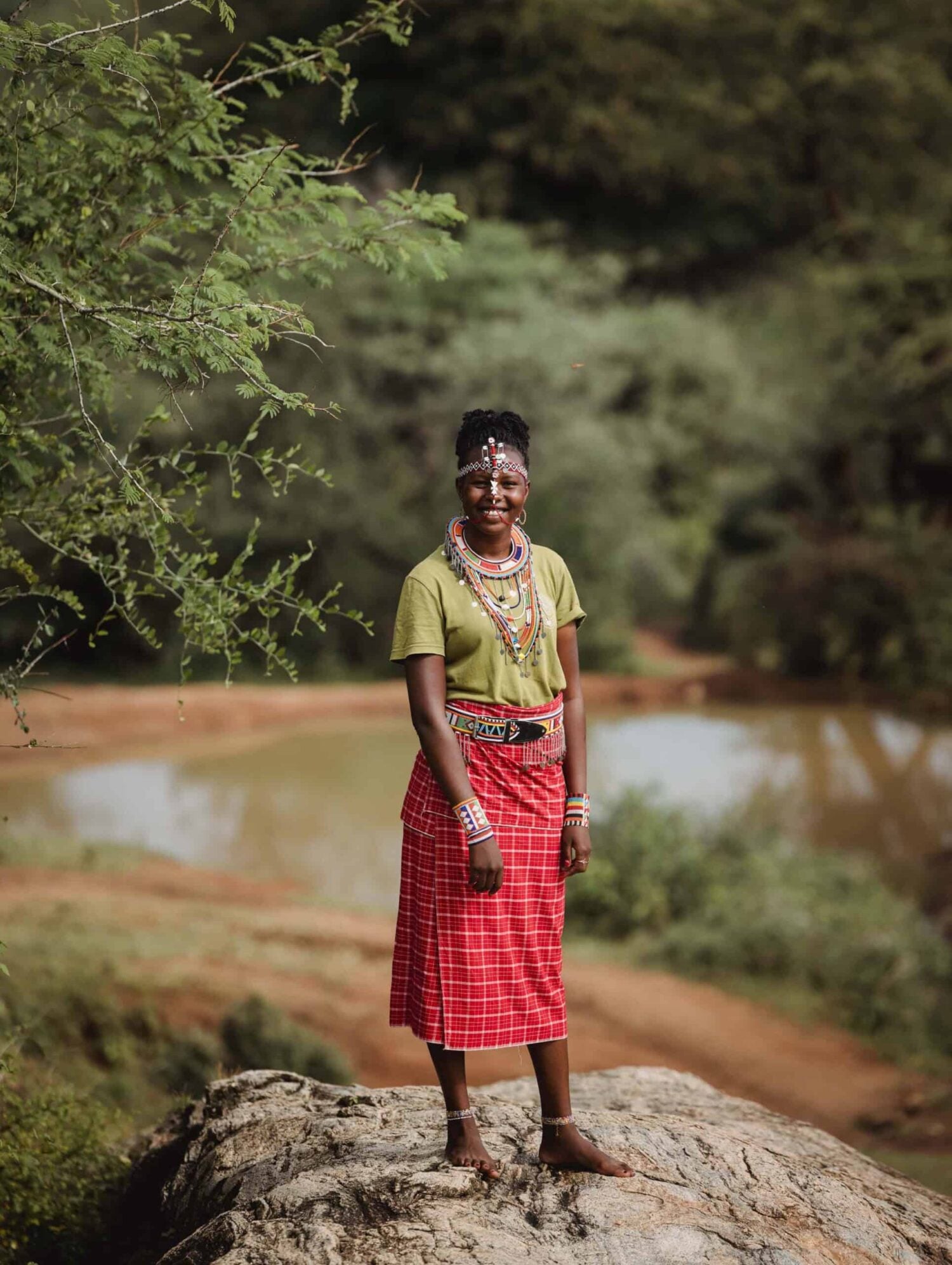
When baby elephant Nemparwai arrived at Kenya's Reteti sanctuary with swollen eyes and bruises from falling into a well, keeper Dorothy Lowakutuk spent two sleepless nights singing to her until the frightened calf finally drank milk from her cupped hands.
That rescue captured everything Reteti represents. As Africa's first Indigenous-owned elephant sanctuary, it's proving that the future of wildlife depends on empowering the people who share the land.
For centuries, the Samburu people have herded cattle across northern Kenya's communal rangelands, moving with the seasons. Women's voices have traditionally been stifled in this patriarchal culture, where arranged marriages and limited opportunities were the norm.
Lowakutuk knew early she wanted something different. After her father died when she was six, his first wife claimed the family livestock, leaving her mother Lipiyian to support five children alone.
"I knew I didn't want to get married, because I had seen other women suffering," says Lowakutuk. "I wanted my own job, and I really wanted to rescue my mum."
Instead of moving to Nairobi, she studied community development and returned home. In 2016, she landed the keeper job at newly founded Reteti, run by Samburu elders working with conservationist Katie Rowe.
The sanctuary's board is 90% local community members who decide how it operates and how tourism revenue flows. Forty percent covers costs, while 60% funds community projects.
Lowakutuk started in the kitchens preparing 700 liters of daily milk for orphaned calves. Now she leads bush walks and sleeps beside sick elephants, preparing them for release back into the wild.
"It's like letting go of your own child," says the mother of five-year-old Marjorie. "For us, it is success, but it's never easy."
The Ripple Effect
Last year, Reteti returned 13 young elephants to the rangelands. Since opening, dozens have been released, monitored by GPS collars as they rejoin wild herds.
The sanctuary employs 46 staff members, most from local communities. For Lowakutuk, the work taught her unexpected lessons about leadership from the elephants themselves.
"They made me understand how I should lead: not by intimidating, and not by fighting," she says. "Leadership has to grow from inside you, and then you're chosen by your good deeds."
Today, Lowakutuk helps other Samburu women gain independence and income through conservation work. The model is spreading as communities across Kenya recognize that protecting wildlife can create opportunities while honoring traditional knowledge.
What started with one woman determined to chart her own path has become a movement proving that conservation works best when communities lead it.
More Images


Based on reporting by Positive News
This story was written by BrightWire based on verified news reports.
Turn Today’s Good News Into Action
Generate a simple, meaningful 2-minute act of kindness you can do today and log your ripple effect.
Spread the positivity!
Share this good news with someone who needs it