Kenya's M-Pesa Hides Phone Numbers to Stop Fraud
Kenya just approved a major privacy upgrade that could protect 37 million people from scammers. M-Pesa will now mask phone numbers during transactions, blocking fraudsters who've been stealing this data to drain bank accounts.
Starting now, sending money in Kenya just got a whole lot safer for millions of people who rely on mobile payments every single day.
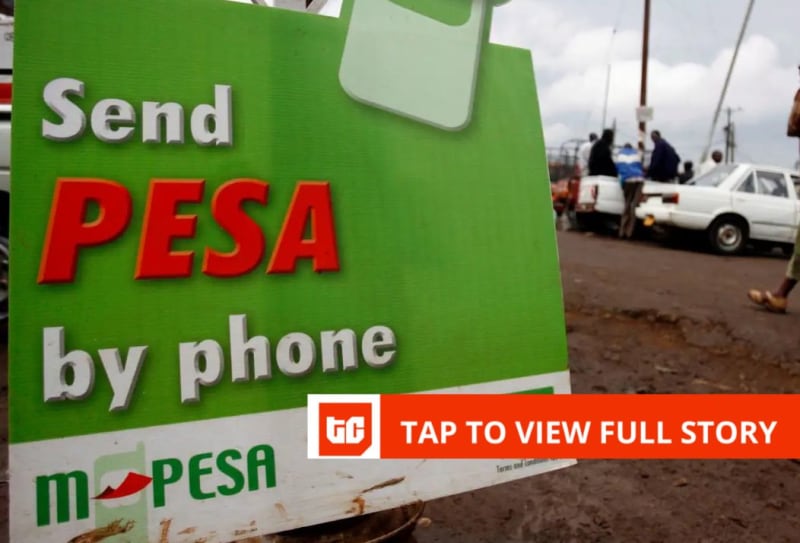
Kenya's Central Bank approved a game-changing privacy feature for M-Pesa, the mobile money platform used by over 37 million Kenyans. Phone numbers will now be hidden during peer-to-peer transfers and merchant payments, cutting off a key tool scammers have been using to steal money from innocent people.
For nearly two decades, every M-Pesa transaction left users vulnerable. Each time someone paid for groceries, fuel, or a taxi ride, their phone number appeared in the merchant's notification. That number could be saved, shared, or sold to criminals running sophisticated fraud operations.
The consequences have been devastating. In 2025 alone, police arrested six scammers in Mombasa who spent over $3,875 on fake ID apps to impersonate bank representatives. They harvested phone numbers from real transactions, then called victims pretending to be customer service agents and tricked them into sharing PINs and passwords.
SIM-swap fraud became especially vicious. Scammers bribed or tricked telecom agents into transferring victim's numbers to new SIM cards. Within minutes, they locked out the real owner, reset banking PINs, and drained entire accounts.
Under the new system, phone numbers will be partially masked automatically. Recipients can request the full number, but senders have the power to decline. Merchants buying goods or receiving bill payments won't see full names or phone numbers at all, dramatically reducing the personal information floating around.
The Ripple Effect
This change protects far more than just money. For millions of Kenyans in a mobile-first economy, a phone number serves as their bank username, their business contact, and their financial identity all rolled into one. Losing control of that number meant losing access to everything.
The approval comes after years of complaints and court cases. Kenyan consumers sued over unwanted promotional messages from businesses who collected their numbers through mobile payments. Financial companies received 30% of all data protection complaints filed in 2024, with over 5,000 cases total.
Regulators heard the frustration loud and clear. Kenya's Communications Authority and Central Bank issued repeated warnings about fraud, tightened SIM registration rules, and strengthened customer verification. Courts awarded damages to victims of spam and unauthorized contact.
This single privacy feature tackles multiple problems at once: it stops fraud, ends unwanted marketing, and gives users control over their own information.
Thirty-seven million people can now send money without wondering who's watching or what happens to their data next.
Based on reporting by TechCabal
This story was written by BrightWire based on verified news reports.
Spread the positivity!
Share this good news with someone who needs it