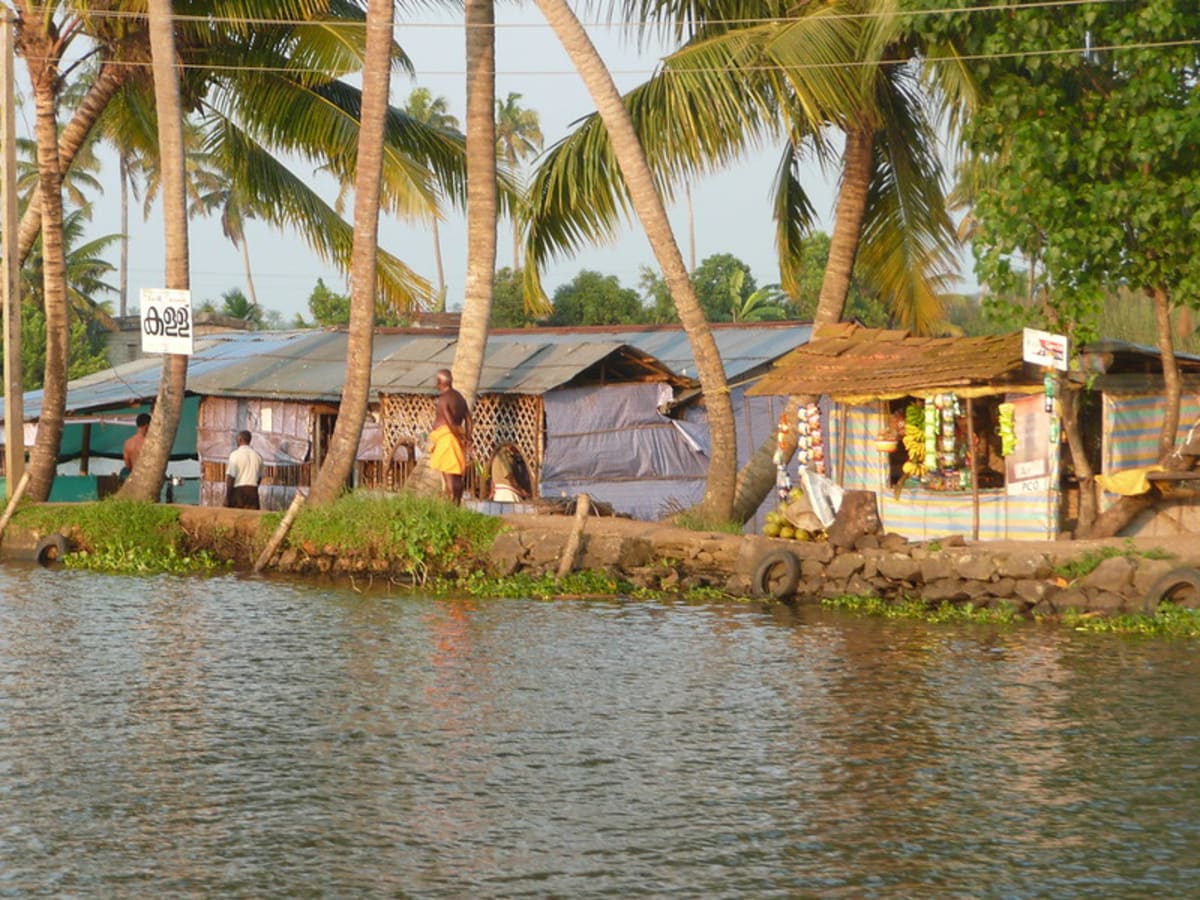
Kerala Lifts 64,000 Families Out of Extreme Poverty
Kerala became India's first state to declare itself free from extreme poverty by creating personalized support plans for over 64,000 struggling families. The innovative approach matched each household with exactly what they needed, from food access to housing.
When 64,000 families are stuck in extreme poverty, most governments hand out the same benefits to everyone and hope it works. Kerala tried something different, and in November 2025, became the first Indian state to eliminate extreme poverty.
The southern Indian state created individual support plans for each struggling family. Some needed food stamps. Others needed disability documents, healthcare, job training, or help finding stable housing. Instead of assuming every poor family faces the same problems, Kerala asked each one what they actually needed.
The state launched its Extreme Poverty Eradication Project in 2021. Community health workers, childcare providers, neighborhood groups, and volunteers fanned out across Kerala to find families who were falling through the cracks of existing welfare programs. Over 1.4 million people helped identify households facing the most severe hardship.
Once identified, each family received a personalized microplan. Government workers sat down with families to understand their specific struggles across four key areas: food, health, income, and housing. Then they connected families with the exact services and documents they needed.
The project rolled out in three phases. First came urgent needs like hunger and medical care. Then the focus shifted to sustainable income and job opportunities. Finally, Kerala helped families secure permanent housing.
Local governments tracked everything digitally to make sure families actually received the help promised to them. Kudumbashree, Kerala's women-led poverty reduction network, monitored progress and kept the project accountable at the community level.
Through this approach, over 21,000 families gained access to essential documents like identification cards, food ration cards, health insurance, and pension benefits. Thousands more received land rights, educational support, and housing assistance.
The Ripple Effect
Kerala's success offers a blueprint for fighting poverty worldwide. Many countries run welfare programs, but the poorest families often get left behind because they lack proper documents, live in remote areas, face disabilities, or simply don't know how to navigate government services.
By combining broad welfare programs with local, household-level planning and strong community participation, Kerala proved that governments can reach families who traditionally slip through the gaps. The model shows that effective poverty reduction requires understanding that every struggling family faces different obstacles.
Some economists question whether Kerala has truly eliminated all extreme poverty or simply reduced severe destitution. But the state's achievement in lifting tens of thousands of families out of desperate circumstances offers genuine hope that extreme poverty can be defeated with the right approach.
More Images
Based on reporting by Google News - Poverty Reduction
This story was written by BrightWire based on verified news reports.
Spread the positivity!
Share this good news with someone who needs it