Kerala Scientists Crack Malaria Drug Resistance Mystery
Researchers in India discovered why malaria parasites survive treatment in some patients, finding that young blood cells create a protective shield that helps parasites resist drugs. The breakthrough could help millions facing persistent infections worldwide.
Scientists in Kerala just answered a question that has puzzled doctors for years: why do some malaria patients still harbor parasites even after receiving powerful drugs? The answer could transform how we treat one of the world's deadliest diseases.
Researchers at the Rajiv Gandhi Centre for Biotechnology discovered that newly formed red blood cells called reticulocytes create a protective bubble around malaria parasites. These young blood cells are packed with antioxidants and protective enzymes that help parasites survive artemisinin, the most widely used malaria drug worldwide.
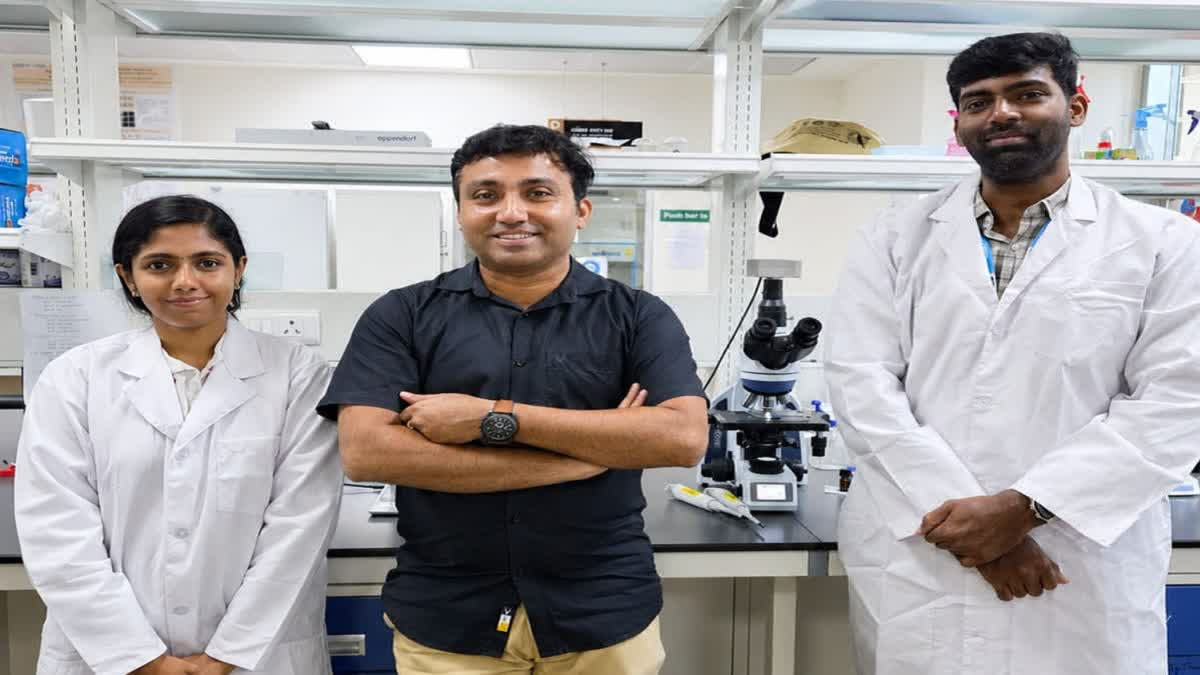
Dr. Rajesh Chandramohanadas, who led the research team, explained that drug resistance isn't just about genetic mutations in parasites. The type of blood cell that gets infected matters just as much.
The discovery published in The Journal of Infectious Diseases reveals a completely new angle on fighting malaria. When parasites infect reticulocytes instead of mature red blood cells, they gain access to a biochemical safe haven that shields them from treatment.
This finding is especially important for children, anemic patients, and people recovering from infections. These groups naturally have higher levels of reticulocytes in their bloodstream, which could explain why some vulnerable patients struggle to clear infections despite receiving proper medication.
The research team at BRIC-RGCB collaborated with hospitals and scientific institutions across India to make this breakthrough. Their work involved analyzing human reticulocytes to understand exactly what makes these cells such good hiding spots for malaria parasites.
The Ripple Effect
More than 200 million people get malaria each year, and drug resistance threatens decades of progress in fighting the disease. This discovery opens new pathways for treatment strategies that could account for which blood cells parasites infect, not just which drugs kill them fastest.
The Kerala team's findings could lead to better treatment protocols that consider a patient's reticulocyte levels when planning therapy. Doctors might eventually adjust drug timing or dosages based on blood cell composition, giving medications a better chance to work completely.
Understanding this protective mechanism also gives scientists new targets for developing combination therapies. If researchers can disrupt the protective environment inside reticulocytes, existing drugs might become more effective without needing entirely new medications.
For communities worldwide where malaria remains a constant threat, this research offers genuine hope that persistent infections could become a solvable problem rather than an accepted risk of treatment.
More Images




Based on reporting by Google News - Breakthrough Discovery
This story was written by BrightWire based on verified news reports.
Spread the positivity!
Share this good news with someone who needs it