Keto Diet Cuts Liver Fat 67% in New Study
A new study shows the keto diet reduced liver fat by 67% and reversed prediabetes in half of participants, offering hope for millions with metabolic health concerns. The findings suggest what you eat matters just as much as how much you eat.
People struggling with fatty liver disease just got some encouraging news from a surprising source.
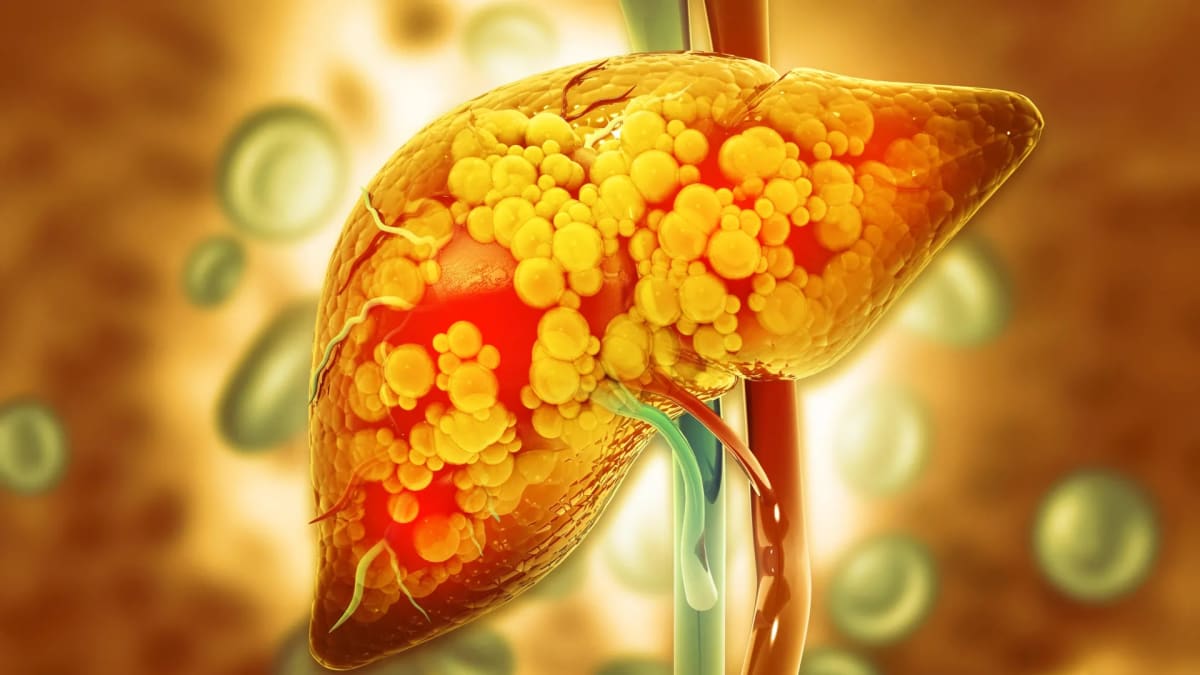
A new study published in Cell Metabolism found that a ketogenic diet reduced liver fat by 67% in adults with obesity and prediabetes. That's significantly better than the 45% reduction seen in people following Mediterranean or low-fat diets.
The research involved 42 adults who all had excess liver fat, obesity, and prediabetes. Scientists divided them into three groups, each following a different weight loss plan for several weeks.
The keto group ate about 4% carbohydrates and 73% fat. The Mediterranean group consumed 50% carbs and 35% fat. The low-fat group ate 70% carbs and just 15% fat.
Here's where it gets really interesting. All three groups lost similar amounts of weight, but their internal health markers changed differently.
The keto group saw their liver's response to insulin improve two to three times more than the other groups. This matters because insulin resistance is a key driver of type 2 diabetes and metabolic disease.
Even more exciting: half the people on keto no longer met the criteria for prediabetes by the end of the trial. Only 29% of the Mediterranean group and 7% of the low-fat group saw the same reversal.
Registered dietitian Ilana Muhlstein says the findings challenge the old "a calorie is a calorie" thinking. The study shows that the type of food you eat creates different metabolic changes inside your body, even when total calories and weight loss are similar.
The Bright Side
This research offers hope to the millions of Americans living with fatty liver disease. Many don't even know they have it since it often develops without symptoms.
The keto diet worked by reducing the liver's production of new fat while encouraging the body to burn stored fat for energy. Participants didn't experience problematic cholesterol changes during the short study period either.
Muhlstein does offer one important caution. She doesn't recommend keto as a long-term solution because of its high saturated fat content and typically lower fiber intake, which aren't ideal for heart health.
Her suggestion: consider keto as a short-term therapeutic tool for people with prediabetes or fatty liver disease, then transition to something like the Mediterranean diet for sustained health benefits.
The study was small, with only about 14 people per diet group, so more research is needed.
But for now, it's a reminder that our food choices do more than just add or subtract pounds on a scale.
More Images



Based on reporting by Fox News Health
This story was written by BrightWire based on verified news reports.
Spread the positivity!
Share this good news with someone who needs it