Kids Change Parents' Climate Habits Better Than Reverse
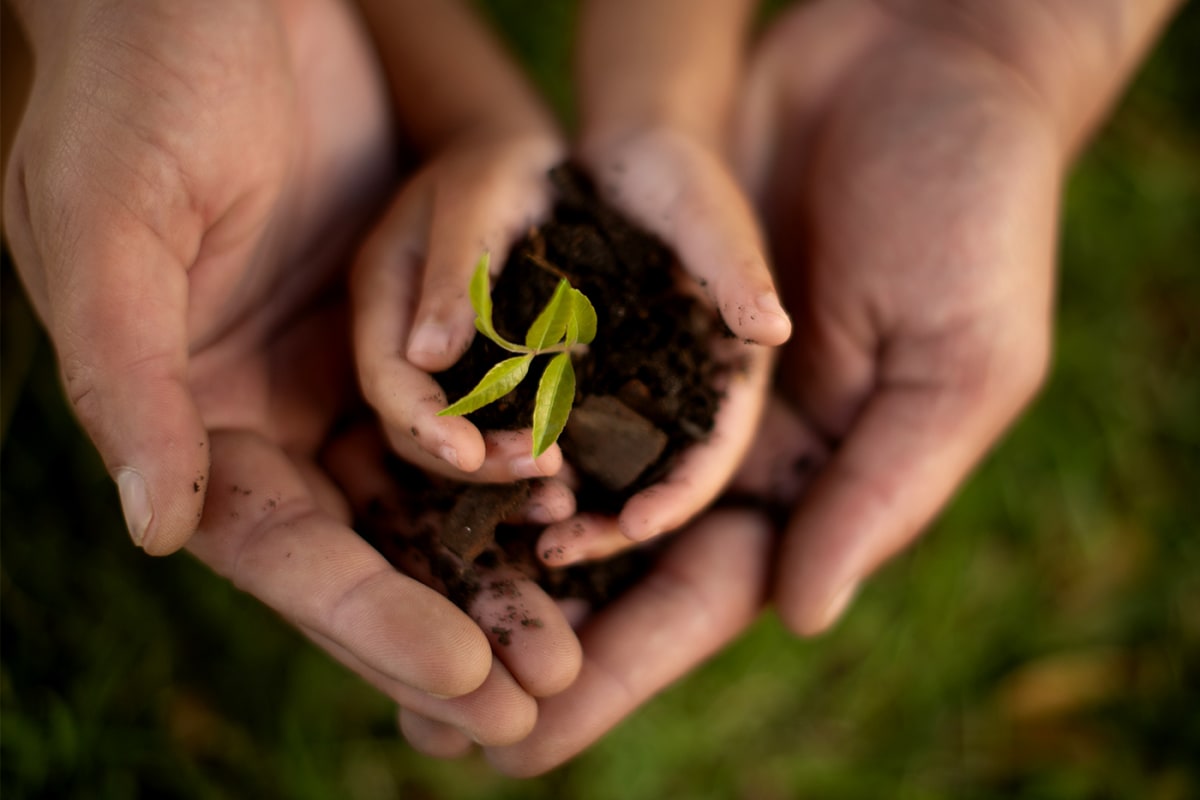
Children are more effective at teaching parents eco-friendly behaviors than parents are at teaching kids, new research from Northeastern University reveals. A study of 1,500 families in India shows kids hold surprising power to inspire environmental action at home.
Getting adults to change their daily habits is notoriously difficult, especially when it comes to climate action. But researchers just discovered an unexpected solution: let the kids lead.
A groundbreaking study from Northeastern University tested whether children or parents make better environmental teachers within families. The results surprised even the researchers themselves.
Professor Nirajana Mishra and her team enrolled more than 1,500 families with middle schoolers in Patna, India, a city facing severe air pollution, flooding, and rising temperatures. They randomly assigned families to different groups: some where only children received environmental education, some where only parents learned, and others where both participated together.
Each family received four 30-minute lessons at home over one week. The curriculum covered environmental issues, how small actions like recycling make a difference, and what advocates are doing globally to fight climate change.
At the end, families chose between getting their completion certificate printed immediately on regular paper or waiting a week for recycled paper. This simple choice revealed something powerful about who influenced whom.
Parents whose children participated were 26% more likely to choose the eco-friendly option and wait for the recycled certificate. Meanwhile, parents had almost no effect on their children's environmental choices or awareness.
The spillover went beyond paper choices. Children influenced their parents' perception of climate risks and belief that individual actions matter across four of six measured behaviors. Parents influenced their kids in just one area.
The Ripple Effect
This research matters because it flips our assumptions about learning within families. Even in Indian households where parents traditionally hold more authority and decision-making power, kids proved to be more persuasive messengers on environmental topics.
The study's location made the findings even more remarkable. Patna represents a traditional family structure where parents typically wield significant authority over children, yet environmental education still flowed upward more effectively than downward.
The key was making lessons interactive with built-in conversation time between generations. When families discussed what they learned together, children naturally became advocates who carried those conversations beyond the classroom.
For communities worldwide struggling to close the gap between environmental concern and actual behavior change, this research offers hope. The next generation isn't just inheriting climate challenges; they're already equipped to inspire solutions at home.
More Images



Based on reporting by Google News - Researchers Find
This story was written by BrightWire based on verified news reports.
Spread the positivity!
Share this good news with someone who needs it