Kids Learn Kindness From Culture, Not Just Age
A groundbreaking study of 400 children across five societies reveals that kids don't follow a universal path to cooperation. Instead, they learn what kindness means by watching the world around them.
Children around the world start out focused on themselves, but they don't all grow into cooperation the same way. A new study shows that culture, not just age, shapes how kids learn to share, trust, and forgive.
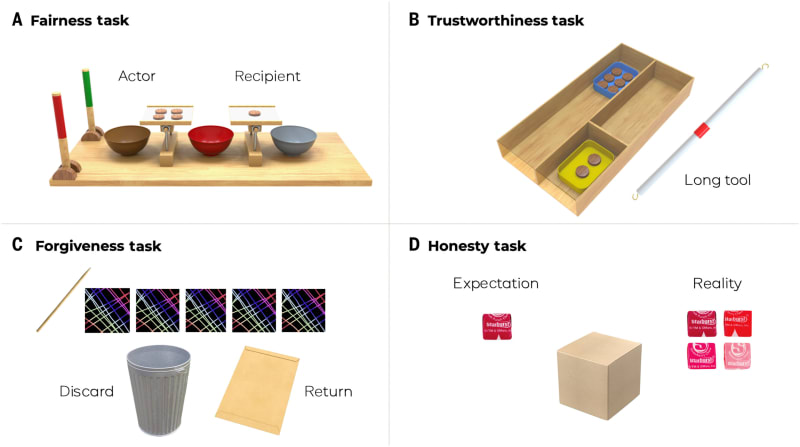
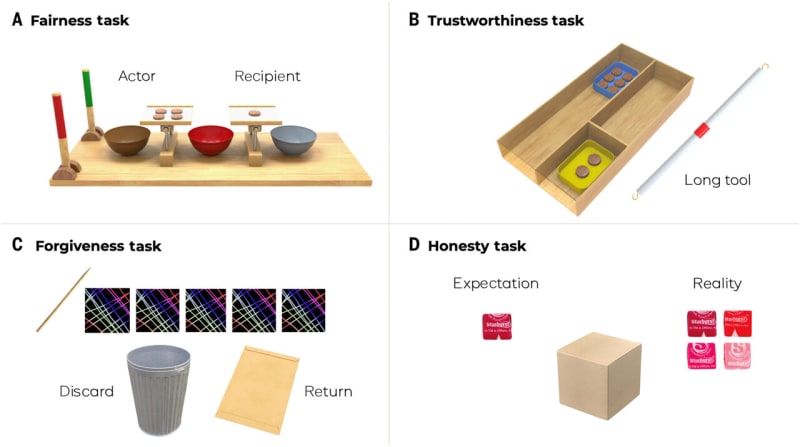
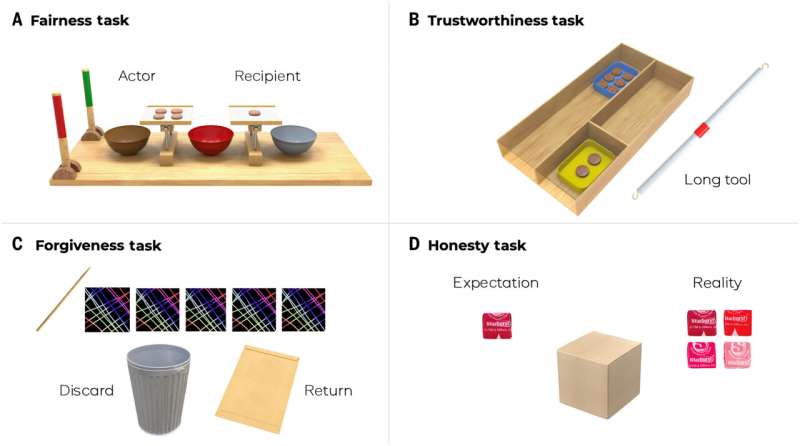
Researchers at Duke University studied over 400 children ages five to 13 from the United States, Canada, Peru, Uganda, and Shuar communities in Ecuador. They played simple games involving sharing candy, returning favors, forgiving mistakes, and telling the truth.
The results were striking. Young children everywhere began with similar self-interested behavior, taking what benefited them most. But as they grew older, their choices started reflecting what their own communities valued.
In industrialized countries, older children often shared resources equally or rejected unfair advantages. But in Shuar communities in Ecuador, where resources can be scarce, children focused on not wasting anything and maximizing what they had. Neither approach was wrong. Both matched what made sense in their world.
The research team didn't just observe behavior. They talked to adults and children in each community to understand local values. What looked like selfishness in one culture was actually the community norm in another.
Children knew the "right" thing to do before they consistently did it, especially with honesty. But one value proved universal: forgiveness. Across all five societies, both children and adults strongly agreed that accidental mistakes should be forgiven.
Why This Inspires
This research offers a hopeful message for parents and teachers everywhere. It shows that children are deeply capable learners, constantly watching and adapting to the world around them. They're not just absorbing abstract rules about right and wrong. They're figuring out what cooperation actually means in their daily lives.
The study also reminds us that there's no single "correct" way to be kind or cooperative. Different communities need different strategies to thrive. When we understand this, we can appreciate the wisdom in diverse approaches to raising children.
Lead researcher Dorsa Amir emphasizes that these differences don't mean some children are more or less moral than others. They're simply learning what works in their social world, developing skills that will help them cooperate successfully with the people around them.
The findings celebrate human flexibility and our remarkable ability to adapt cooperation to local needs.
More Images


Based on reporting by Phys.org
This story was written by BrightWire based on verified news reports.
Spread the positivity!
Share this good news with someone who needs it