Knitters Create 8,000 Welcome Blankets for Refugees
A Los Angeles artist is leading a global knitting project to create handmade blankets spanning Earth's circumference. So far, 8,000 welcome blankets have reached immigrant and refugee families across America.
Instead of building walls, thousands of crafters are knitting bridges.
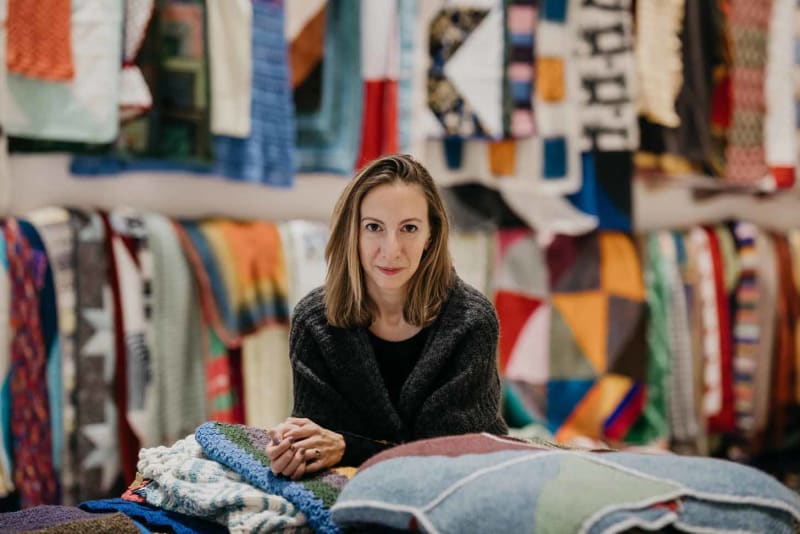
When Los Angeles artist Jayna Zweiman heard about plans for a border wall in 2017, she grabbed her knitting needles and started a different kind of project. She wanted to knit the same distance in yarn, creating cozy 40-inch blankets for refugees and immigrants arriving in America.
The response flooded in faster than she expected. Within months, Zweiman hit her original goal of 6,000 blankets, so she made the target bigger: cover the entire circumference of Earth with welcome blankets.
That means 36,521 hand-knit or quilted pieces spanning 24,901 miles. Today, the Welcome Blanket project has collected 8,000 blankets and counting.
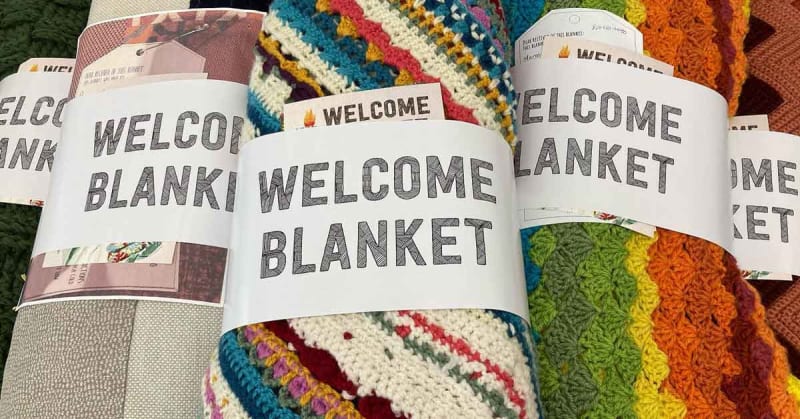
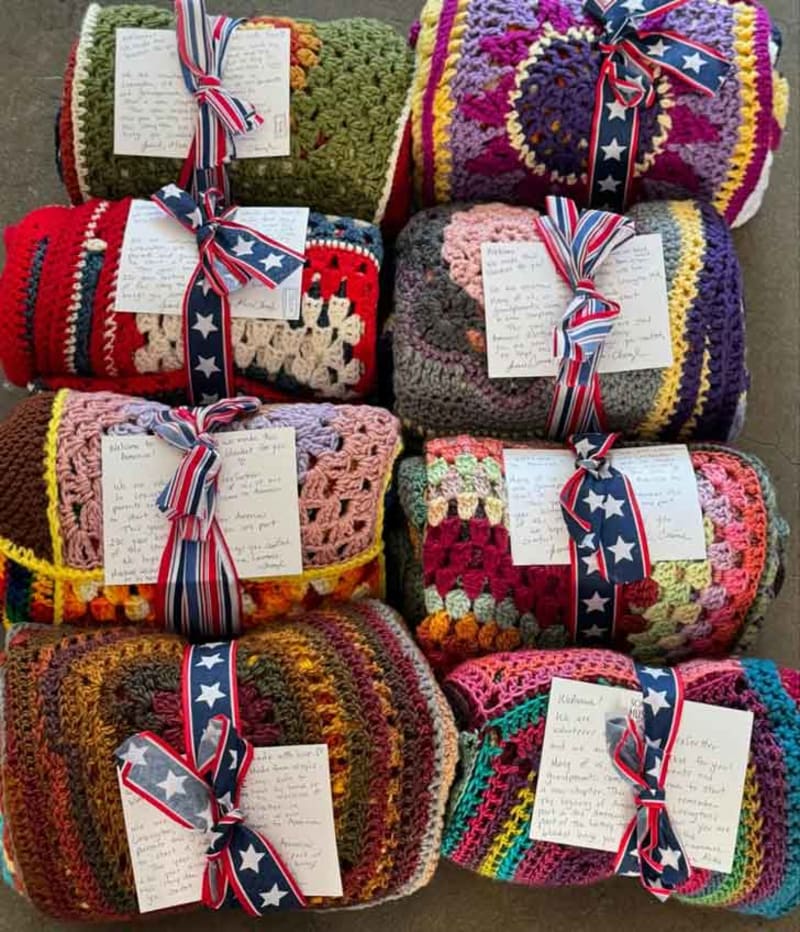
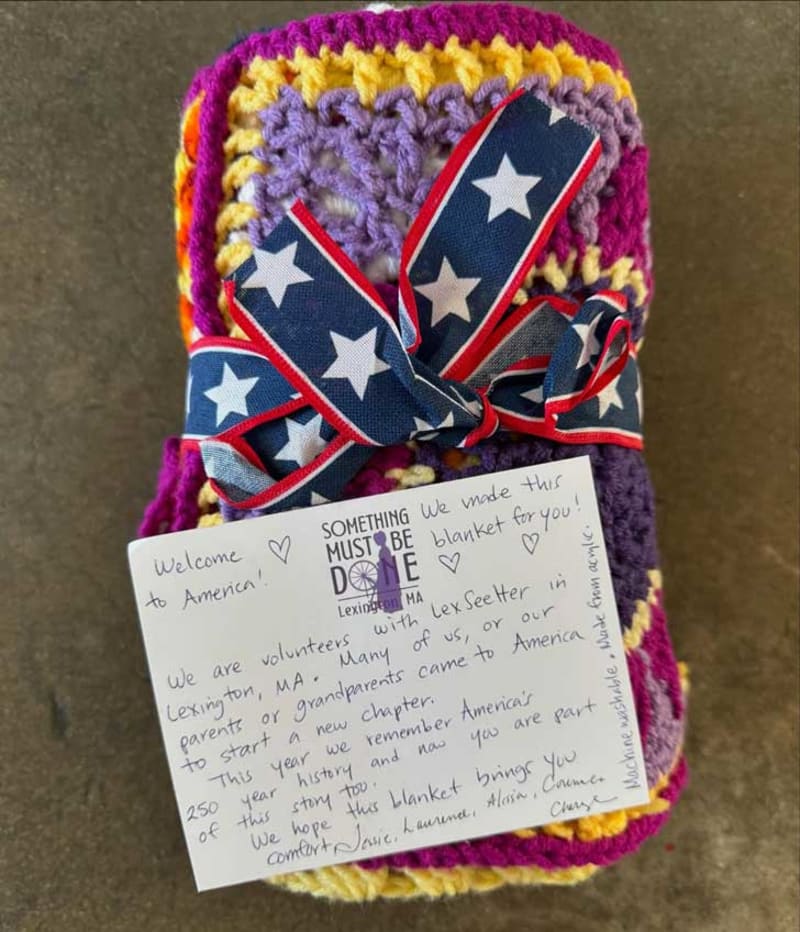
Each crafter chooses their own method, whether knitting, crocheting, sewing, or quilting. The only requirement is making a 40-inch square lap blanket and including a personal welcome note for the recipient.
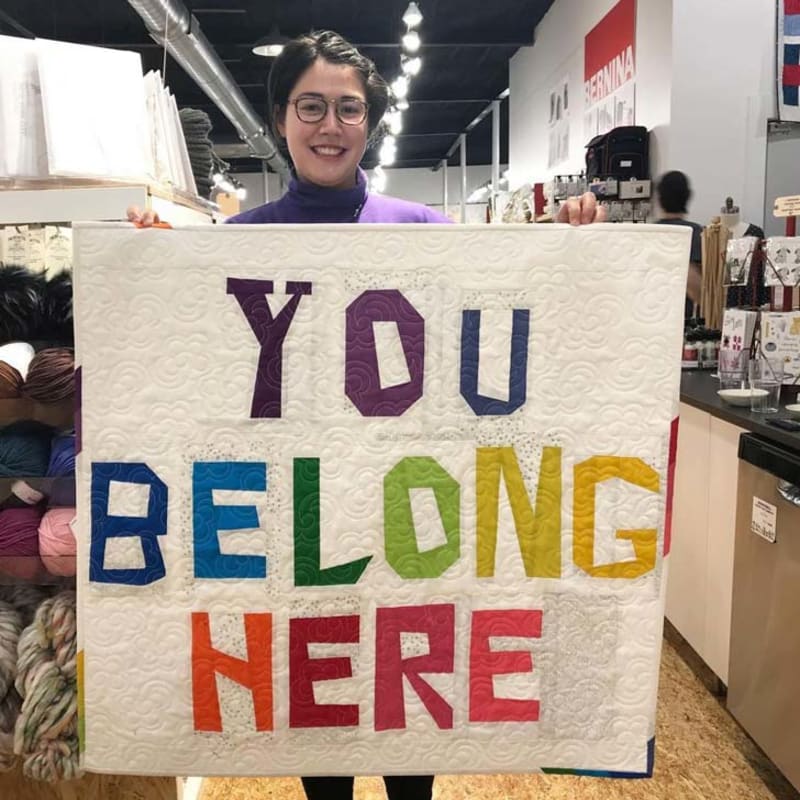
Some notes are stitched directly into the fabric. Quilt squares spell out "you belong here," while hand-sewn tags read "welcome home."
The blankets get distributed through local resettlement agencies across the country. Some are displayed in galleries first, while others go straight to families starting their new American lives.
The Ripple Effect
Welcome Blanket has grown into more than a craft project. It connects thousands of makers with newcomers in a tangible act of hospitality, turning yarn and fabric into symbols of belonging.
Zweiman tracks every blanket through an online form, watching the total miles creep closer to that planet-sized goal. Each logged entry represents hours of careful work and a stranger's decision to say "welcome" with their hands.
The project builds on Zweiman's earlier success with the Pussyhat Project, which became one of history's largest crowd-sourced art advocacy efforts. Her approach proves that needles and thread can stitch together communities as effectively as any policy.
For Zweiman, the math is simple: instead of keeping people out, what would it look like to welcome them in? Eight thousand families now have warm, handmade answers to that question.
More Images
Based on reporting by Good Good Good
This story was written by BrightWire based on verified news reports.
Spread the positivity!
Share this good news with someone who needs it