Koalas Bounce Back After Near-Extinction DNA Crisis
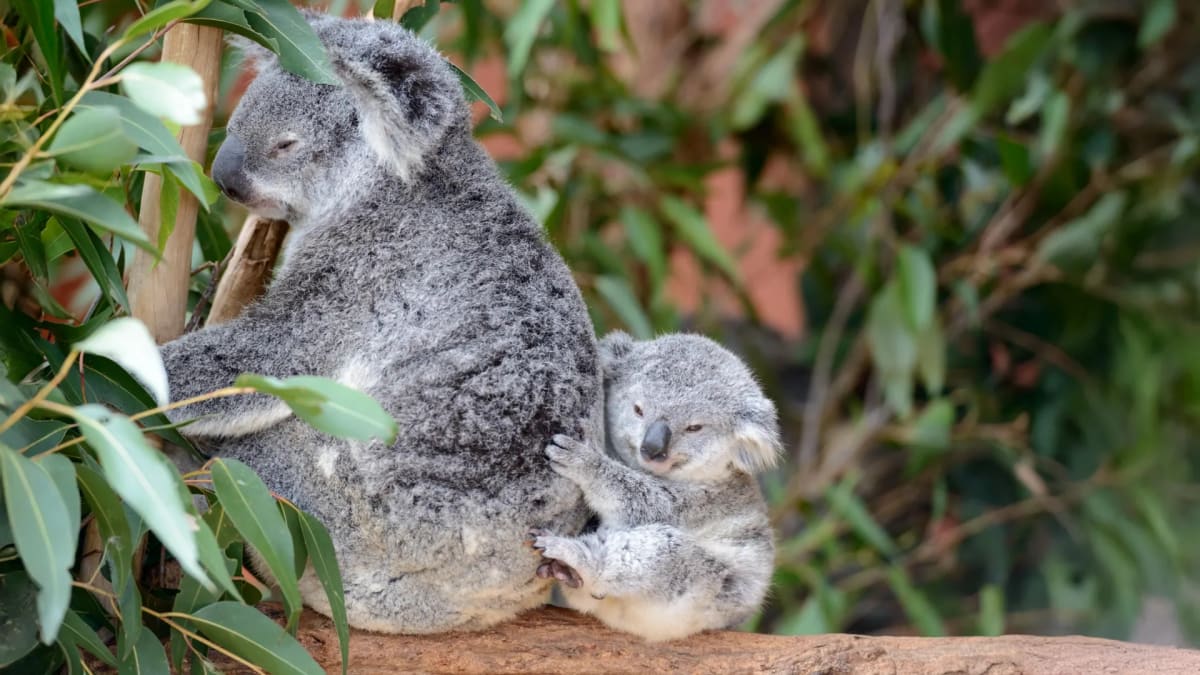
Australian koalas are rebuilding their genetic health after a devastating population crash nearly wiped them out. Scientists studying 418 koalas found that rapid population growth is helping restore genetic diversity through natural DNA mixing.
Koalas that almost lost their genetic future are now writing a comeback story in their own DNA.
A groundbreaking study of 418 koalas across 27 Australian populations reveals that these beloved marsupials are naturally repairing genetic damage from a past population collapse. As their numbers rebound, a biological process called recombination is shuffling their remaining DNA into new, healthier combinations.
When a species nearly goes extinct, the survivors carry only a fraction of the genetic diversity their ancestors had. This lack of variety makes future generations vulnerable to disease, reduces fertility, and can trap species in what scientists call an "extinction vortex," where shrinking numbers and poor health spiral downward together.
But koalas are proving that genetic decline doesn't have to be permanent. Researchers led by Collin Ahrens discovered that when populations recover quickly, the growing numbers create more opportunities for genetic reshuffling. Think of it like shuffling a small deck of cards more frequently: you can still create many different hands even with fewer cards to work with.
The study examined whole genome data spanning populations across Australia. While koalas still carry the scars of their past decline in relatively low overall diversity, several populations now show clear signs of genetic recovery. The key is recombination, the natural process during reproduction that mixes genetic material into fresh combinations.
The Bright Side
This discovery challenges the old assumption that species can never recover from severe genetic bottlenecks. The koala comeback suggests that fast population growth can act as a buffer against genetic damage, buying time for natural processes to restore evolutionary potential.
The findings offer real hope for conservation efforts worldwide. Many endangered species face similar genetic challenges, and understanding how koalas are naturally rebuilding their DNA toolkit could guide strategies to help other vulnerable animals recover.
For koalas specifically, the research confirms that protecting growing populations and allowing them to expand rapidly gives these animals their best shot at long-term survival. The more koalas there are, the more chances their DNA has to remix into healthier combinations.
Nature's ability to heal itself, when given the chance, continues to surprise us.
Based on reporting by Science Daily
This story was written by BrightWire based on verified news reports.
Spread the positivity!
Share this good news with someone who needs it