Koalas Show Genetic Bottlenecks Don't Doom Species
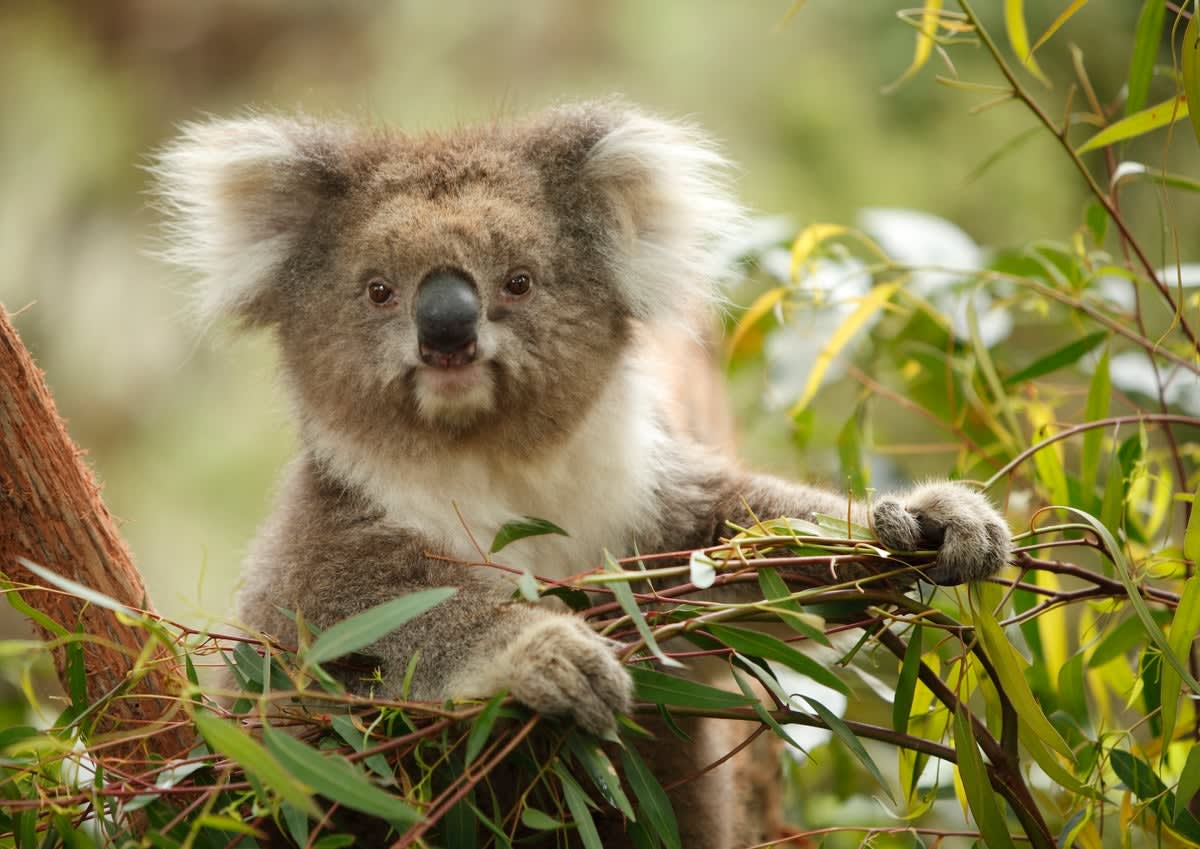
Australian koalas are rewriting the rules of genetics by bouncing back from near-extinction with surprising genetic diversity. Their recovery offers hope for endangered species worldwide facing similar threats.
Australia's sleepy koalas just proved that a species on the brink can come roaring back in ways scientists never thought possible.
Researchers studying 418 koalas across Australia discovered something remarkable. Populations in Victoria that crashed in the 1800s due to the fur trade are now thriving genetically, despite high rates of inbreeding just decades ago.
The finding challenges a long-held belief in conservation biology. Scientists assumed that genetic bottlenecks, when a species' numbers suddenly drop, lead inevitably to inbreeding and extinction.
But Victoria's koalas told a different story. Over the past 40 generations, their genetic diversity has actually increased while populations in Queensland and New South Wales have declined.
The secret? Explosive population growth gave these koalas countless opportunities for genetic mutations and recombination. Think of it like shuffling a limited deck of cards in so many different ways that you create new combinations you never expected.
"The assumption that a bottleneck leads to eventual extinction is not set in stone," says Rachel O'Neill, a genome biologist at the University of Connecticut who wasn't involved in the research.
The recovery happened so successfully that wildlife managers in Victoria now focus on controlling koala numbers rather than boosting them. The animals went from nearly wiped out to thriving in just over a century.
Why This Inspires
This breakthrough reaches far beyond one fuzzy marsupial. With climate change and habitat loss threatening countless species, the koala comeback offers a roadmap for conservation efforts worldwide.
The pattern mirrors what scientists have observed in invasive species. Just a few individuals introduced to a new environment can rapidly proliferate and thrive genetically, proving that small populations aren't automatically doomed.
"If we give them the right resources and tools to have some kind of rapid expansion, maybe it also can restore their evolutionary potential," says Caitlin Curry, a population geneticist at the San Diego Zoo Wildlife Alliance.
The research, published in the journal Science, suggests that protecting habitat and allowing room for population growth could help endangered species recover their genetic health. It's not just about preventing extinction but enabling true evolutionary resilience.
For conservationists working with threatened species from pandas to tigers, the message is clear: given the right conditions, nature has an extraordinary ability to heal itself.
More Images

Based on reporting by Scientific American
This story was written by BrightWire based on verified news reports.
Spread the positivity!
Share this good news with someone who needs it