Kolkata's Wetlands Clean 900M Liters of Sewage Daily
A natural wetland system outside Kolkata purifies the city's wastewater without expensive treatment plants, turning sewage into thriving fish farms. This 12,500-hectare ecosystem saves millions while feeding thousands.
Fifteen miles from one of India's biggest cities, fish farmer Gagan Das is grateful for something unusual: a steady supply of sewage.
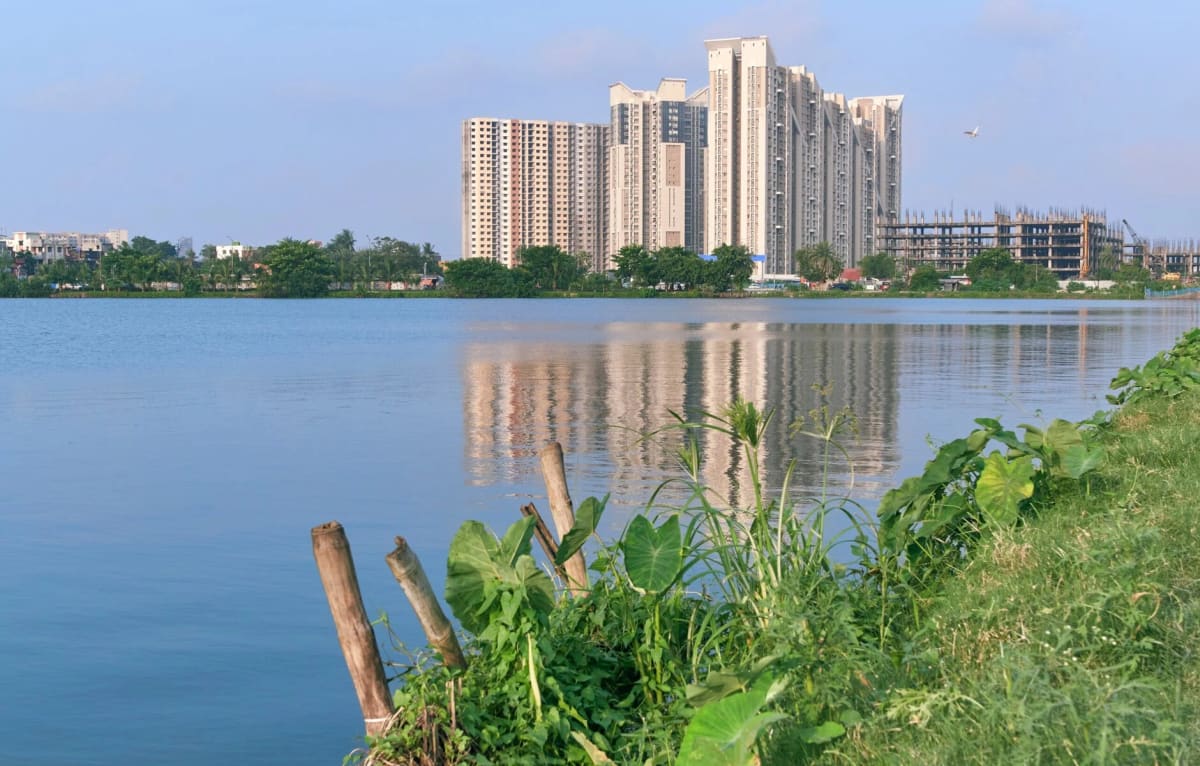
Das works in the East Kolkata Wetlands, where nature does what would normally require massive industrial plants. Every single day, this 12,500-hectare ecosystem naturally purifies 900 million liters of Kolkata's wastewater.
The system works like clockwork. Underground pipes carry sewage from Kolkata to ancient canals that flow through the wetlands. Gravity does the heavy lifting as the water moves downhill from the city.
Once there, nature takes over. Solid waste settles and becomes nutrient-rich compost that farmers use as fertilizer. Sunlight treats and oxygenates the water while aquatic plants, plankton and helpful microbes feast on organic matter.
Then come the fish. Das leases two ponds for about $940 annually and expects to quadruple that investment this year. The water flowing into his bheri (pond) looks clear and smells fresh, perfect for raising the carp that Kolkata residents love to eat.
"My fish are fingerlings right now, but this tasty feed I've prepared will fatten them up in no time," Das says, mixing groundnut and mustard meal into the purified water. Around him, mango trees droop with fruit and palm trees bend under clusters of yellow dates.
The wetlands earned recognition as a Ramsar Site of international importance for good reason. According to Susanta Kumar Chakraborty, author of a 2023 book on the ecosystem, this is "the largest natural waste recycling system in the world."
The benefits extend beyond fish farming. The wetlands absorb floodwater during monsoon rains, protecting Kolkata from flooding. Local farmers harvest that nutrient-rich sludge as fertilizer for crops.
The Ripple Effect
This natural solution saves Kolkata from building and operating significantly larger, high-tech sewage treatment plants that would cost millions. The money saved goes back into the community while creating jobs for fish farmers, fertilizer collectors and agricultural workers.
The system supports entire families and feeds a city of millions with fresh fish. Meanwhile, it protects the environment by avoiding chemical-heavy industrial treatment processes.
A wetland that turns a megacity's waste into dinner plates while saving money and creating jobs proves nature often knows best.
More Images


Based on reporting by Reasons to be Cheerful
This story was written by BrightWire based on verified news reports.
Spread the positivity!
Share this good news with someone who needs it