Korea Invests $13M to Save Mothers in Ghana
South Korea is funding a groundbreaking healthcare partnership to reduce maternal and newborn deaths across three regions of Ghana. The four-year initiative will train frontline health workers and provide life-saving equipment to underserved communities.
Thousands of mothers and babies in Ghana will soon have better access to life-saving care, thanks to a $13 million commitment from South Korea.
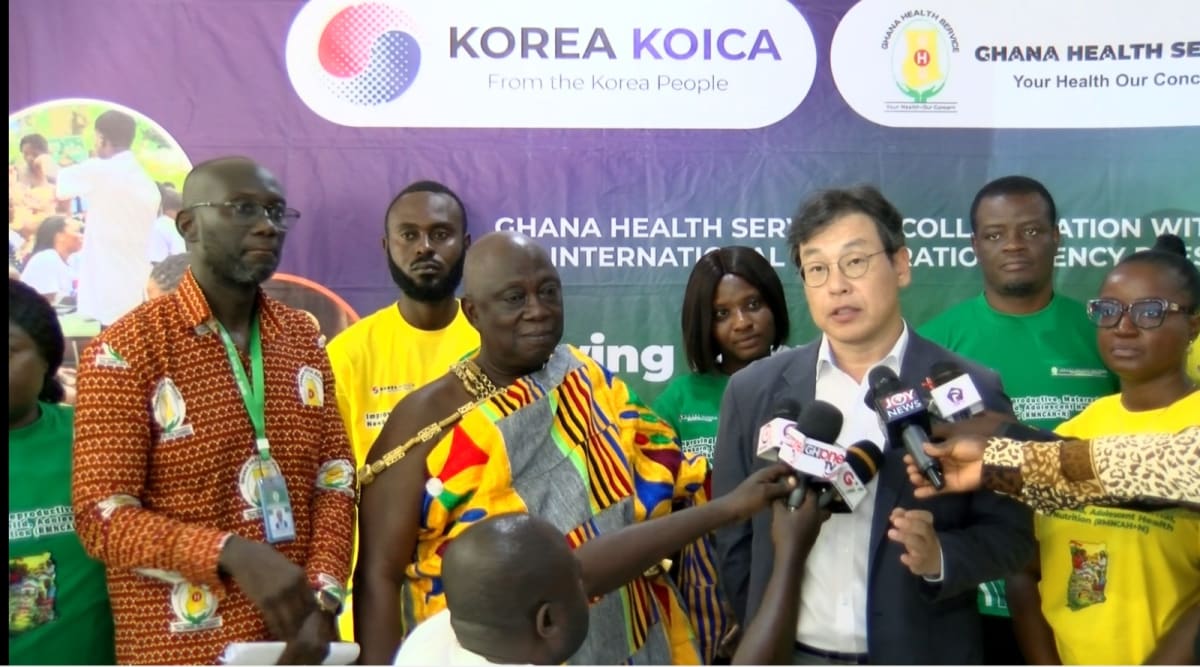
The Korea International Cooperation Agency (KOICA) and Ghana Health Service have launched a four-year partnership targeting the Ashanti, Eastern, and Central regions. The program aims to reduce preventable maternal and newborn deaths by strengthening healthcare at the community level.
The heart of the initiative focuses on empowering the healthcare workers closest to rural families. Midwives and nurses at small health centers and CHPS compounds will receive hands-on mentorship from experts at teaching and district hospitals.
Dr. Fred Adomako-Boateng, Ashanti Regional Director of Health Services, explains the challenge they're solving. Many complications that could be managed locally currently require long, dangerous referrals to distant hospitals because frontline workers lack training or supplies.
The program addresses three critical gaps. First, clinical mentorship will upgrade the skills and confidence of rural healthcare providers so they can handle more emergencies on-site. Second, leadership training will strengthen management of maternity units. Third, essential medicines and diagnostic equipment will be distributed to ensure workers have what they need when seconds count.
The Ripple Effect
The impact reaches far beyond individual patients. When a mother bleeding after childbirth can receive emergency medication at her local clinic instead of traveling hours to a hospital, survival rates improve dramatically.
The program tackles Ghana's unequal distribution of healthcare expertise. Teaching hospital specialists will regularly mentor rural nurses, creating a knowledge network that lifts entire regions. UNICEF is partnering to identify and deliver the specific supplies each facility needs most.
Donghyun Shin, Second Secretary of the Embassy of the Republic of Korea in Ghana, emphasized his country's commitment to strengthening primary healthcare across the three regions. The partnership includes built-in accountability, tying continued support to measurable results and performance improvements.
By keeping care close to home, families avoid the costs and risks of emergency travel. Communities gain confidence in their local health centers. And frontline workers receive the respect and resources they deserve.
The project represents a shift toward sustainable, community-based healthcare that meets people where they are, saving lives one trained midwife and one equipped clinic at a time.
Based on reporting by Myjoyonline Ghana
This story was written by BrightWire based on verified news reports.
Spread the positivity!
Share this good news with someone who needs it