Korea Zinc Turns Data Center Trash Into Rare Earth Treasure
Korea Zinc is partnering with major US tech companies to extract rare earth minerals from data center waste, creating a new domestic supply chain. The initiative helps America break free from Chinese mineral dependence while turning electronic trash into valuable resources.
Your old servers and broken tech equipment might hold the key to America's energy independence.
Korea Zinc, one of the world's largest metal smelters, is teaming up with major US technology firms to mine rare earth minerals from data center waste. These critical materials power everything from smartphones to electric vehicles to defense systems.
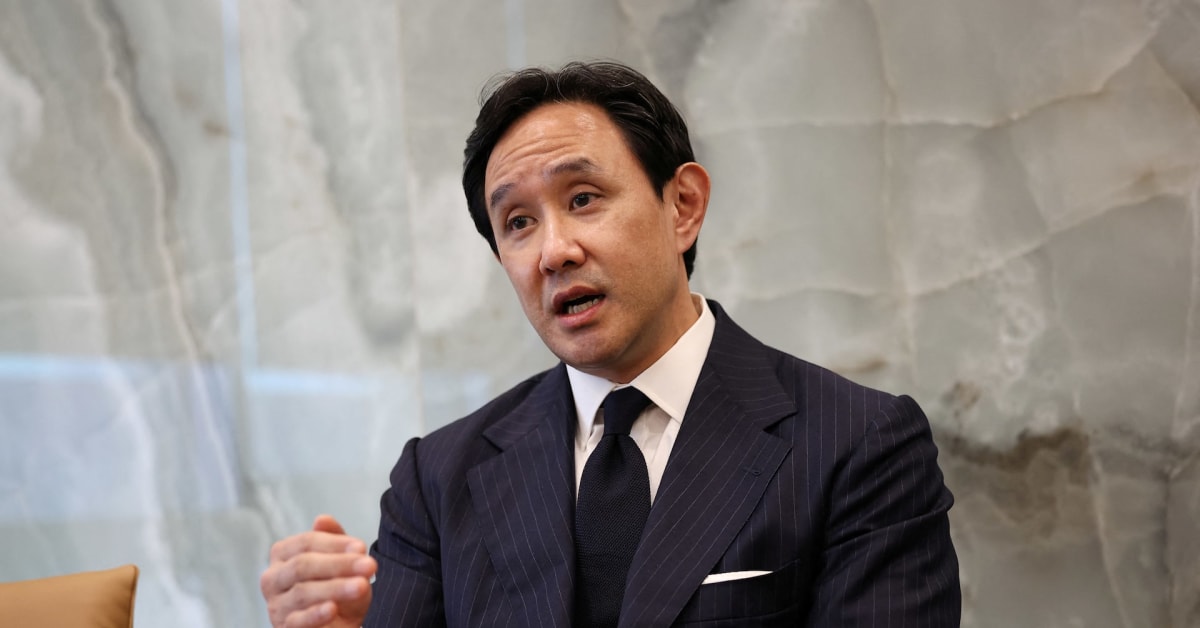
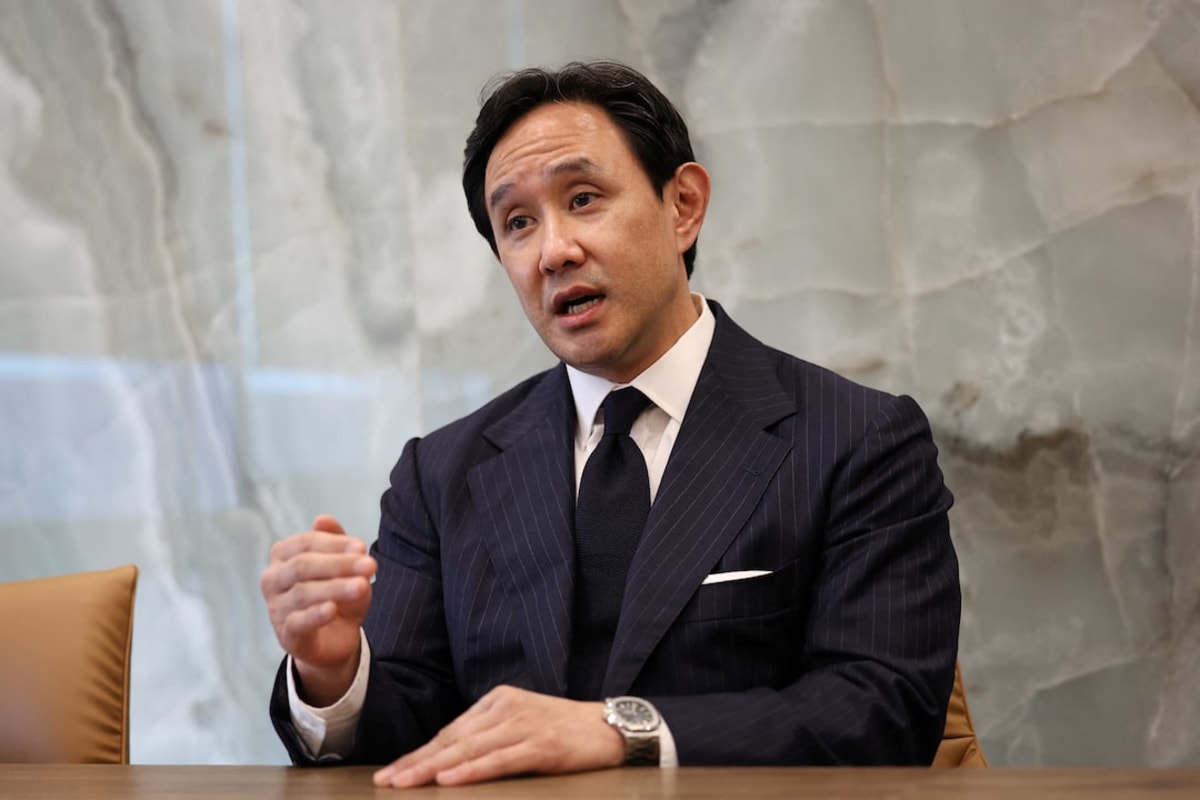
The South Korean company has spent two years quietly developing technology to extract valuable minerals from electronic scrap. Chairman Yun B. Choi shared that they're already making moves, buying an electronic waste recycler and partnering with a firm that specializes in mineral separation.
The timing couldn't be better. China controls about 90% of the world's rare earth supply and recently restricted exports during ongoing trade tensions. The US has just one rare earth mine and desperately needs alternatives.
"The US government has been continuously advocating for recycling critical minerals, because they are aware that a significant amount of such minerals from waste was exported to China," Choi explained. Instead of shipping that treasure overseas, Korea Zinc wants to process it right here in America.
The company isn't stopping at data centers. They're also targeting battery and solar panel waste, which contains metals needed for clean energy and national defense. Every discarded laptop, dead solar panel, and worn-out EV battery becomes a potential source of materials we currently import.
The Ripple Effect
This recycling initiative builds on Korea Zinc's already impressive US expansion. Last December, they announced a $7.4 billion smelter in Tennessee, the first US-based facility of its kind since the 1970s. When it opens in 2030, it will produce 540,000 metric tons of critical minerals annually, including antimony, gallium, and germanium.
The company's profit margins tell the story of surging demand. Korea Zinc reported record operating profit of $813 million last year, driven largely by antimony sales. This metal is critical for military applications and nuclear weapons production, and its price more than doubled in 2025.
The new Tennessee smelter expects profit margins of 17% to 19%, higher than their 51-year-old Korean facility. The US government is fast-tracking permits and considering guaranteed minimum prices for domestic critical mineral projects, making the business case even stronger.
The broader impact extends beyond corporate balance sheets. Each ton of rare earths extracted from American waste is one less ton we need from potentially unstable foreign sources. It's job creation, national security, and environmental protection rolled into one.
Construction on the Tennessee facility starts in early 2027, with operations beginning in 2030. The smelter is expected to break even within just one year.
America's tech trash is about to become tomorrow's strategic resource.
More Images
Based on reporting by Regional: south korea technology (KR)
This story was written by BrightWire based on verified news reports.
Spread the positivity!
Share this good news with someone who needs it