Korean City Revived by 26 Young Entrepreneur Teams
A dying Korean port city lost thousands of jobs when factories closed in 2018, but young entrepreneurs transformed 502 underused properties into thriving businesses in just three years. Their secret: turning local challenges into opportunities for creative experimentation.
When factories shut down in Gunsan, South Korea in 2018, the port city seemed destined to fade away. Tens of thousands of residents lost their jobs, shops closed their doors, and young people fled to bigger cities.
But in 2019, an organization called Underdogs saw something different. They believed young entrepreneurs could breathe new life into Gunsan by solving local problems with creative businesses.
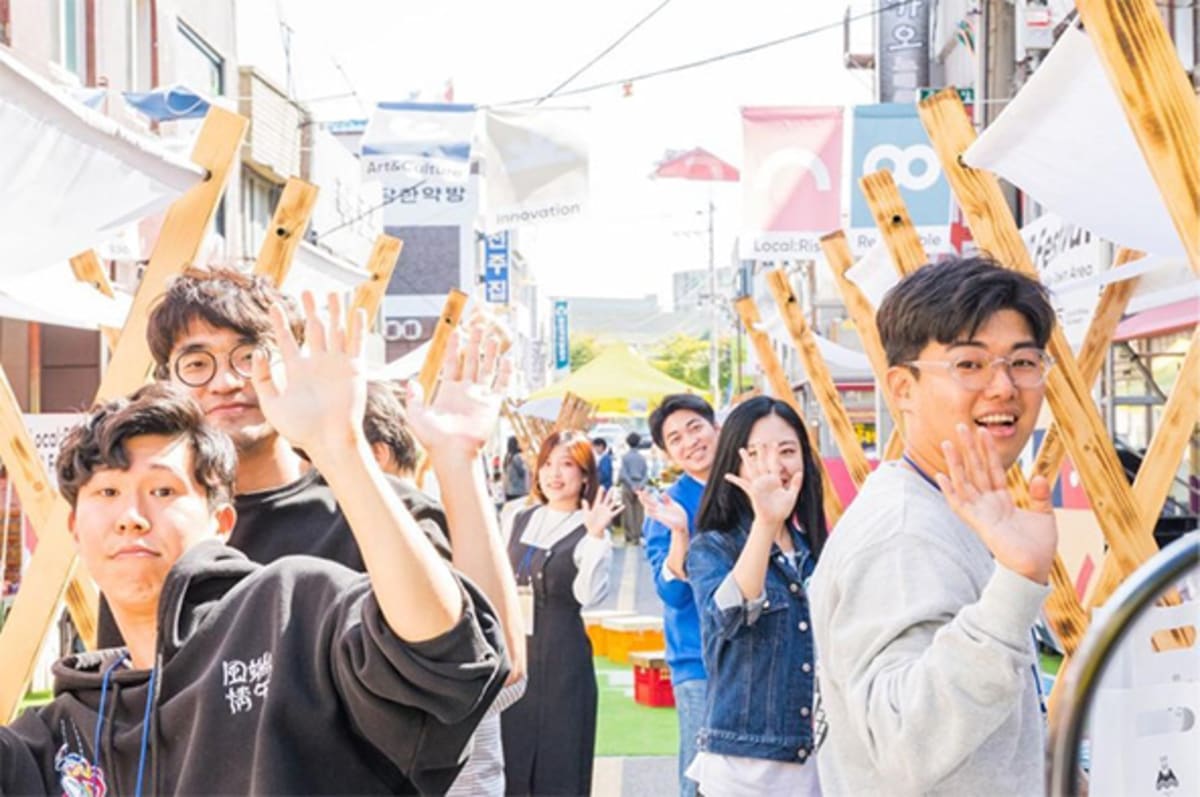
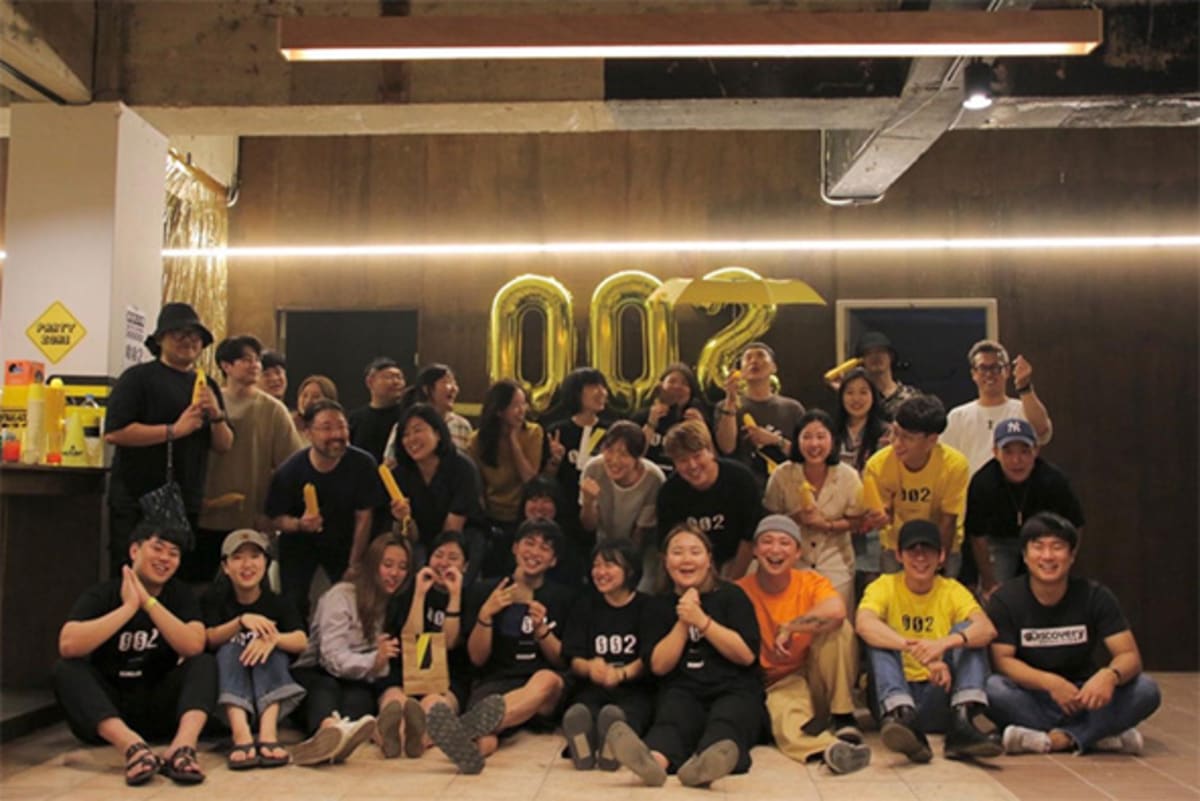
The results proved them right. In just three years, the Localize Gunsan initiative attracted 17,774 visitors to its community workspace and helped launch 26 new businesses that transformed abandoned buildings into vibrant spaces.
The projects varied wildly in scope and mission. One entrepreneur created Gunsan Sumgim, a seaweed brand, after watching his father's locally grown seaweed get sold under other regions' labels. The Gunsan Bam Cooperative responded to the city's quiet nightlife by opening a food zone and hosting World Cup watch parties and outdoor concerts.
A third-generation carpenter founded Hammer Design to rescue historic buildings from abandonment. He converted vacant structures into workspaces for startup teams, preserving the city's heritage while creating room for its future.
What made these entrepreneurs take the leap? They weren't motivated by saving a dying city. Most came simply wanting to try something fun and different, according to Underdogs CEO Sangrae Cho.
The initiative gave them the resources to experiment. Underdogs provided entrepreneurship education, community workspace, and connections to local networks. Young people saw Gunsan not as a place of decline but as a blank canvas for testing bold ideas.
The Ripple Effect
Gunsan's story offers hope for struggling cities worldwide. Twenty-seven percent of Korea's regions now face the crisis of local extinction due to aging populations and urban migration. Traditional government subsidies have failed to attract lasting settlement.
But the entrepreneurial approach works differently. Rather than paying people to move, it creates an ecosystem where young people want to build their futures. The 502 services developed through Localize Gunsan didn't just create jobs. They rebuilt social connections, cultural vibrancy, and community pride.
The model proves that declining cities need more than money. They need dreamers who see possibility where others see problems, and support systems that turn those dreams into reality.
Gunsan's empty streets are filling up again, one creative venture at a time.
More Images


Based on reporting by Stanford Social Innovation
This story was written by BrightWire based on verified news reports.
Spread the positivity!
Share this good news with someone who needs it

%2Ffile%2Fattachments%2Forphans%2FKyran-Tourism7_528375.jpg)