Korean Physicist Wins $3M 'Oscar of Science' for Muon Research
Lee Soo-hyung just became one of Korea's brightest scientific stars, winning the prestigious Breakthrough Prize for groundbreaking work in particle physics. The Korea University researcher will receive $3 million for helping unlock mysteries of the universe through precision experiments with subatomic particles.
A South Korean physicist has claimed one of the world's most prestigious science awards for research that could reshape our understanding of the fundamental forces of nature.
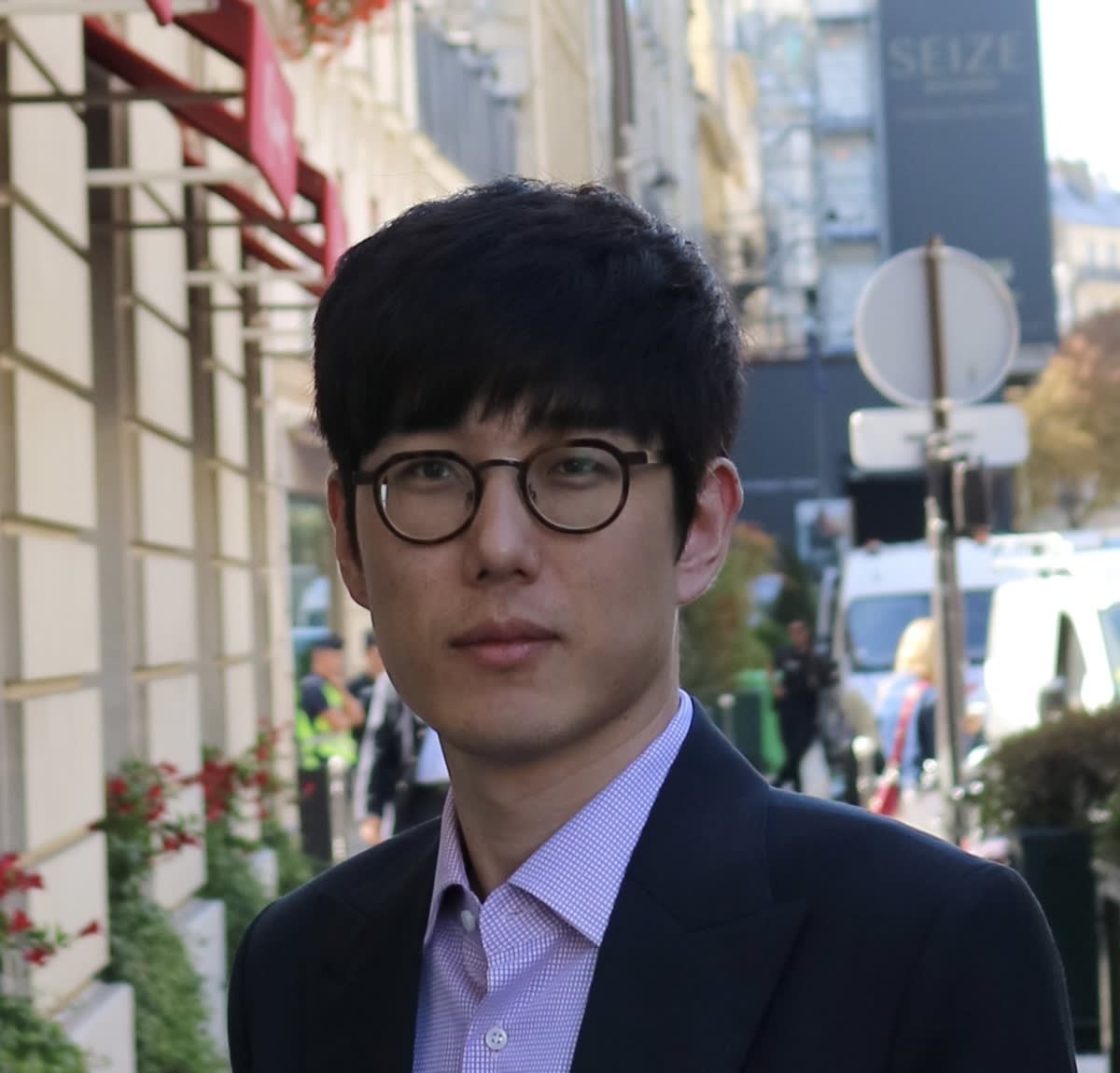
Lee Soo-hyung, a research professor at Korea University Sejong Campus, won the 2026 Breakthrough Prize in Fundamental Physics. The award comes with $3 million and recognition as one of the planet's leading scientific minds.
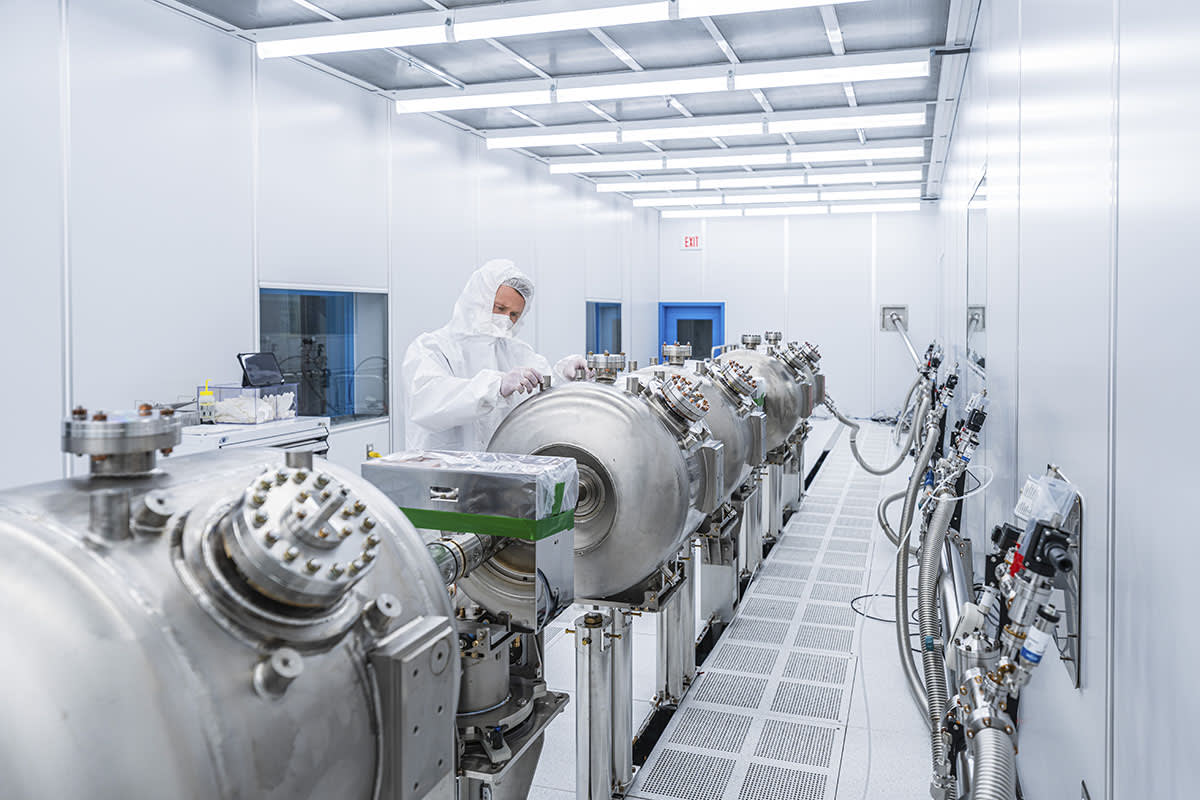
Lee earned the honor through his work on the Muon g-2 experiment at Fermi National Accelerator Laboratory in the United States. His contribution focused on taming the wild oscillations of muon beams, helping scientists make incredibly precise measurements of these tiny subatomic particles.
Think of muons as fleeting cosmic messengers. They exist for just microseconds before vanishing, but studying them reveals secrets about the basic building blocks of reality. Lee developed techniques using high-frequency electric fields to stabilize muon beams during experiments, dramatically improving measurement accuracy.
The Breakthrough Prize has earned its nickname as the "Oscars of Science" since its founding in 2012 by tech pioneers including Mark Zuckerberg and Sergey Brin. It awards $3 million annually across life sciences, fundamental physics, and mathematics.
Lee's expertise extends beyond the muon work. He develops Beam Position Monitors for particle accelerators and specializes in radiofrequency signal processing. He previously led the CAPP-8TB experiment, part of the search for axions, another mysterious particle that could explain dark matter.
Why This Inspires
Lee's achievement shows how patient, precise scientific work pays off in ways that matter. Every breakthrough in understanding muons and other fundamental particles brings us closer to answering age-old questions about why the universe exists and how it works.
His success also highlights South Korea's growing prominence in global physics research. From university labs in Sejong to international collaborations at world-class facilities, Korean scientists are helping write the next chapter of human knowledge.
The research has practical implications too, as advances in particle physics often lead to unexpected technologies, from medical imaging to communications systems.
For Lee, the recognition validates years of meticulous work on experiments where precision matters at scales almost impossible to imagine. A $3 million prize and global acclaim prove that chasing the universe's smallest secrets can lead to the biggest rewards.
More Images

Based on reporting by Google News - South Korea Breakthrough
This story was written by BrightWire based on verified news reports.
Spread the positivity!
Share this good news with someone who needs it