Korean Scientists Boost Solar Cell Efficiency by 208%
South Korean researchers just solved a major problem holding back next-generation solar panels. Their simple new design more than triples the power output of back-contact perovskite solar cells.
Scientists in South Korea have cracked a code that could reshape how we capture sunlight for energy.
Researchers from the University of Seoul and Jeonbuk National University developed a breakthrough two-layer design that dramatically improves perovskite solar cells. These next-generation panels already show promise for flexible devices and large-scale solar farms, but efficiency losses at the cell's interior surfaces have held them back until now.
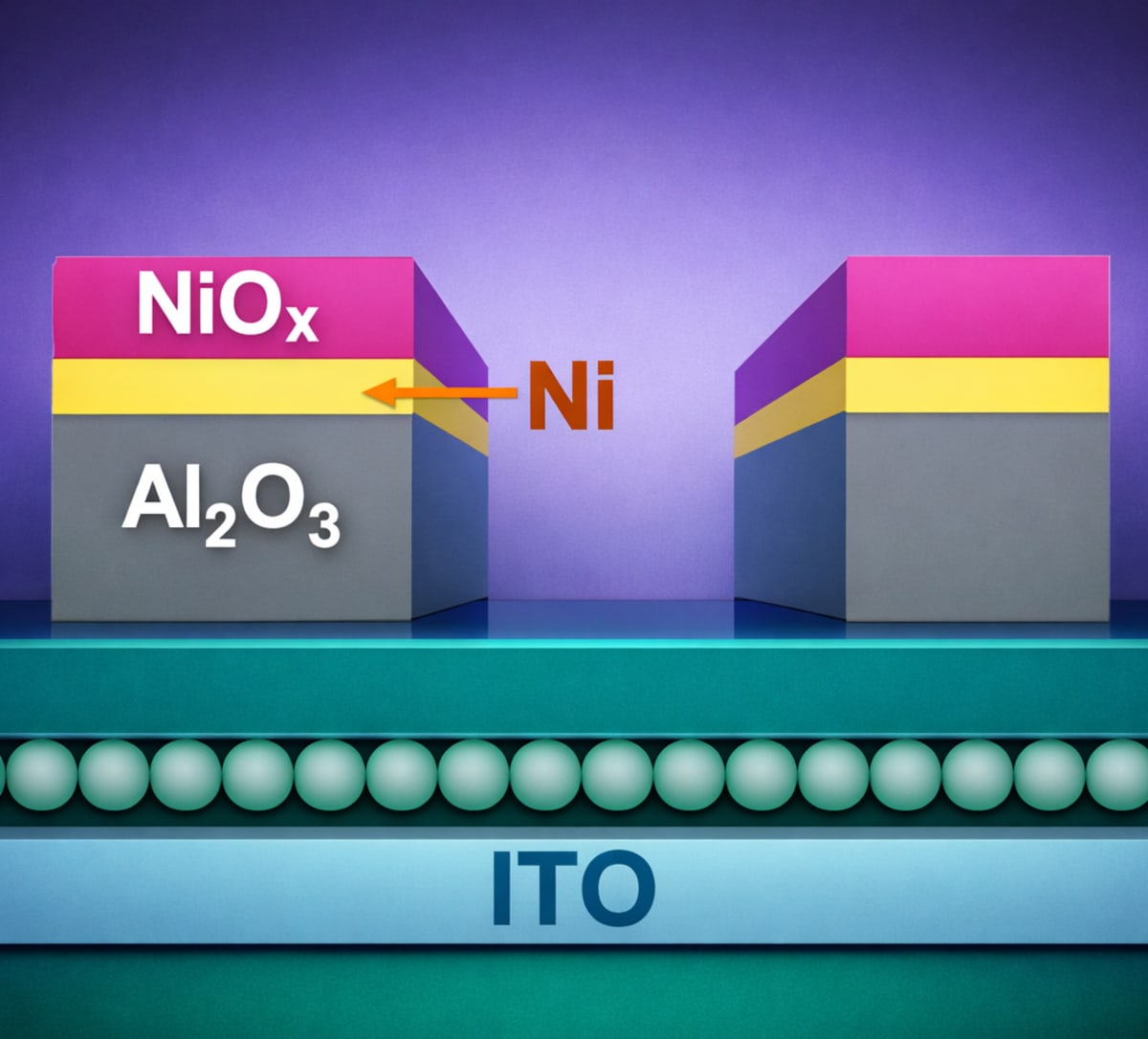
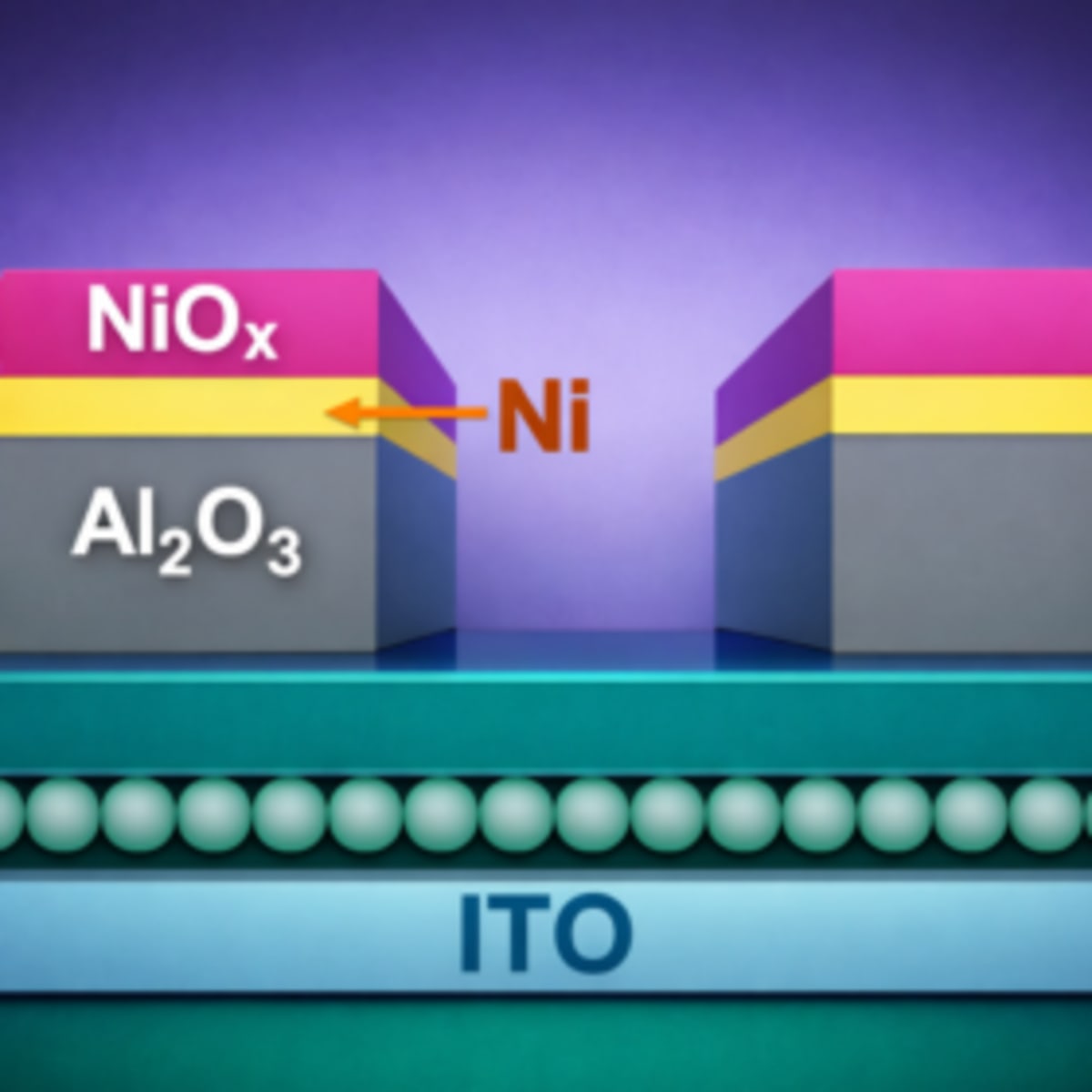
The team's innovation centers on a bilayer tin oxide coating that helps electrons flow more smoothly through the cell. Instead of using one type of material, they combined nanoparticle and sol-gel layers using a straightforward spin-coating method that labs and manufacturers can easily adopt.
The results speak for themselves. The bilayer design generated an average photocurrent of 33.67 picoamperes, crushing the single-layer versions that managed only 26.69 and 14.65 picoamperes. Overall power efficiency jumped to 4.52%, a 208% improvement over the weakest performer.
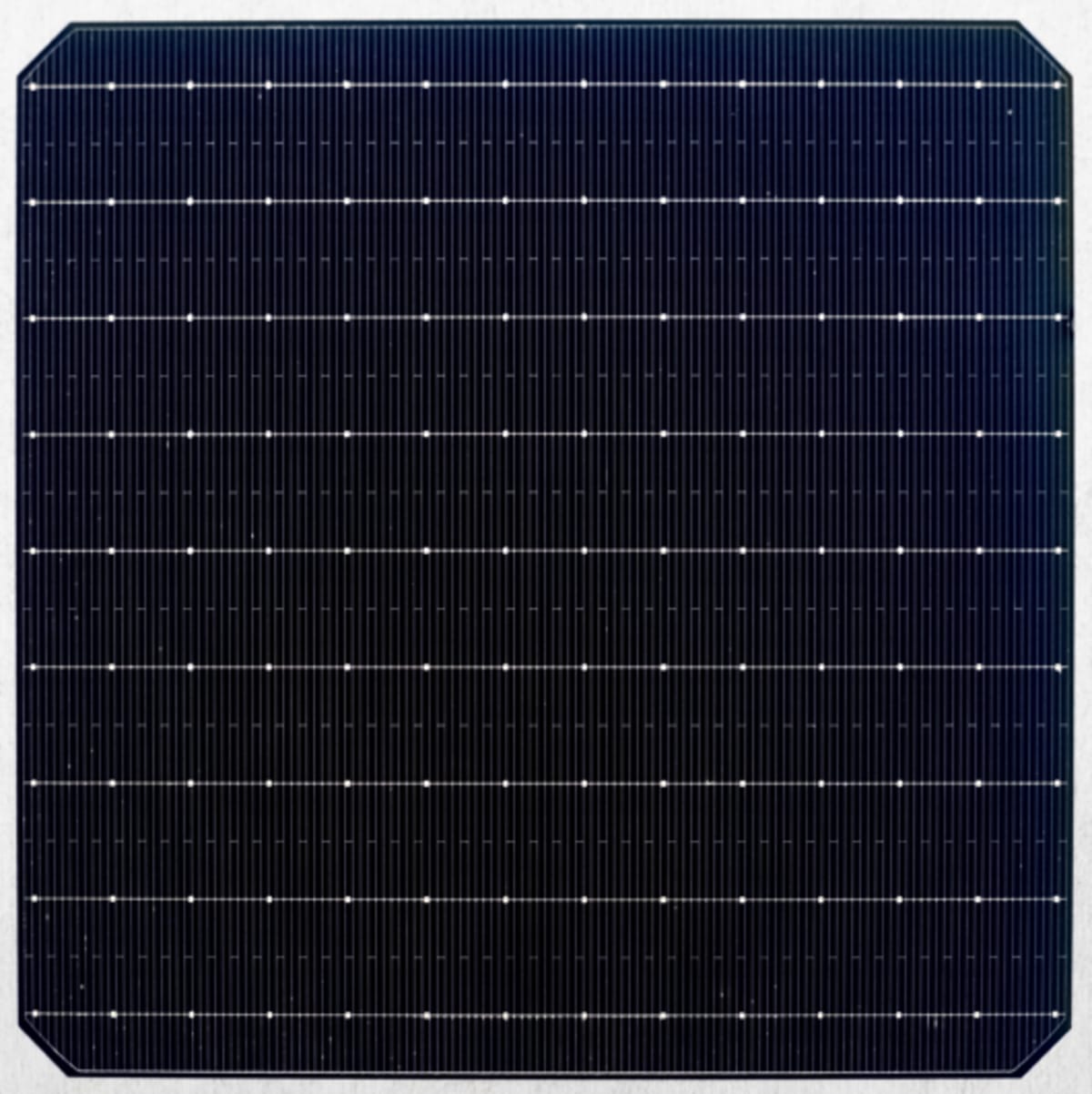
What makes this particularly exciting is the back-contact architecture itself. Traditional solar panels lose efficiency because metal electrodes on the front surface block incoming light. These cells collect all their electrical charge from the rear, letting sunlight hit the active layer without any obstruction.
The researchers arranged positive and negative electrodes in an interdigitated pattern at the back, like interlocking fingers. Light enters from the top while electrons and holes travel sideways to their respective collection points. A protective coating reduces energy loss and extends the cell's working life.
The Ripple Effect
This advancement arrives at a crucial moment for renewable energy expansion. Perovskite cells can be manufactured at lower temperatures than silicon panels, requiring less energy and potentially lowering costs. Their flexibility opens doors for applications impossible with rigid traditional panels, from curved building surfaces to portable power solutions.
Associate Professor Min Kim chose tin oxide specifically because its energy levels align perfectly with perovskite materials, creating smoother pathways for electricity. The bilayer approach enhances that natural compatibility while suppressing the charge recombination that wastes captured energy.
The team believes their findings will accelerate practical deployment of back-contact perovskite technology. Large-area solar modules could benefit immediately from the scalable design, while the improved stability addresses one of the biggest concerns about perovskite durability in real-world conditions.
The research appears in the Journal of Power Sources, adding to the growing body of evidence that perovskite cells are moving from laboratory curiosity to viable commercial technology.
Another bright step forward in humanity's race toward sustainable energy.
More Images
Based on reporting by PV Magazine
This story was written by BrightWire based on verified news reports.
Spread the positivity!
Share this good news with someone who needs it