Korean Scientist's 'Dream Solar Cell' Powers AI's Future
A South Korean professor transformed solar cell technology into a solid-state breakthrough now sought after by SpaceX and AI data centers. His innovation could solve the energy crisis powering the artificial intelligence revolution.
The solar cells powering tomorrow's AI revolution got their start in a South Korean lab, and now the world's biggest tech companies are racing to use them.
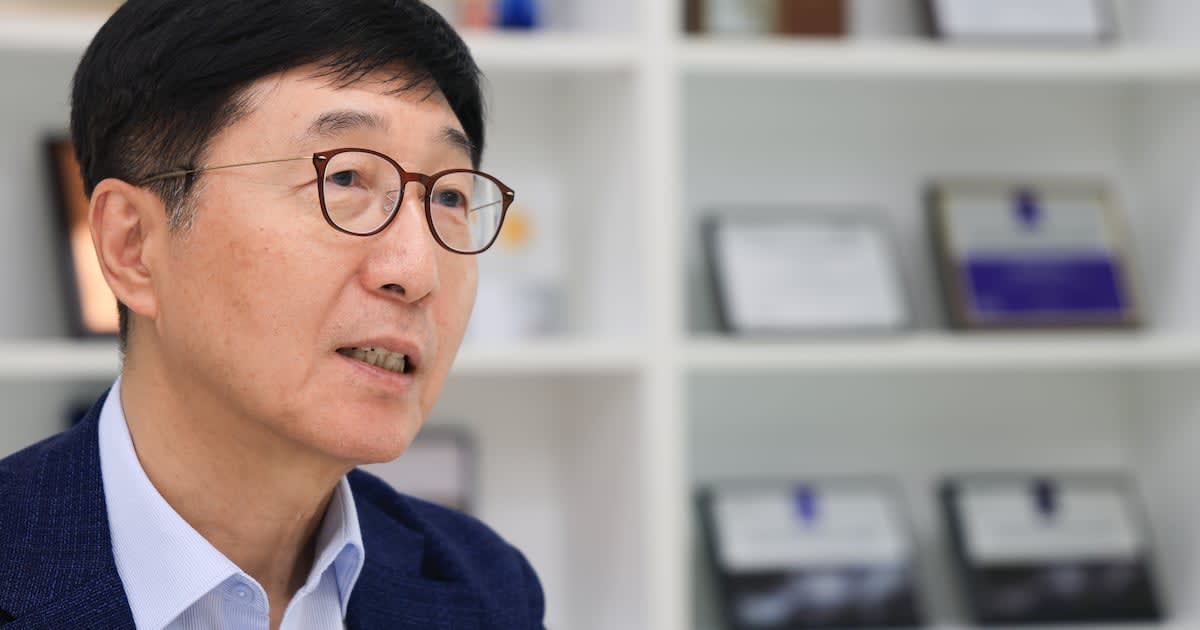
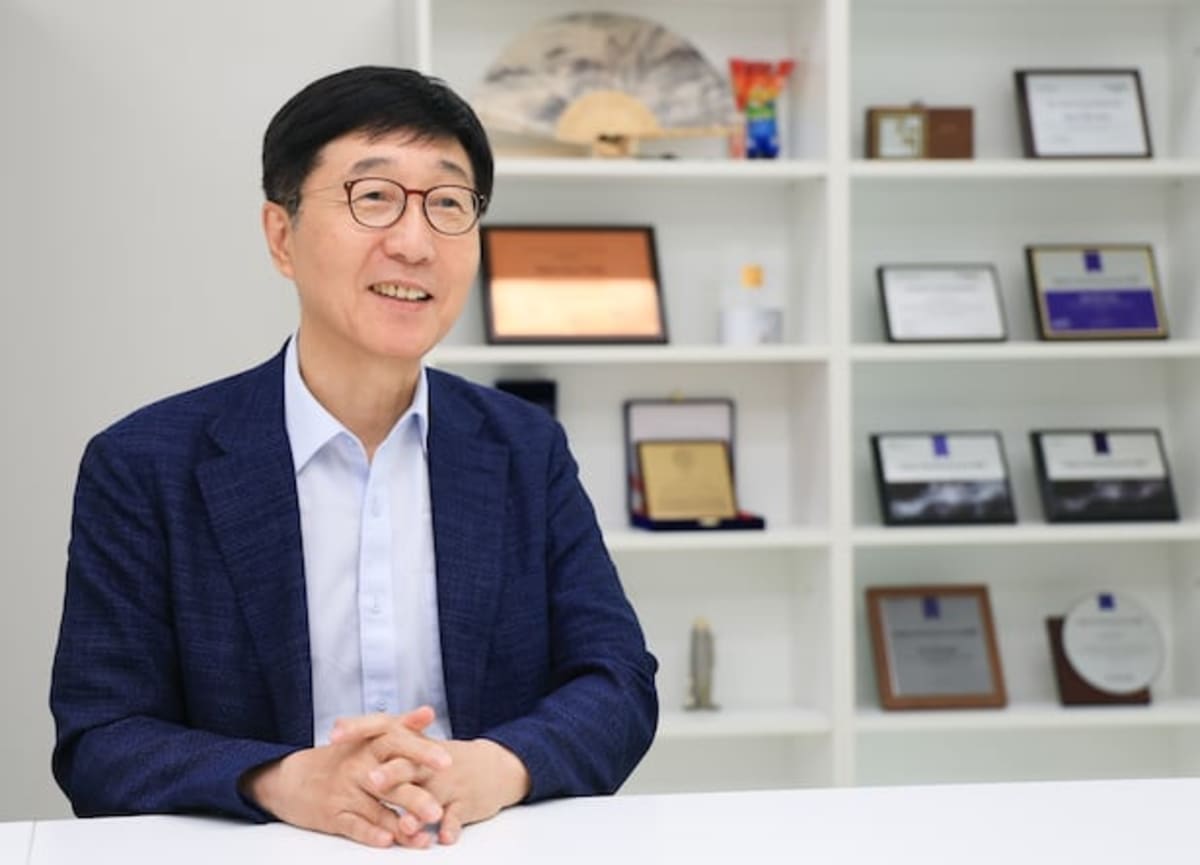
Professor Park Nam-gyu didn't set out to revolutionize energy. The 66-year-old researcher at Sungkyunkwan University wanted to study superconductors, but his advisor steered him toward perovskite materials instead. That disappointment turned into a breakthrough that's now catching fire as companies like SpaceX search for lightweight power solutions.
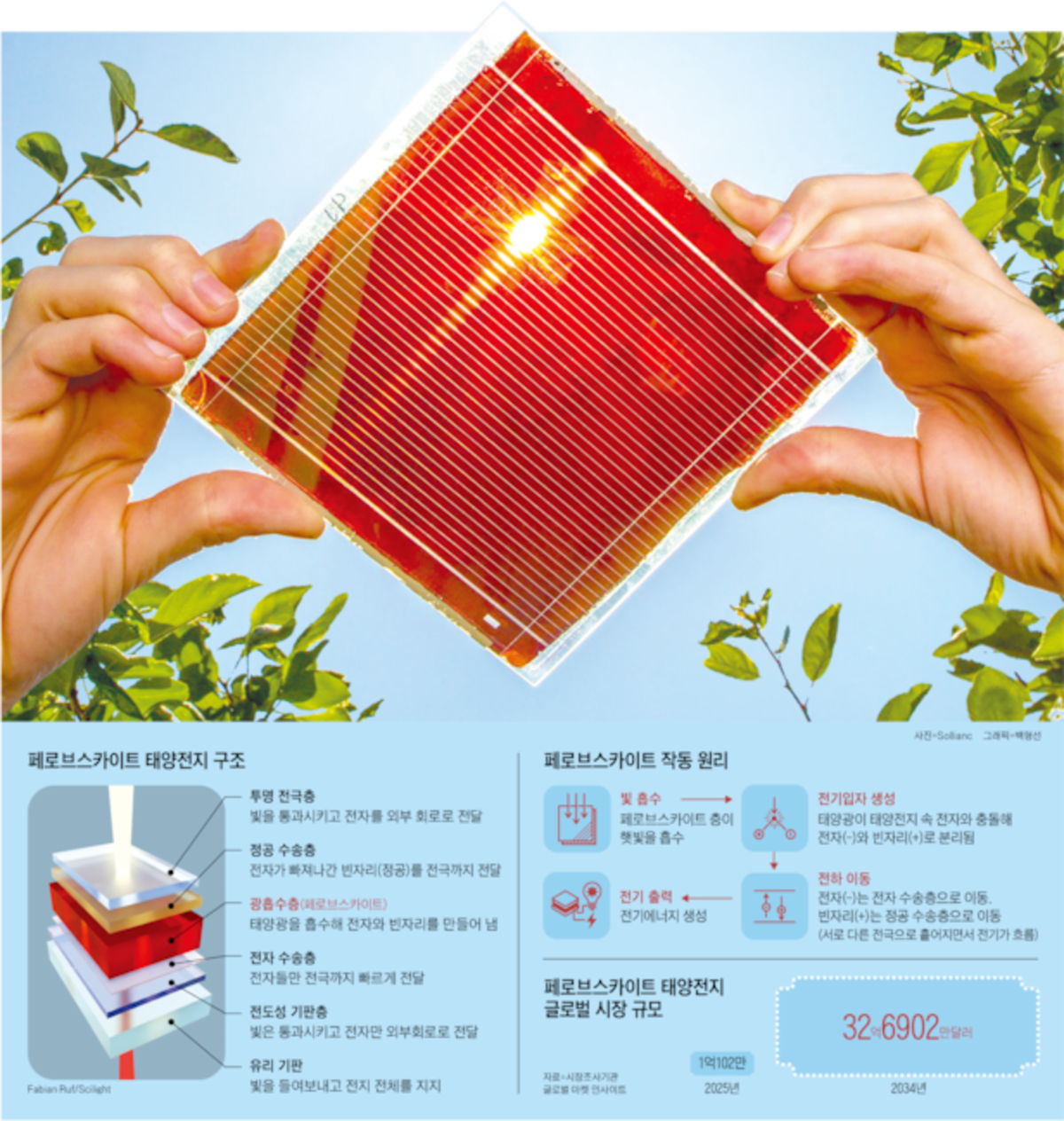
In 2012, Park transformed perovskite from an impractical liquid into a solid-state structure that could actually work as a solar cell. The upgrade boosted both efficiency and stability, sparking a global research explosion. Today, with AI data centers devouring electricity and the space industry demanding lighter satellites, his "dream solar cells" have become essential technology.
Elon Musk recently highlighted perovskite as critical for building AI data centers in space. The timing makes sense: artificial intelligence needs massive computing power, which requires enormous amounts of electricity. Traditional solar cells are too heavy for satellites and not efficient enough for the AI boom. Perovskite checks both boxes.
Park sees the energy challenge clearly. "AI's importance is clear. It relies on data and requires data centers, which consume massive electricity," he told reporters at his Suwon campus. His solar cells offer the lightweight, efficient power that satellites need for data transmission and operations.
The Ripple Effect spreads far beyond space. China has already built gigawatt-scale factories for perovskite-silicon tandem cells, layering the materials to split light wavelengths and boost efficiency even further. The commercialization race is on, with China moving fast and Korea positioning itself through quality and innovation.
Park's strategy for Korean success? Go all-in on excellence. "K-pop and K-food are successful worldwide because of their quality. K-solar must also demonstrate overwhelming quality," he explained. While China focuses on tandem cells, Korea could advance single-cell technology as a competitive edge.
The professor's journey shows how detours lead to destinations. What felt like a disappointing research assignment became world-changing work. He's been selected as a top 1% researcher for eight consecutive years and won major awards including Italy's ENI Award and Korea's Top Scientist honor.
Now Park looks ahead to finding even better materials than perovskite and returning to his first love: room-temperature superconductors. Both quests share the same goal: solving the future of energy. His advice to young scientists reflects lessons learned: promote your work internationally and show up at conferences to elevate Korea's scientific standing.
Commercialization is coming soon, and Park stays focused on the work rather than Nobel Prize speculation. The real prize is already here: clean energy technology that can power humanity's next giant leap forward.
More Images

Based on reporting by Regional: south korea technology (KR)
This story was written by BrightWire based on verified news reports.
Spread the positivity!
Share this good news with someone who needs it