Korean Scientists Hit 26.7% Efficiency in Solar Breakthrough
South Korean researchers just set a world record for solar cell efficiency that could make renewable energy lighter, cheaper, and more flexible than ever. The breakthrough brings us one step closer to solar panels that can go anywhere.
Scientists at Korea's Institute of Energy Research have achieved something remarkable: a solar cell that converts 26.7% of sunlight into electricity, setting a new world record for this type of technology.
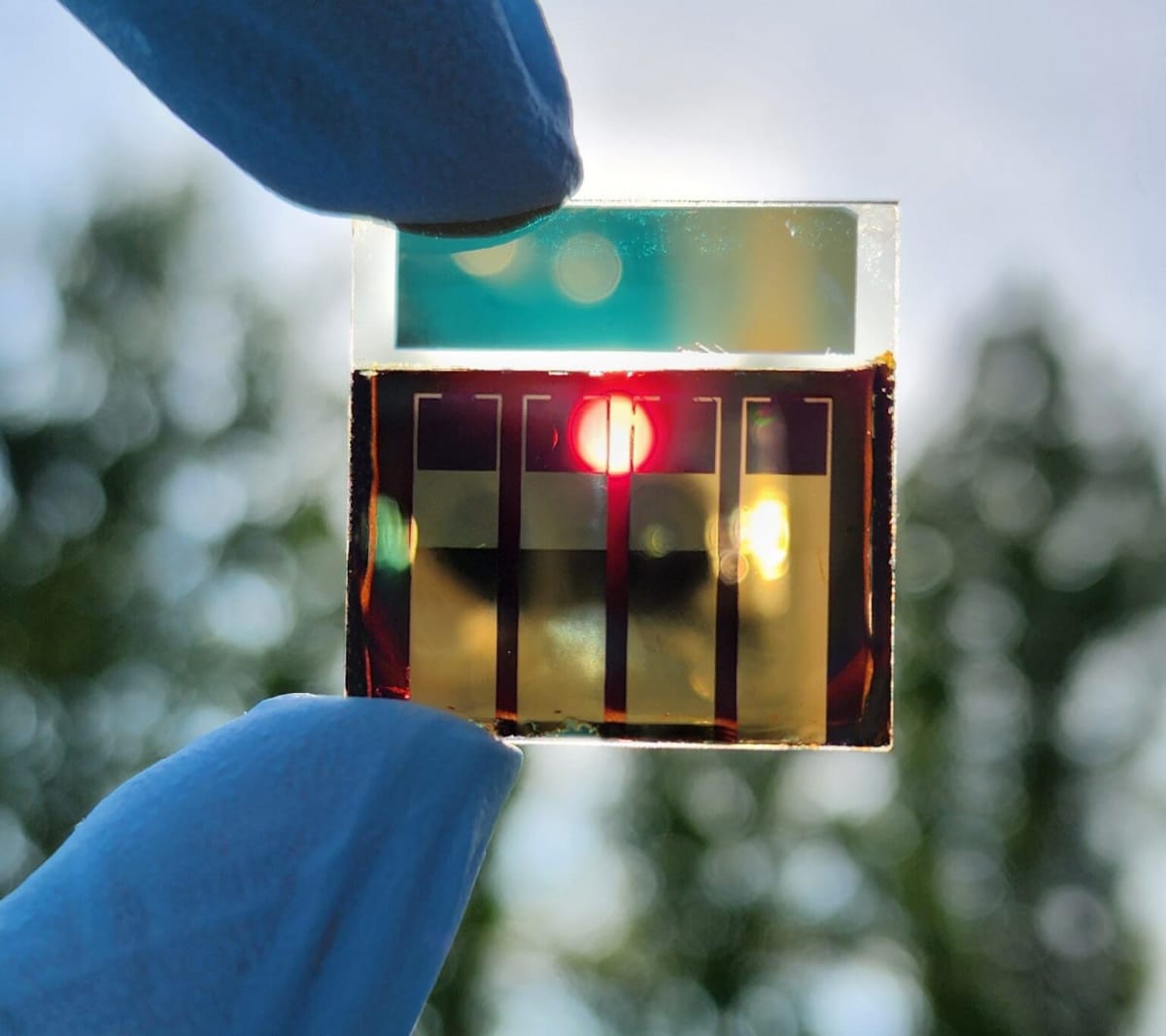
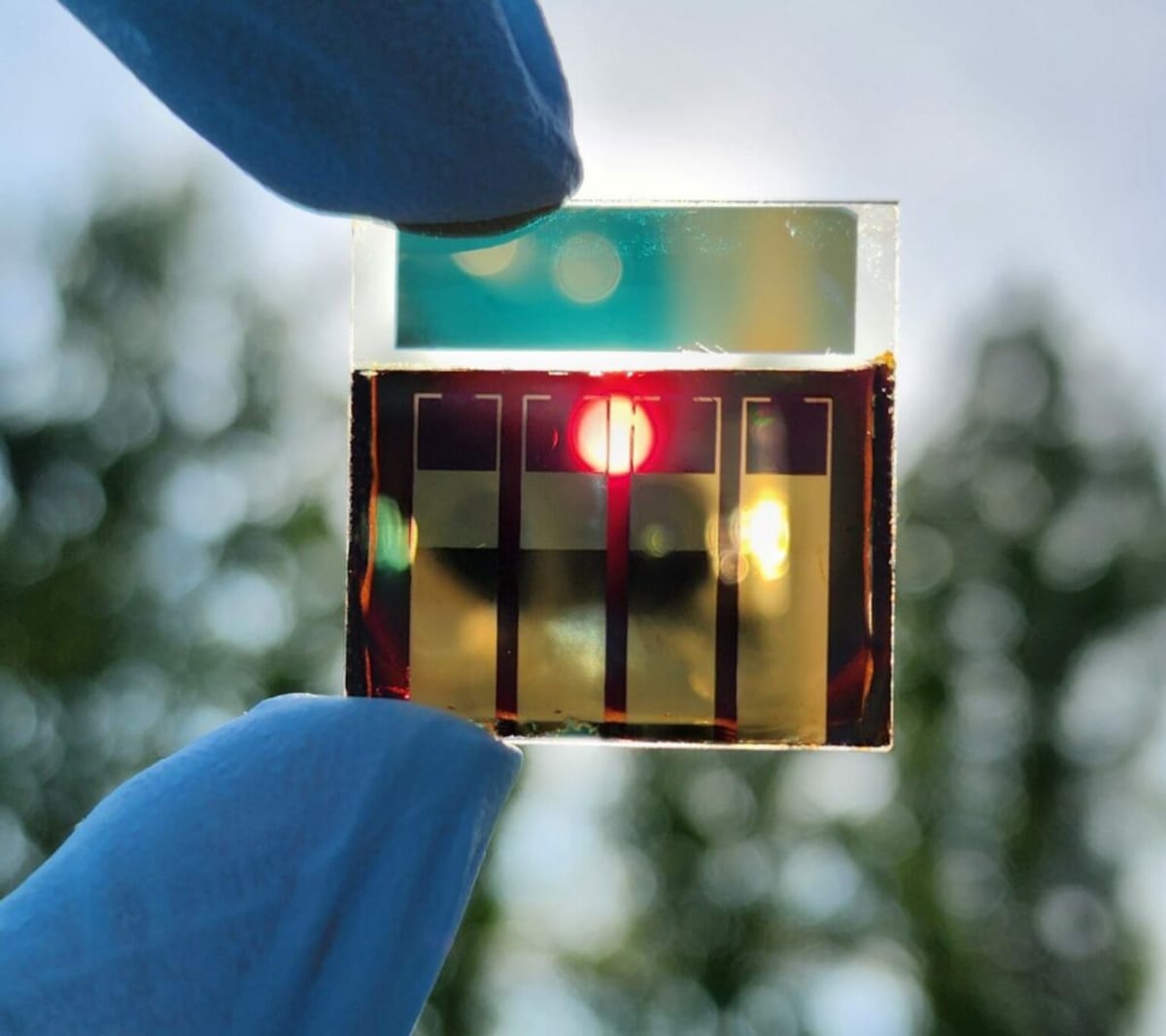
The breakthrough involves stacking two different types of solar materials—perovskite and CIGS—into a single cell smaller than a postage stamp. Germany's Fraunhofer Institute independently verified the results, and the US Department of Energy has officially recognized it as the new world record.
What makes this achievement special isn't just the number. Both materials can be made into thin, lightweight films, opening the door to flexible solar panels that could be installed on surfaces impossible for traditional rigid panels.
The real challenge was getting these two materials to work together without destroying each other. When you combine perovskite and CIGS layers, the perovskite tends to degrade, and some layers absorb light that should be generating electricity.
The Korean team spent months analyzing exactly where energy was being lost. They developed new interface materials that protect the delicate perovskite layer and redesigned the transparent electrode to let more light through to the energy-generating layers below.
Their laboratory tests actually showed even higher efficiency at 27%, though the official record stands at the independently verified 26.7%. Lead researcher In-Young Jeong emphasized that having global certification bodies confirm the results proves the technology is competitive and ready for real-world development.
The previous record was 26.3%, also set by a Korean research institute just months ago in July 2025. For larger cells over one square centimeter, German researchers currently hold the record at 25.5%, though they've hinted at achieving 27.5% in unofficial tests.
The Ripple Effect
Every percentage point matters more than it sounds. Higher efficiency means fewer panels needed to power a home, lower costs for consumers, and less space required for solar farms. The lightweight, flexible nature of these materials could bring solar power to vehicles, portable devices, and buildings where traditional panels won't work.
South Korea's rapid progress in this field—setting multiple world records in a single year—signals that the global race for better solar technology is accelerating, and renewable energy keeps getting more practical and accessible for everyone.
This breakthrough represents one more step toward a future where clean energy isn't just the right choice but the easiest one.
More Images


Based on reporting by Google News - Solar Power Record
This story was written by BrightWire based on verified news reports.
Spread the positivity!
Share this good news with someone who needs it