Korean Scientists Hit 26.7% Solar Cell Efficiency Record
South Korean researchers just broke the world record for next-generation solar technology, achieving 26.7% efficiency in a new type of ultra-thin solar cell. The breakthrough could lead to flexible, lightweight solar panels that work better than anything available today.
Scientists at Korea's Institute of Energy Research just proved that the solar panels of tomorrow can be thinner, lighter, and more powerful than ever before.
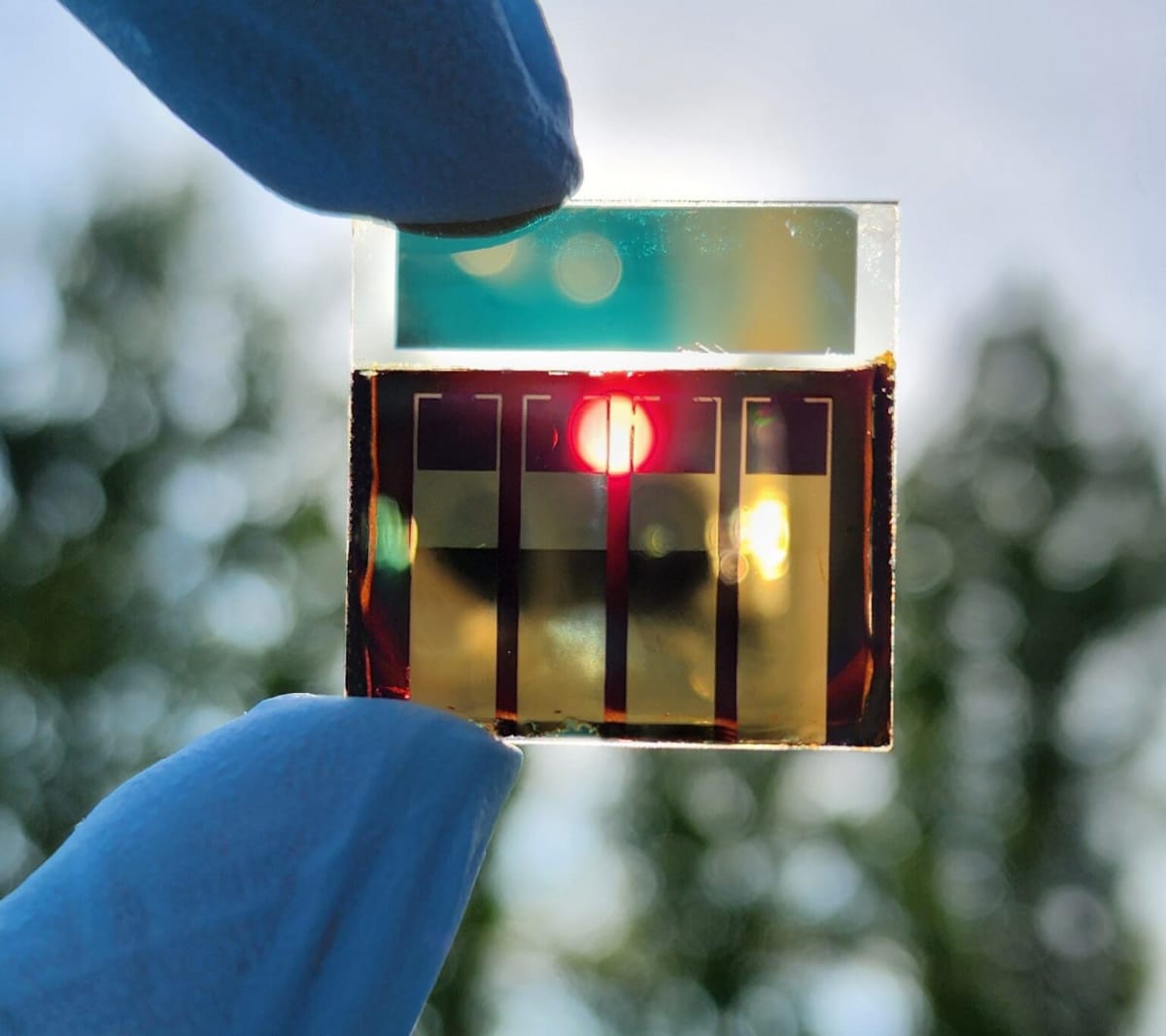
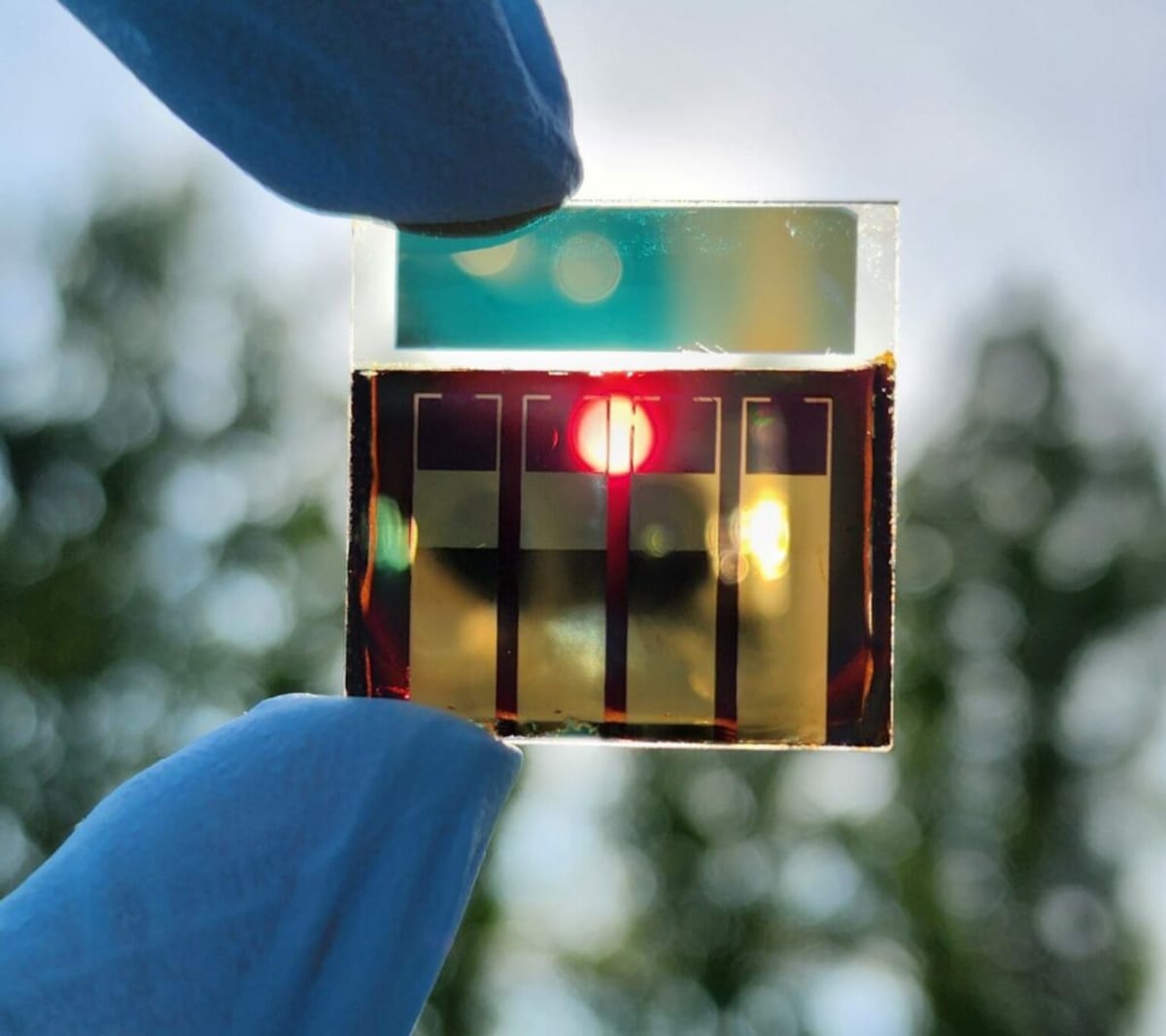
The team achieved a world record 26.7% efficiency rating for a tandem solar cell smaller than your thumbnail. Germany's Fraunhofer Institute confirmed the results, which now appear on the US Department of Energy's official chart of research champions.
What makes this special? The cell combines two light-absorbing materials—perovskite and CIGS—into an ultra-thin sandwich that captures more energy from sunlight than either material could alone. Both layers are thin films, meaning future solar panels could bend and flex while still delivering serious power.
Getting there wasn't easy. When you stack these materials together, they can damage each other and waste precious sunlight. The Korean team spent months analyzing every point where energy leaked away.
Their solution involved creating new interface materials that protect the delicate perovskite layer during manufacturing. They also redesigned the top electrode and charge transport layer to let more light through instead of absorbing it wastefully.
Lead researcher In-Young Jeong emphasized the dual victory: better efficiency and better stability. The team's lab measurements even hit 27%, though that higher number awaits official certification.
The Ripple Effect
This record doesn't just beat South Korea's previous 26.3% mark from July 2025. It signals that flexible, efficient solar technology is moving from lab curiosity to real possibility.
Traditional silicon solar panels are rigid and heavy. These new tandem cells could cover curved surfaces, integrate into building materials, or power devices that move. Imagine solar panels that roll up like a yoga mat or conform to the roof of an electric car.
Other research teams worldwide are chasing similar goals. Germany's Helmholtz-Zentrum Berlin holds the record for larger tandem cells at 25.5%, but their researchers have already tested designs reaching 27.5% in-house.
The race is heating up, and each new record pushes the technology closer to commercial reality. As efficiency climbs and manufacturing techniques improve, these lightweight solar cells could bring clean energy to places traditional panels can't reach.
Every percentage point matters because it means more power from less material, lower costs, and faster adoption of renewable energy. Today's laboratory record could become tomorrow's rooftop revolution.
More Images


Based on reporting by PV Magazine
This story was written by BrightWire based on verified news reports.
Spread the positivity!
Share this good news with someone who needs it