Korean Tech Turns Idle Uzbek Greenhouse Into Export Hub
A forgotten greenhouse in Uzbekistan is now growing 75,000 strawberry plants using Korean smart farming technology, creating jobs and exporting premium fruit across Central Asia. The project proves that innovation can breathe new life into abandoned infrastructure.
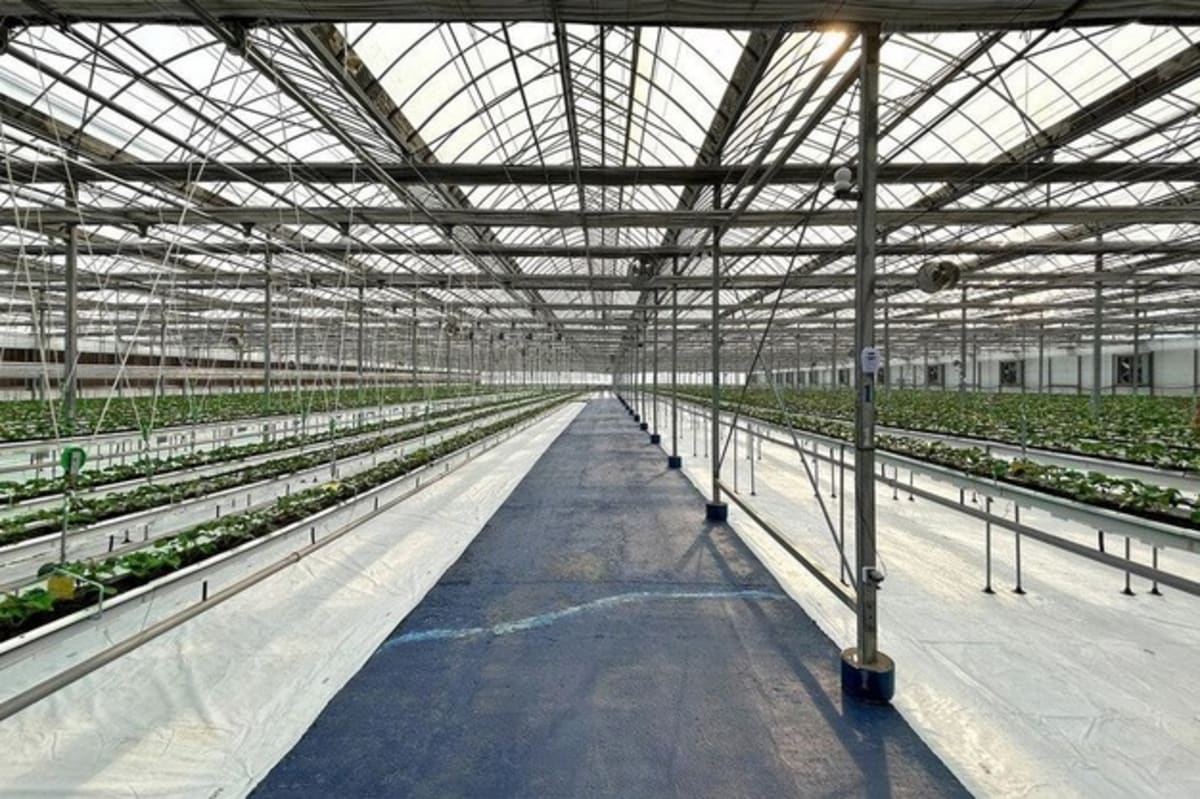
An abandoned greenhouse outside Tashkent has transformed into a thriving strawberry farm that's now feeding markets across Russia and Kazakhstan. Thanks to Korean smart farming technology, the 1.5-hectare facility went from idle to producing 30,000 kilograms of premium strawberries in its first shortened season alone.
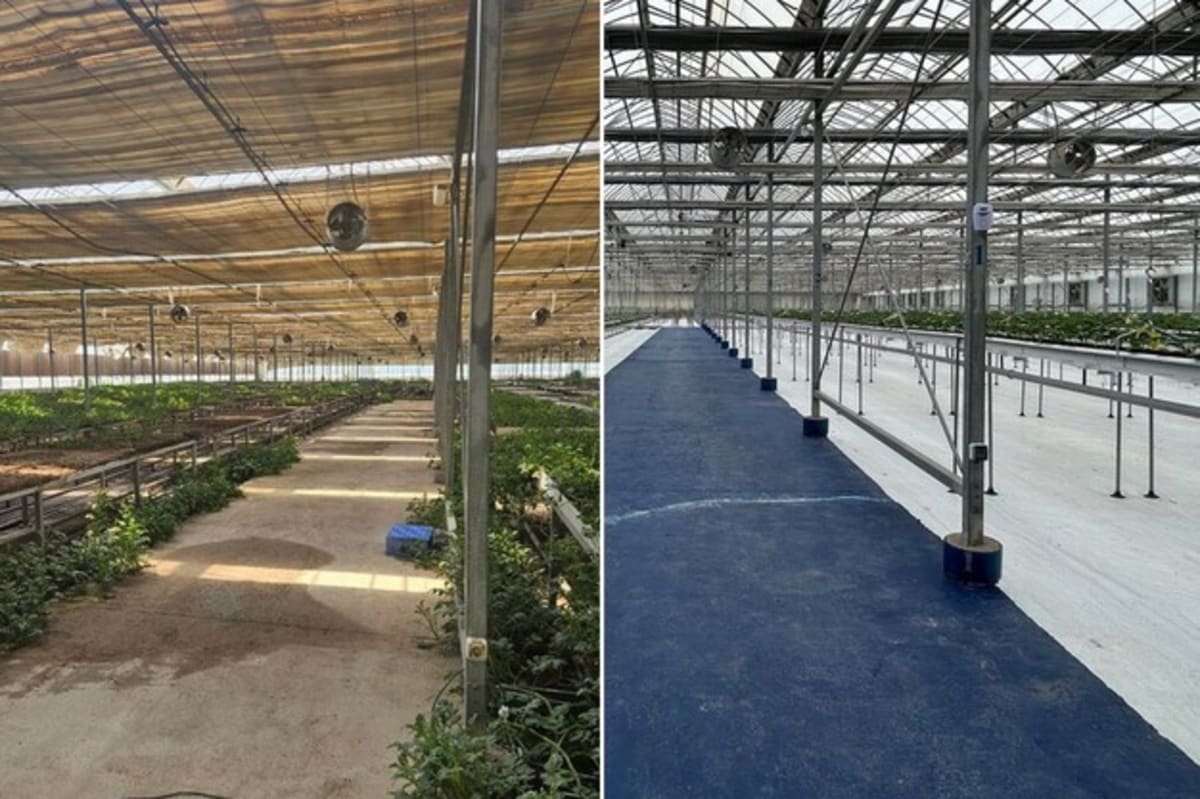
The project started when Korean company Firmmit saw potential where others saw only empty glass and overgrown beds. Instead of building from scratch, they converted the forgotten facility in Uzbekistan's Yukorichirchik district into a high-tech hydroponic operation.
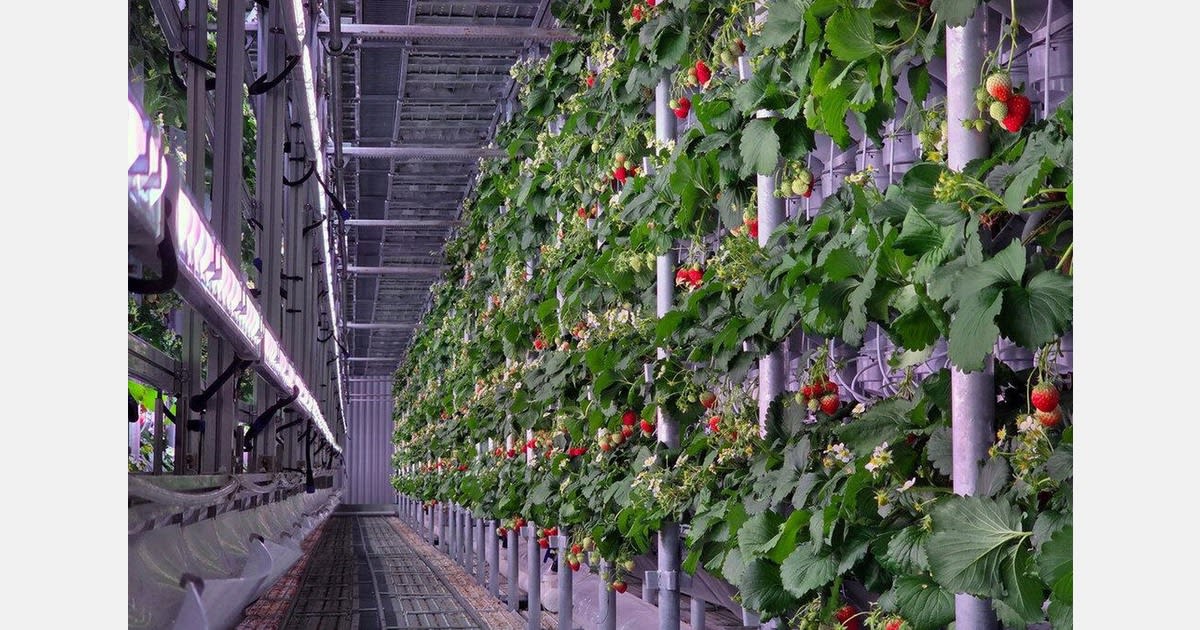
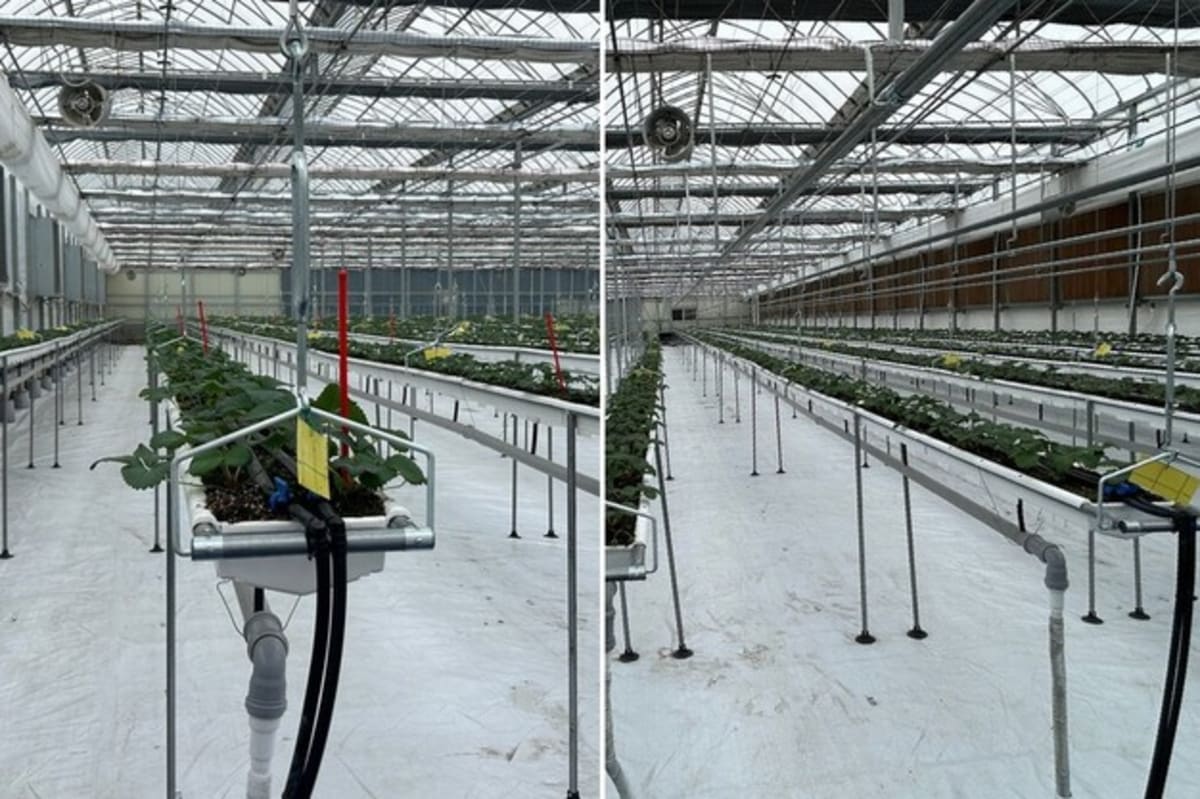
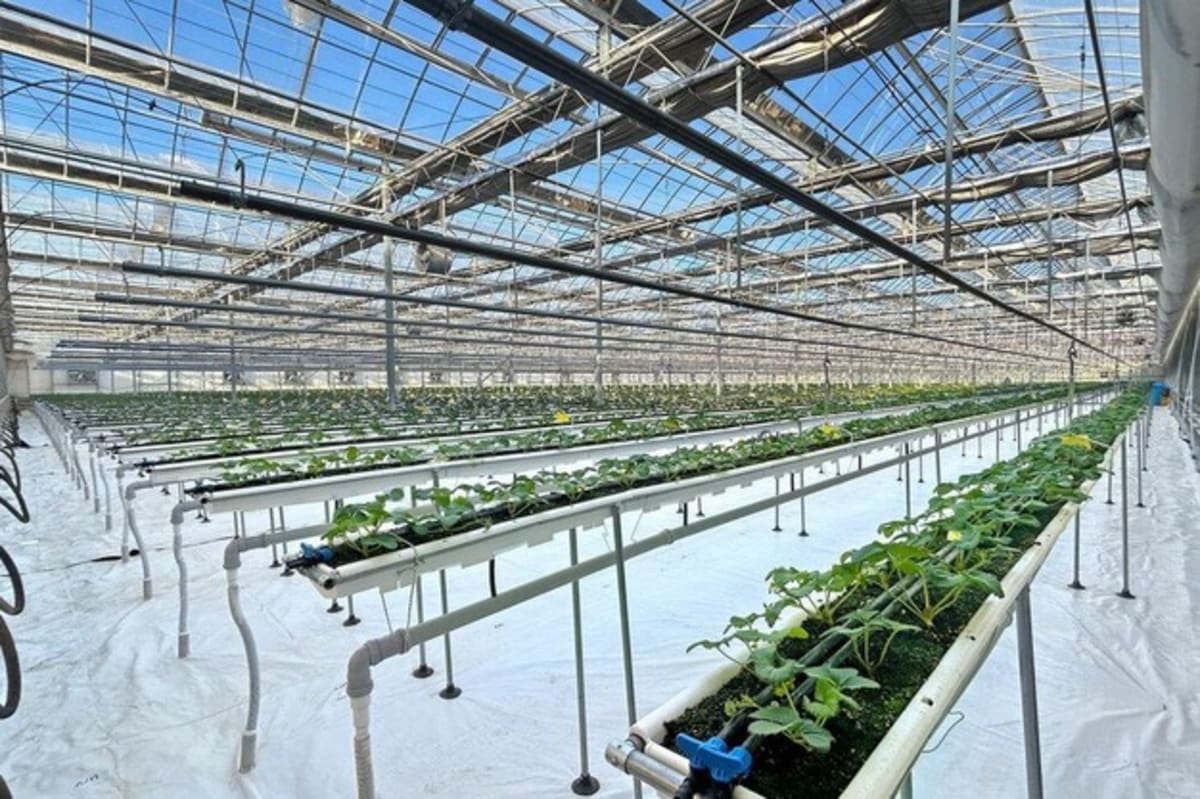
Now 75,000 strawberry plants grow without soil, fed by a precision system that delivers exactly the right nutrients at exactly the right time. The technology uses coconut fiber and drip irrigation to give each plant what it needs, eliminating diseases and the challenges of inconsistent soil quality that plague traditional farming in the region.
What makes this greenhouse truly special is its brain. A network of sensors constantly monitors temperature, humidity, carbon dioxide, and light levels, feeding data to an AI system called FINO that adjusts nutrition in real time. Sun Kee Park, CEO of Firmmit, can monitor and control the entire operation remotely from Korea.
The results speak for themselves. Despite starting late, the first harvest generated nearly $477,000 in revenue with a 76.4% profit margin. The strawberries consistently measured between 15.5 and 16.8 g/mm² in firmness, with sugar levels reaching up to 13.0 Brix, sweet enough to command premium prices without needing expensive artificial lighting.
Under full production, the greenhouse is projected to yield up to 112,500 kilograms annually. That's 1.2 to 1.5 kilograms per plant, with 83% meeting the strict quality standards of high-end grocery chains.
The Ripple Effect
This project does more than grow strawberries. Uzbekistan enjoys over 2,700 hours of sunshine annually, meaning farmers can achieve high sugar content naturally without the energy costs that plague greenhouse operations in cloudier countries. The country sits perfectly positioned between major markets, offering efficient logistics to millions of consumers.
Firmmit is now partnering with Uzagrostar Xolding to expand production and build cold chain infrastructure. The goal is positioning Uzbekistan as Central Asia's premium strawberry supplier, creating jobs and economic opportunity in a region hungry for agricultural innovation.
The company tests new growing strategies in their vertical farming facility in South Korea before deploying them internationally. This allows them to validate techniques in controlled conditions, then adapt them to work in natural light greenhouses across different climates.
Future plans include timing harvests to hit peak market demand and expanding nursery operations for faster planting cycles. Each improvement brings the vision closer: turning underused infrastructure into engines of economic growth.
One forgotten greenhouse is now a beacon showing how technology, smart investment, and innovative thinking can turn idle assets into thriving businesses that feed regions and create prosperity.
More Images
Based on reporting by Regional: south korea technology (KR)
This story was written by BrightWire based on verified news reports.
Spread the positivity!
Share this good news with someone who needs it