Korean Workers Win Voice in Robot Hiring at Hyundai
Thousands of South Korean auto workers just secured the right to approve which robots join their assembly lines. Their four-hour daily strike is showing the world how labor and technology can move forward together.
When Hyundai announced plans to deploy 25,000 humanoid robots across its factories, workers at one Korean plant didn't panic or give up. They organized, voted, and stood their ground until management had to listen.
Thousands of union members at the Korean Metal Workers' Union launched a historic partial strike in late June, refusing to work four hours each shift. The action marks the first major labor mobilization specifically over humanoid robotics deployment, setting a precedent for workers worldwide facing similar automation challenges.
The stakes were high on both sides. The strike disrupted production of roughly 5,000 cars and could cut $135 million from Hyundai's sales revenue. But workers understood something crucial: negotiate now, before the robots arrive, or lose leverage forever.
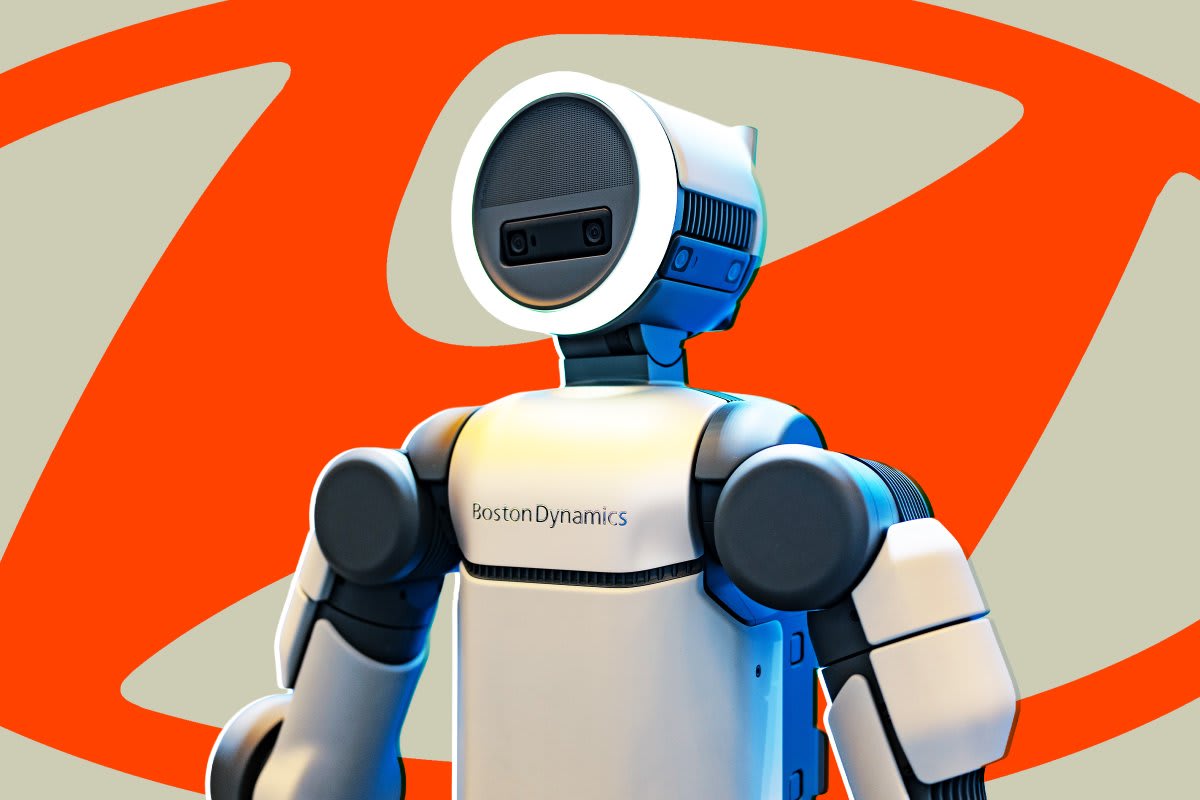
The robots in question are impressive. Boston Dynamics' Atlas models stand over six feet tall and can lift 110 pounds each. But their physical capabilities weren't what worried workers most. The real concern was having no say in decisions that would reshape their livelihoods.
Lead negotiator Byun Jun-hwan explained the union's thinking simply: "We have to prepare to ensure there are safeguards in place." Rather than opposing technology outright, workers demanded a seat at the table when deployment decisions get made.
Their specific requests show a forward-thinking approach. The union wants job security guarantees that account for AI and automation, performance bonuses reflecting company profits, a shift from hourly wages to fixed salaries, and most importantly, final approval rights over any humanoid robot deployment.
The Bright Side
This strike reveals something hopeful about the future of work. Instead of humans versus machines, we're watching a real-time negotiation about how technology enters the workplace responsibly.
The workers aren't rejecting innovation. They're insisting that progress include protections for the people who've built the company's success. That's not resistance to change. That's wisdom about how lasting change happens.
Their approach could become a model for other industries facing similar crossroads. When companies and workers collaborate on automation decisions, both benefit from smoother transitions and maintained trust.
The union has kept escalation options available, showing they're serious about their demands. But by starting with partial action rather than full shutdown, they've also left room for productive dialogue.
This moment proves that workers facing technological disruption have more power than they might think, especially when they organize early and negotiate from strength rather than desperation.
More Images
Based on reporting by Futurism
This story was written by BrightWire based on verified news reports.
Spread the positivity!
Share this good news with someone who needs it