Kuwait Divers Remove 100+ Tons of Plastic From Coastlines
Kuwaiti volunteer divers have pulled more than 100 tons of plastic waste and debris from marine habitats across the country, cleaning critical breeding grounds for ocean life. The Environmental Voluntary Foundation's diving team is turning the tide on pollution one coastline at a time.
Kuwaiti volunteer divers are proving that dedicated people can make massive change, having removed over 100 tons of plastic waste from their country's endangered coastlines and waters.
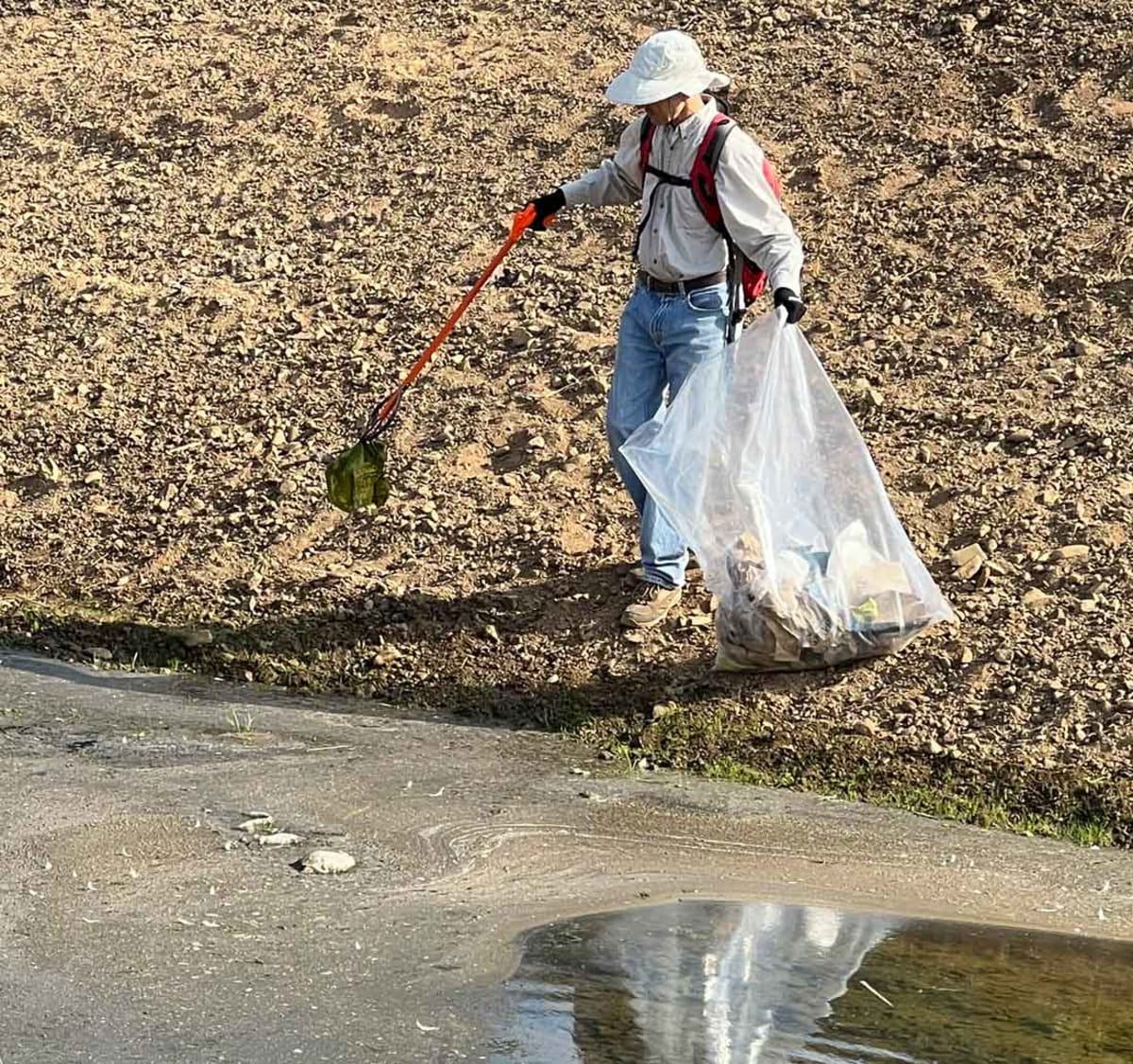
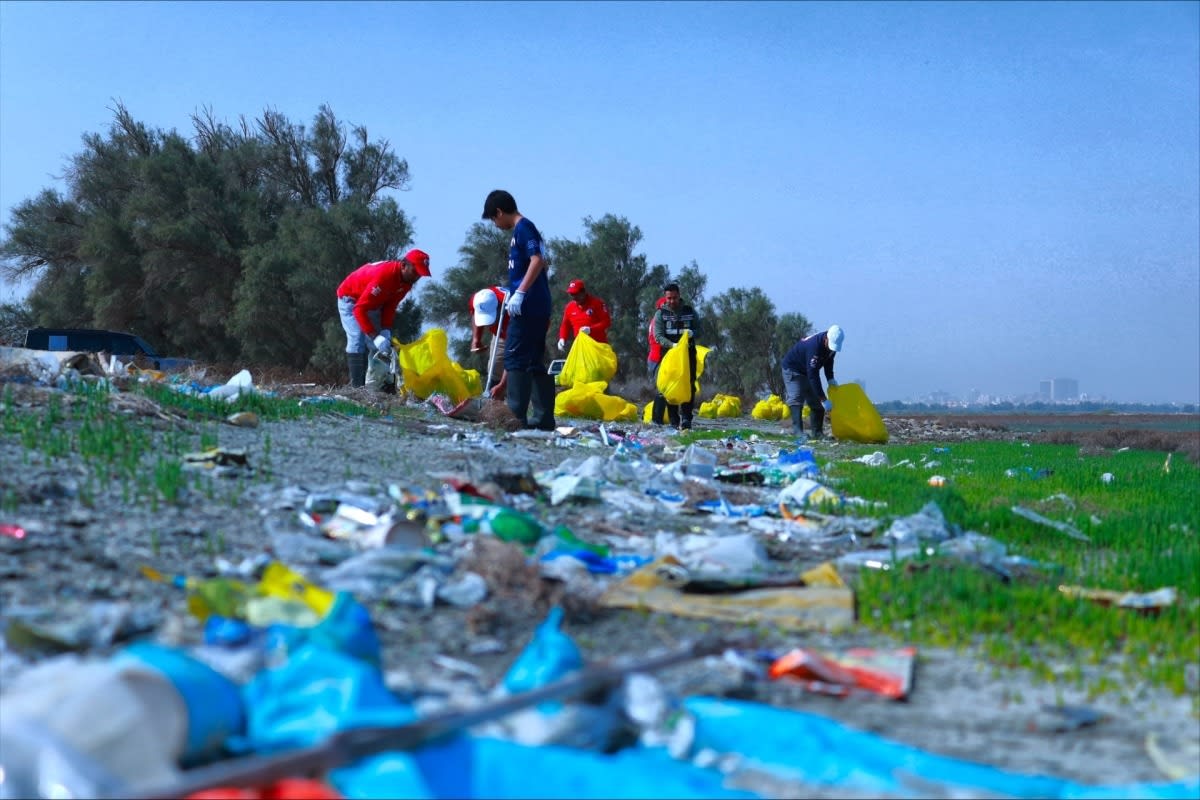
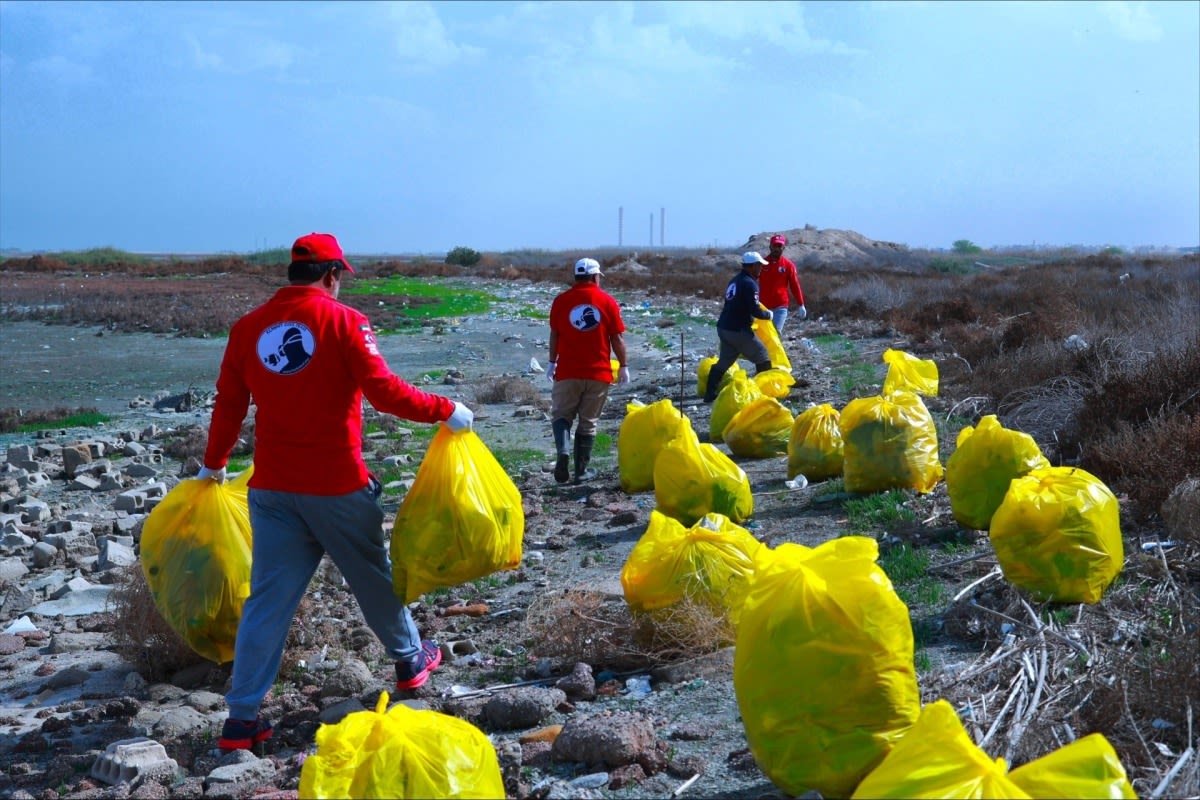
The Environmental Voluntary Foundation's diving team has spent months cleaning Kuwait's most critical marine habitats. In their latest campaign alone, they hauled four tons of plastic waste, abandoned fishing nets, and debris from Kuwait Bay's southern area, a vital breeding ground where young sea creatures start their lives.
The numbers tell an impressive story of persistence. The volunteers removed eight tons of waste from the Ashirj coast and nearly 90 tons of discarded materials and damaged boats from Fahaheel's shoreline. Youth volunteers pitched in too, clearing one ton from the Jahra Nature Reserve coastline.
Mahmoud Ashkanani, the team's environmental projects officer, says they work year round because the problem doesn't take breaks. He explains that plastic pollution threatens not just fish and marine animals, but the entire ecosystem that humans depend on for food and coastal protection.
The team has identified the main culprits: floodwaters carrying trash, sewage discharge, and littering by beachgoers and fishermen. Their field observations paint a clear picture of where the pollution originates, which helps target future prevention efforts.
The Ripple Effect
This cleanup work extends far beyond removing eyesores from beaches. By clearing abandoned fishing nets, the divers prevent "ghost fishing" where marine animals get trapped and die in forgotten equipment. Removing plastic before it breaks down into microplastics protects the food chain from contamination that eventually reaches human plates.
The foundation isn't just cleaning up after pollution. They're calling for faster implementation of deep sewer systems to stop pollutants at the source and stricter enforcement of environmental laws. Their combination of direct action and advocacy creates a blueprint other coastal communities can follow.
Youth involvement in the Jahra Nature Reserve cleanup shows the next generation stepping up. When young people see immediate results from environmental action, they're more likely to become lifelong ocean protectors.
The team's message to Kuwait residents is simple: reduce single-use plastics and support recycling initiatives. Every plastic bag refused and every bottle recycled means less work for future cleanup crews and healthier oceans for marine life.
These divers are showing the world that environmental damage isn't permanent when communities decide to fight back.
More Images

Based on reporting by Google News - Plastic Reduction
This story was written by BrightWire based on verified news reports.
Spread the positivity!
Share this good news with someone who needs it