Kyrgyzstan Builds $1.4B Solar Plant for 3.6B kWh Annually
Kyrgyzstan is constructing one of Central Asia's largest solar power plants, set to generate 3.6 billion kilowatt-hours of clean energy annually by 2028. The massive project could transform the nation's energy security while slashing carbon emissions.
A landlocked nation in Central Asia is about to become a renewable energy powerhouse, proving that even the smallest countries can lead big climate solutions.
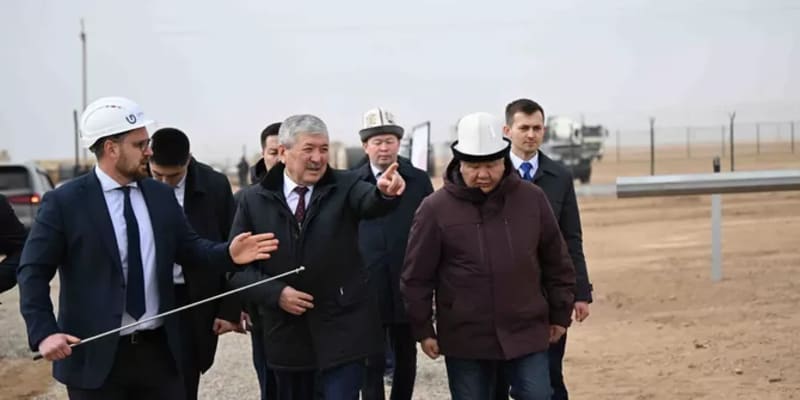
Kyrgyzstan broke ground on the Issyk-Kul-1 Solar Power Plant in September 2025, and construction is now racing forward in the village of Kyzyl-Oruk. Prime Minister Adylbek Kasymaliev recently visited the site to review progress on what will become one of the country's largest clean energy projects.
The numbers tell an incredible story. When complete in 2028, the facility will have 1,900 megawatts of installed capacity, enough to power hundreds of thousands of homes. That translates to 3.6 billion kilowatt-hours of emissions-free electricity every single year.
The $1.4 billion investment represents a massive commitment for a country with just 7 million people. But Kyrgyzstan is thinking big, building the plant in three strategic phases to spread costs and bring power online faster.
The first phase will deliver 150 megawatts of capacity, followed by 450 megawatts in phase two, and finally 1,300 megawatts in the third phase. Each milestone brings the country closer to energy independence while protecting its stunning mountain landscapes from pollution.
The Ripple Effect
This project matters far beyond Kyrgyzstan's borders. Central Asia has historically relied heavily on fossil fuels and aging Soviet-era infrastructure, making energy security a constant challenge. By investing in solar at this scale, Kyrgyzstan is proving that renewable energy can work even in regions without easy access to coastal wind or extensive hydro resources.
The solar plant could also stabilize electricity costs for ordinary families while creating hundreds of construction and maintenance jobs. Other Central Asian nations are watching closely, and success here could inspire similar projects across Kazakhstan, Uzbekistan, and Tajikistan.
Perhaps most importantly, the project shows that climate action and economic development can move forward together. Countries don't have to choose between growth and sustainability when they invest in the right infrastructure.
The sun shines bright over Issyk-Kul, and soon it will power an entire nation's clean energy future.
Based on reporting by Google News - Renewable Energy Breakthrough
This story was written by BrightWire based on verified news reports.
Spread the positivity!
Share this good news with someone who needs it