LA Neighborhood Fights Smog With Community Air Sensors
A working-class LA neighborhood surrounded by highways and factories is fighting toxic air with hyperlocal sensors. Residents are gathering their own pollution data to demand change.
When Jose Luis Salas looks out at his Pacoima street on certain days, he sees smoke hanging in the air even when there's no fog. After 26 years in this Los Angeles neighborhood, he knows the air his family breathes is slowly choking them.
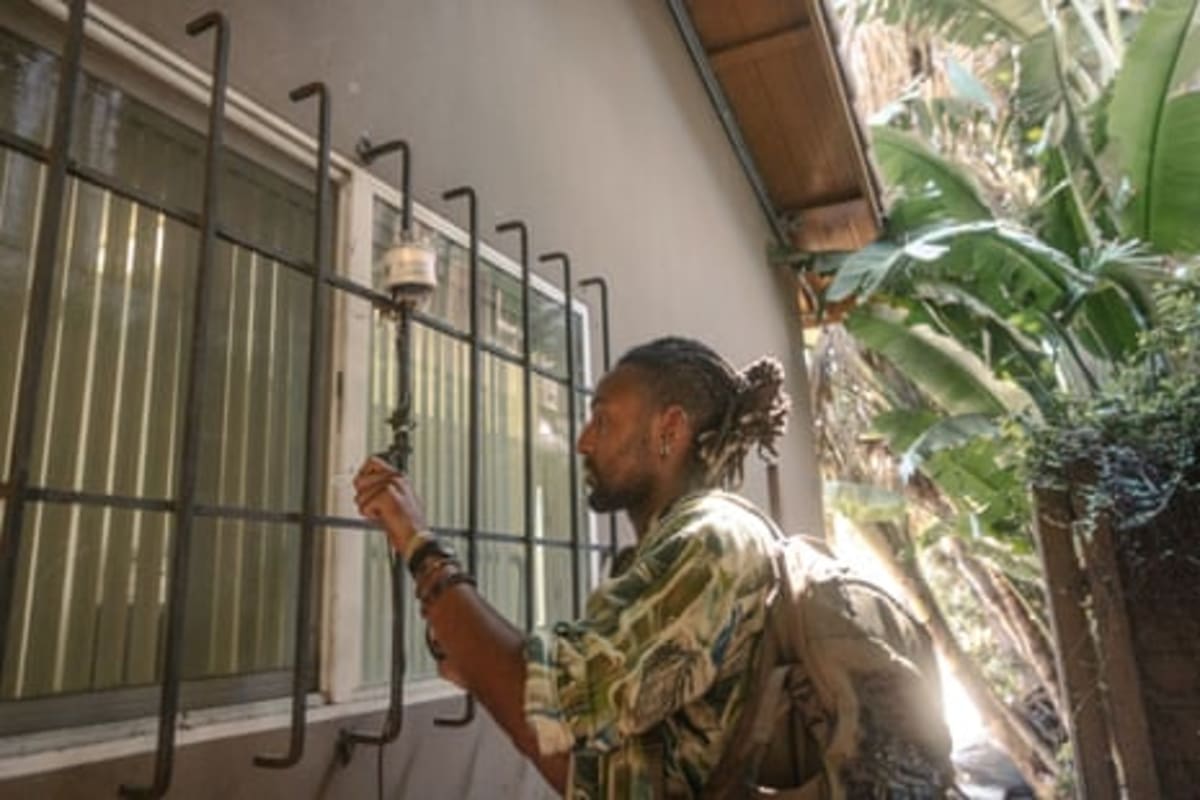
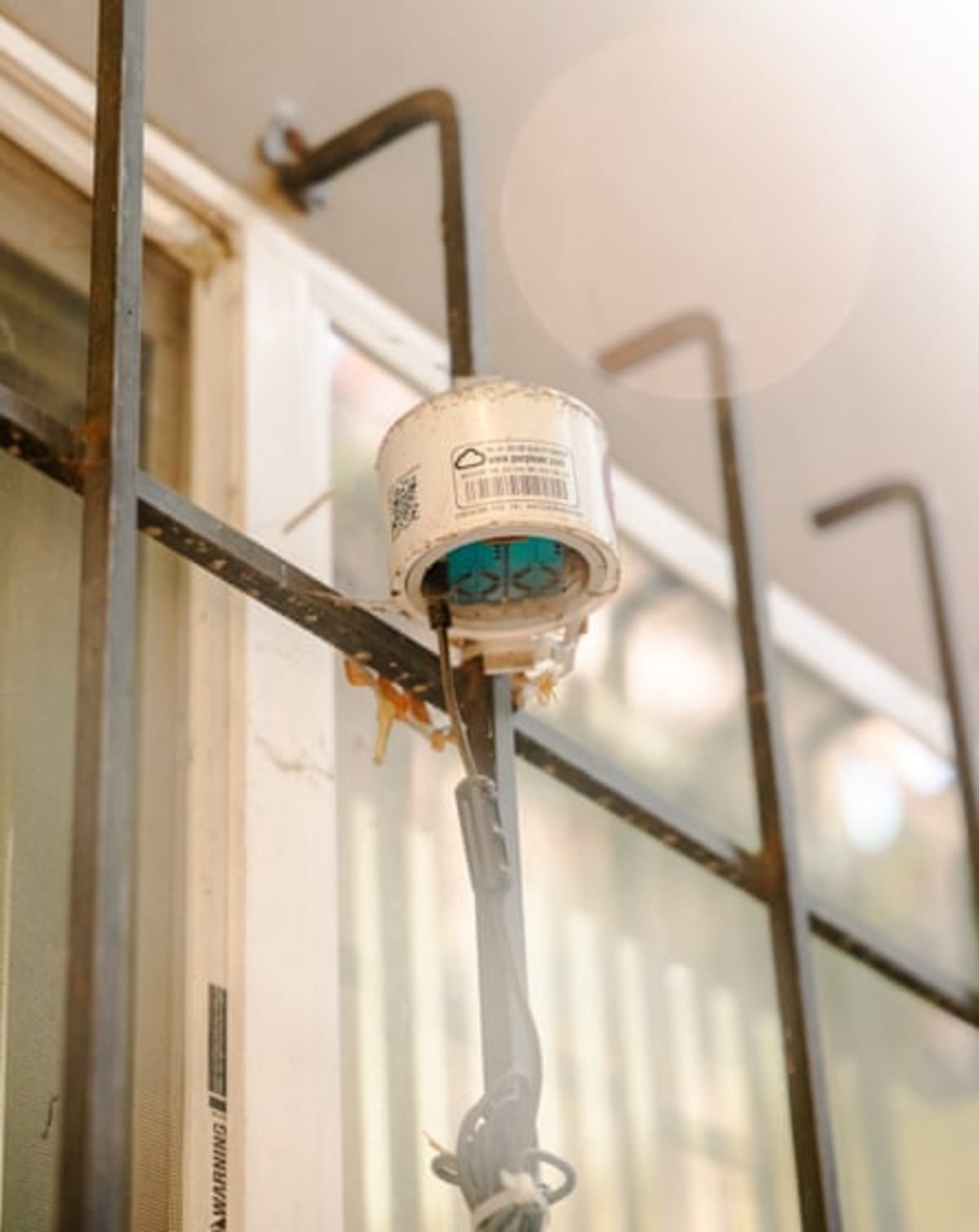
Now, a shoebox-sized sensor zip-tied to his house is fighting back. It's part of a grassroots revolution putting air quality data directly into residents' hands.
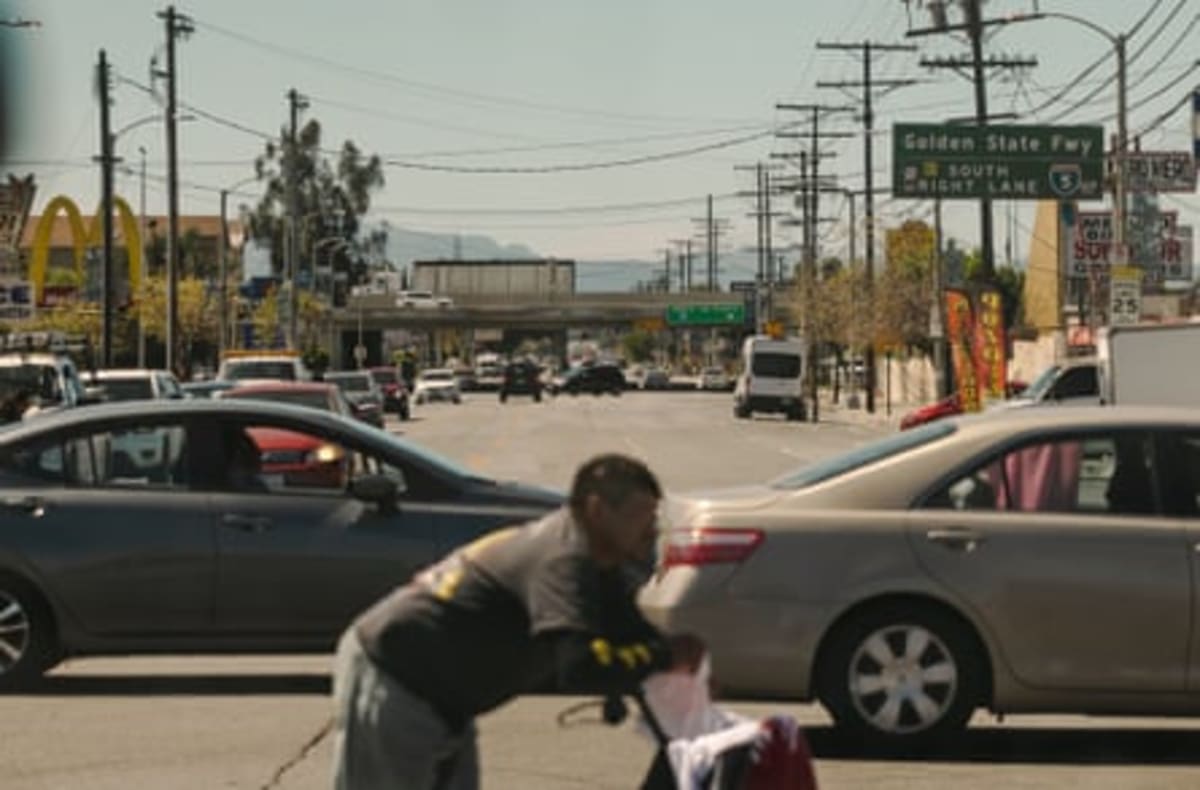
Pacoima stands out even in a city ranked among America's worst for air pollution. More than 81,000 people are packed into seven square miles, hemmed in by three major highways, a regional airport, auto dismantlers, landfills, and heavy industry. Nearly 9% of residents have asthma.
"They are impacted by every possible thing in Los Angeles," says Paloma Giottonini, an urban planning professor who works with the community. "They're surrounded by freeways, factories, landfills, power generation. All the pollution is there."
The problem gets worse every day. Students tallying traffic in 2023 counted over 200 cargo trucks in just the first two and a half hours of morning. By day's end, more than 500 trucks roll through these narrow residential streets, plus 100,000 cars on each surrounding freeway.
For decades, this multicultural, working-class community lacked real-time information about what they were breathing. The closest official air quality sensor sits miles away and doesn't capture the pollution choking their streets.
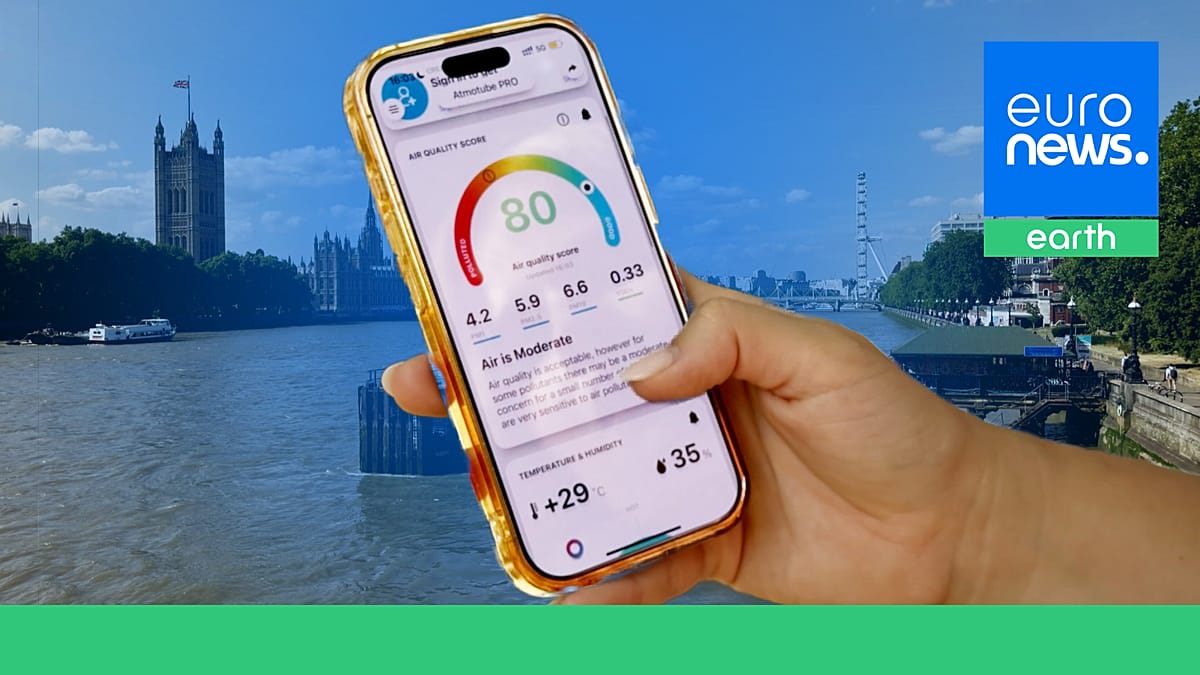
That's where Pacoima Beautiful comes in. The environmental group has installed six sensors across the neighborhood on business rooftops, playgrounds, and homes like Salas's. Each quietly measures pollutants like PM2.5 and ozone, creating a hyperlocal picture of air quality that regulatory agencies miss.
Environmental project manager Shance Taylor climbs ladders around the city, installing and maintaining the sensors that connect to residents' WiFi. The data flows in constantly, showing spikes when truck traffic surges or when still air traps exhaust from the highways.
The Ripple Effect
Armed with this data, Pacoima residents are now marching into city meetings with proof. They can show officials exactly how much worse their air is compared to neighborhoods just miles away. They're demanding more official monitoring stations for the entire north-east San Fernando Valley.
"Data in the hands of the community is really powerful," explains Giottonini. "They can come to the city saying: 'Look at our levels. Our levels are much higher than everywhere else. Do something about it.'"
The movement started in 1996 when five mothers noticed the toxic smells their children breathed while walking to school. They knew collective action was the only way forward. Now Pacoima Beautiful has grown from fighting trash to tackling air quality with cutting-edge sensor technology.
The sensors represent something bigger than measurements: they're proof that communities don't have to wait for help when they can build their own solutions and demand the change they deserve.
More Images

Based on reporting by Guardian Environment
This story was written by BrightWire based on verified news reports.
Spread the positivity!
Share this good news with someone who needs it