LA Port Slashes Wait Times 85% With Electric Trucks
A major Los Angeles port terminal cut truck wait times from 90 minutes to just 35 by switching to electric vehicles. The switch is saving fuel costs while proving clean energy can actually speed up America's supply chains.
Waiting in line for an hour and a half used to be normal at one of America's busiest ports, but not anymore.
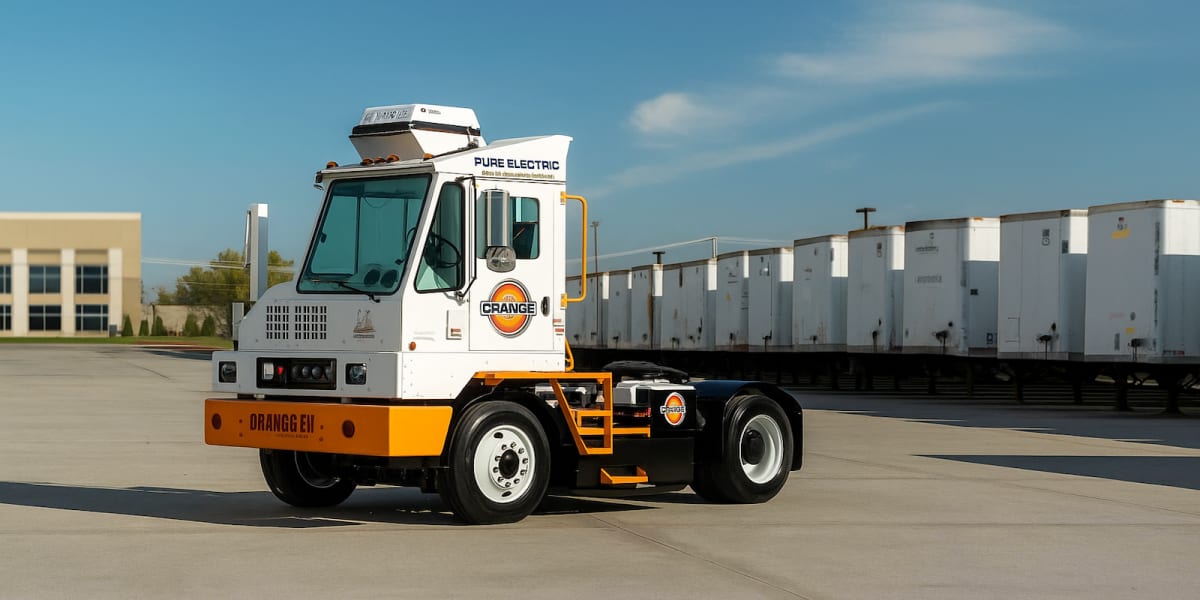
APM Terminals at Pier 400 in the Port of Los Angeles has cut average truck wait times from 90 minutes down to just 35 minutes. The secret wasn't adding more lanes or hiring more workers. It was switching to electric trucks.
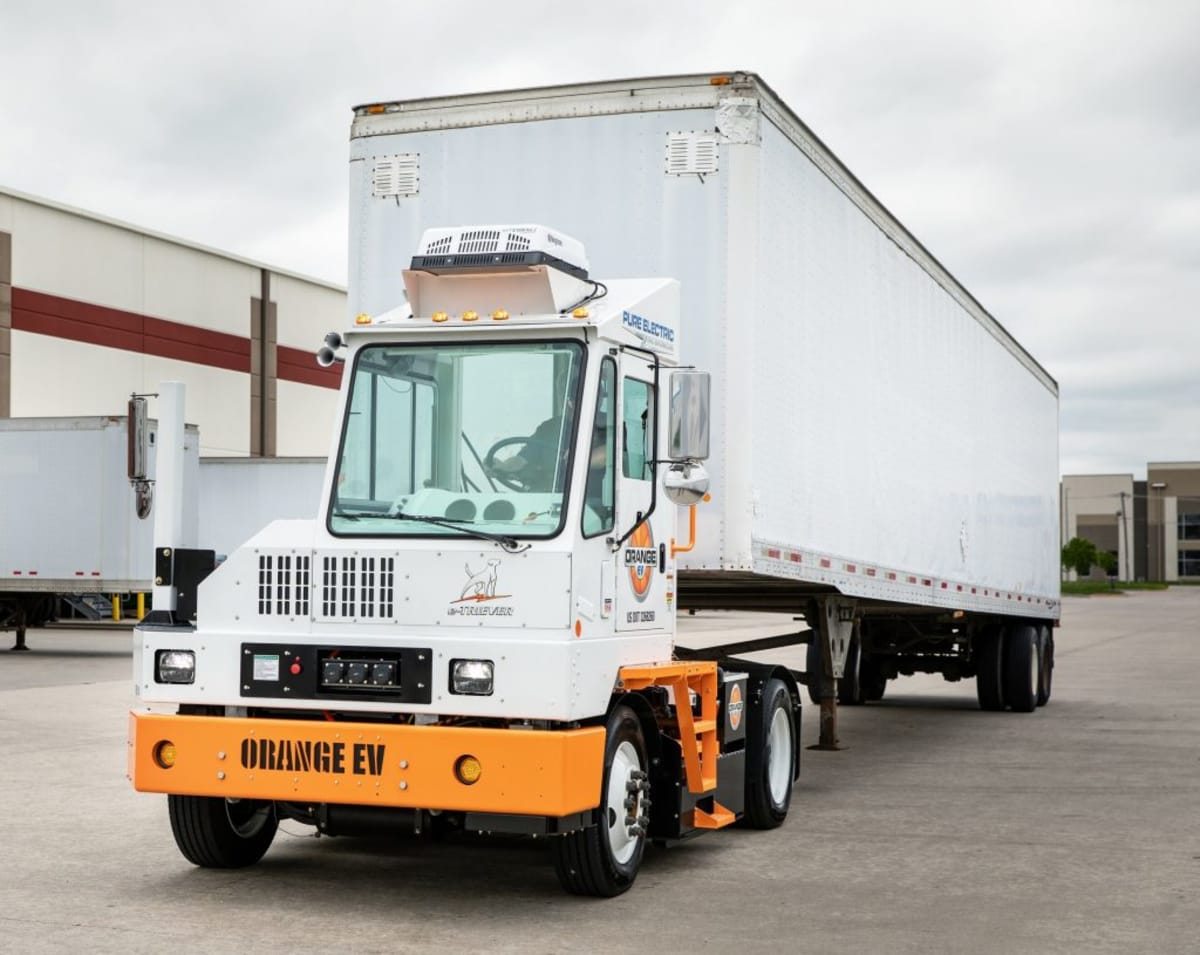
The terminal now runs 22 electric terminal tractors, those heavy-duty vehicles that haul shipping containers around the port yard. Managing Director Jon Poelma admits he was skeptical at first about whether electric vehicles could handle the job reliably.
The results changed his mind. The electric trucks proved more dependable than their diesel predecessors, with reliability jumping from the low 60% range to a consistent 90%.
That better uptime meant trucks kept moving instead of waiting for broken equipment to get fixed. Combined with dedicated green lanes for zero-emission vehicles and smarter coordination between gates, rail, and yard operations, the port transformed from "wait your turn" to "keep it moving."
The terminal has gone all-in on electrification. Beyond the terminal tractors, the operation now includes 36 electric cars and trucks, 3 electric straddle carriers, 9 heavy-duty electric forklifts, and 51 charging stations scattered across the sprawling facility.
Even the massive ship-to-shore cranes run on grid electricity instead of diesel generators. Last year, 97% of ships docking at Pier 400 plugged into shore power, eliminating the plumes of smoke that used to bilge from idling vessels.
The Ripple Effect
The efficiency gains are changing how ports think about going green. For years, the conversation around electric heavy equipment focused mainly on emissions and climate goals. Now there's hard proof that electrification can actually improve operations and save money at the same time.
The terminal currently uses about 7 megawatts of electricity and plans to triple that to over 18 megawatts as electrification expands. To support the transition, APM Terminals is investing heavily in training programs for both equipment operators and mechanics.
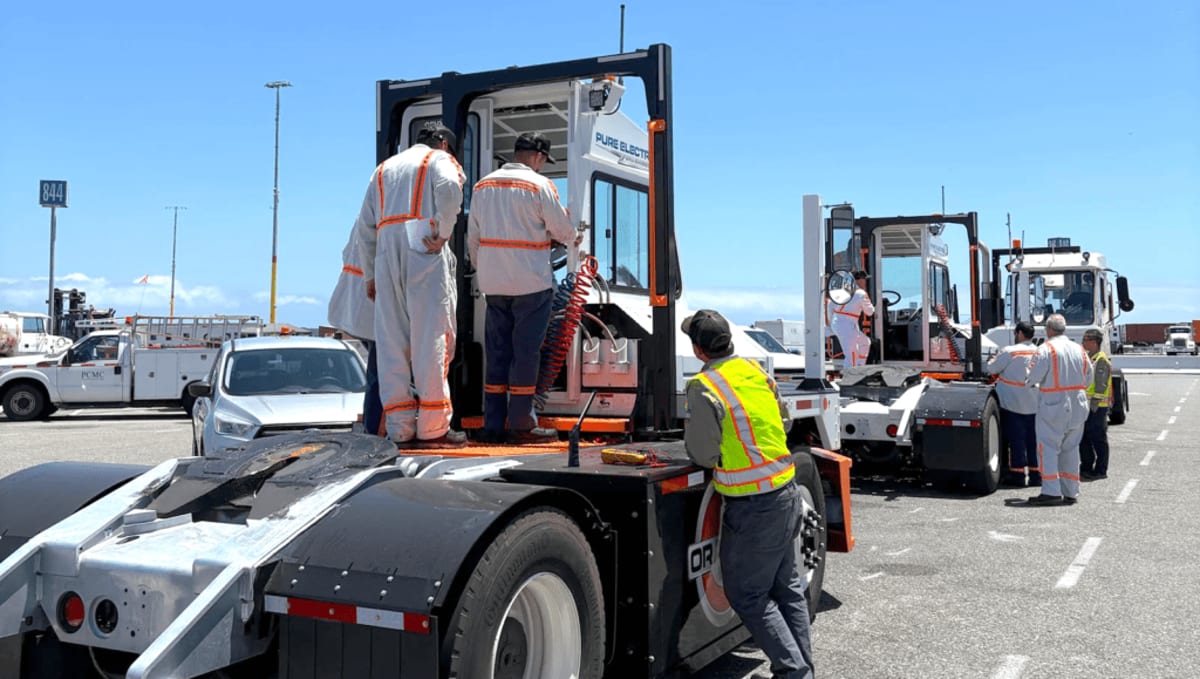
Joe Gregorio Jr., President of PCMC, says the training gives mechanics the confidence and skills to maintain the port's clean energy future. The program values union craftsmanship while preparing workers for the jobs of tomorrow.
Other ports are watching closely. Even some of Europe's cleanest ports haven't implemented shore power for ships yet, according to Poelma, making Los Angeles and Long Beach leaders in practical port electrification.
The shift is proving that heavy-duty vehicles doing short runs at low speeds under heavy loads are ideal candidates for going electric, and the benefits go far beyond cutting emissions.
More Images

Based on reporting by Electrek
This story was written by BrightWire based on verified news reports.
Spread the positivity!
Share this good news with someone who needs it