LA Rice Cracker Factory Now Houses 200 People
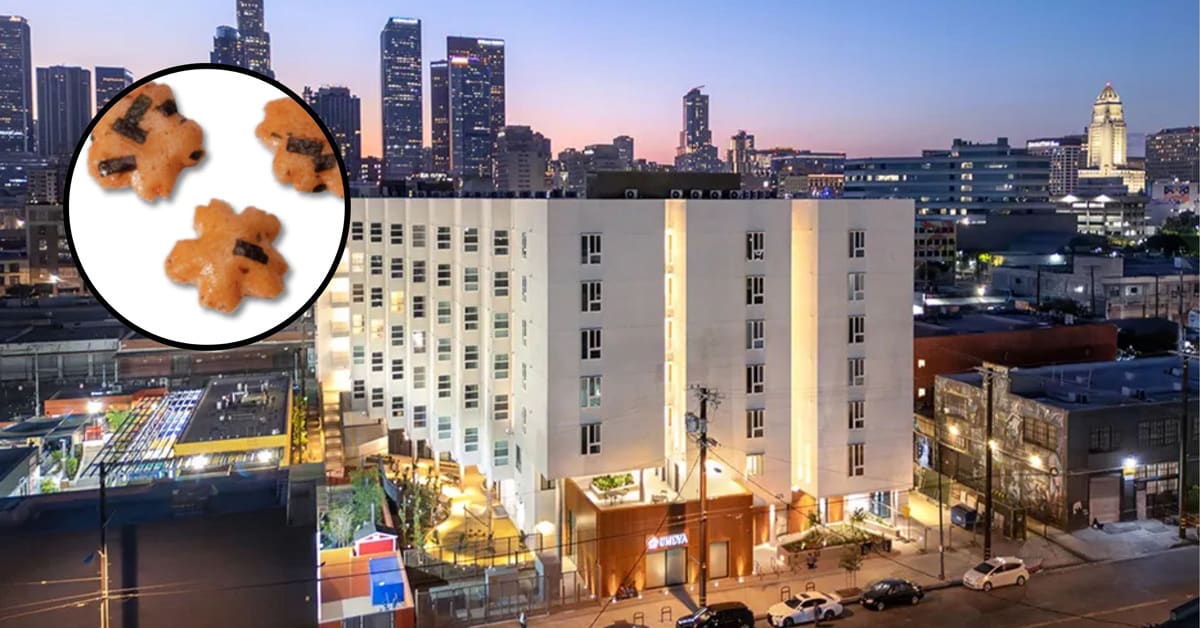
A century-old Japanese rice cracker factory in Los Angeles has transformed into affordable housing for nearly 200 people. The Umeya building bridges Little Tokyo's past with solutions for today's housing crisis.
For nearly 100 years, the scent of soy sauce-glazed rice crackers filled a factory between Little Tokyo and Skid Row in Los Angeles. Today, that same building provides something even more essential: home.
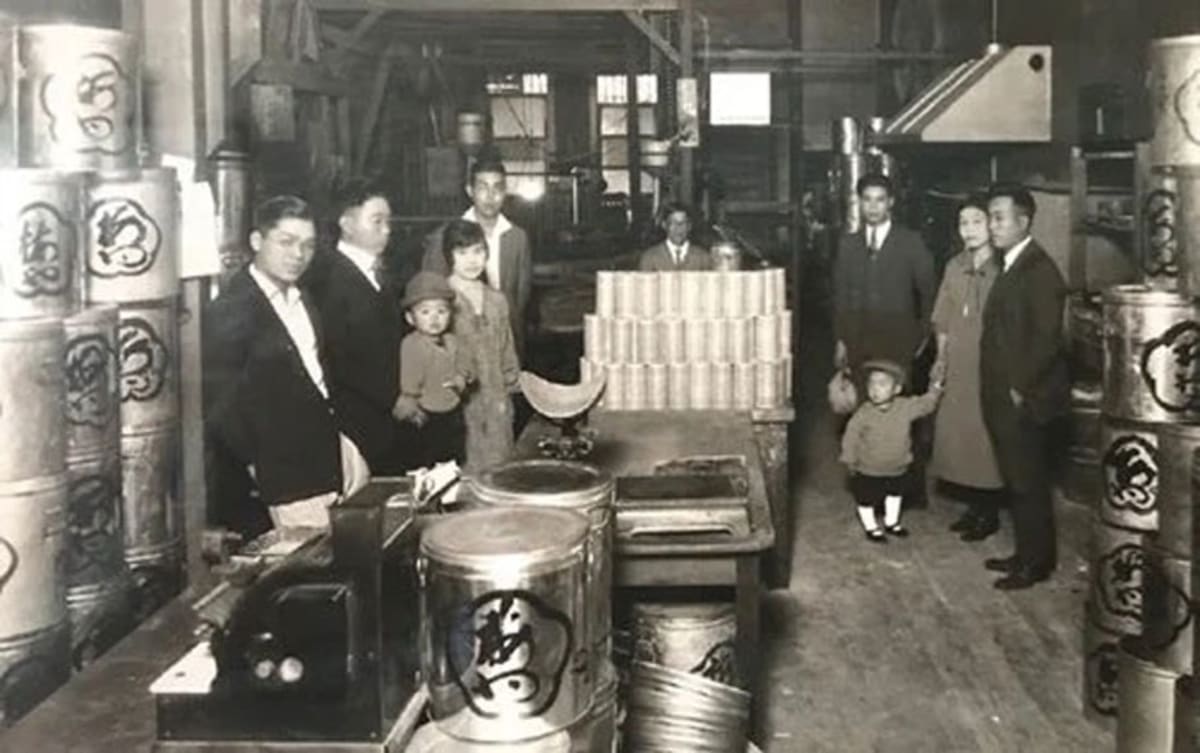
The Umeya factory produced cherry blossom-shaped rice crackers from 1918 until shutting down in 2017. Those crispy treats were staples in Asian American households across the country, but the building's new purpose serves an even deeper community need.
Where workers once mixed dough and baked crackers, 175 apartments now house up to 300 residents. The transformation showcases adaptive reuse, where old buildings get new life as housing instead of sitting empty or being demolished.
The residents include working adults, retirees, and families who pay no more than 30% of their income in rent. That's critical in a country where only 35 affordable rental homes exist for every 100 extremely low-income renters, according to the National Alliance to End Homelessness.
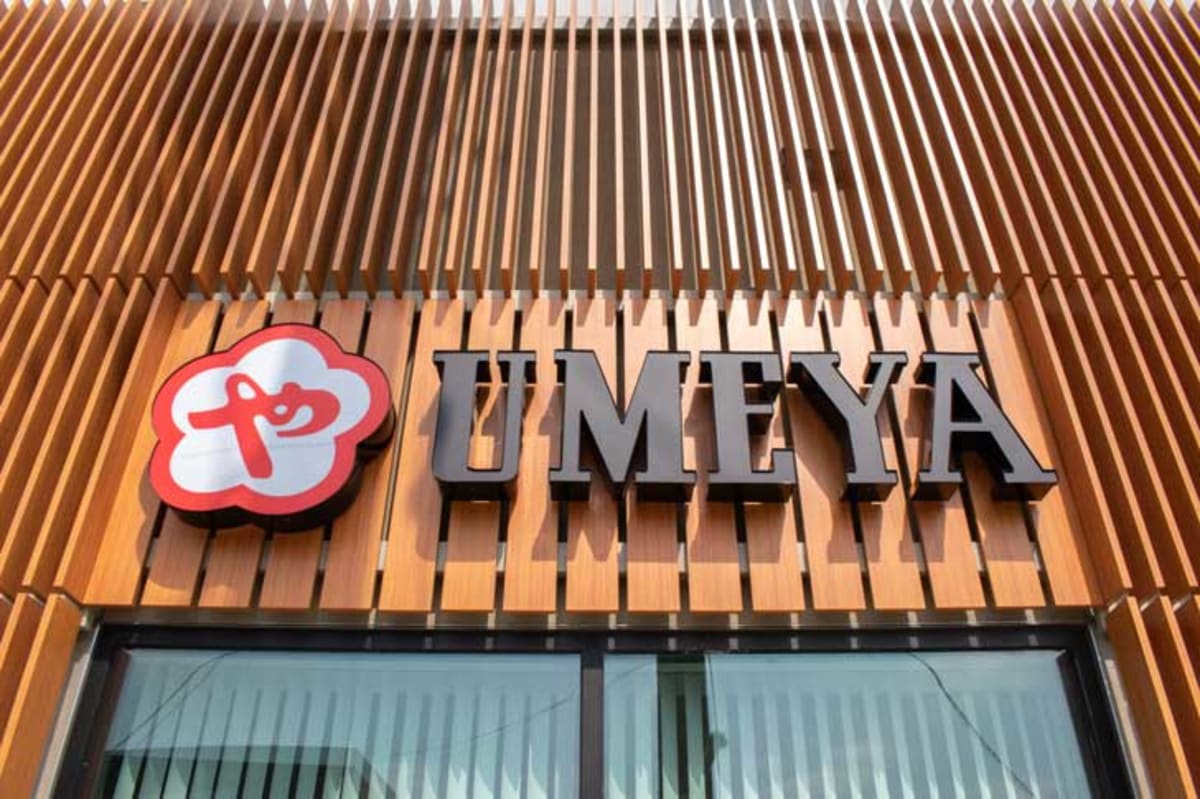
The Little Tokyo Service Center, a nonprofit providing social services in the area, bought the factory and led the conversion. They kept the Umeya name, honoring the building's heritage while addressing today's urgent housing shortage.
"Our family business has been a part of the Little Tokyo neighborhood since 1918," said Rex Hamano, a family representative. The family sees the building's transformation as inseparable from the community that supported their crackers for nearly a century.
The Ripple Effect
The Umeya shows what's possible when cities look at existing buildings through a housing lens. Across America, empty malls, shuttered offices, and old factories could become homes instead of eyesores.
"Housing is harder and harder to build, but projects like Umeya show what's possible when community and legacy come together," said Takao Suzuki, co-executive director of the Little Tokyo Service Center. The project proves that solving housing shortages doesn't always mean starting from scratch.
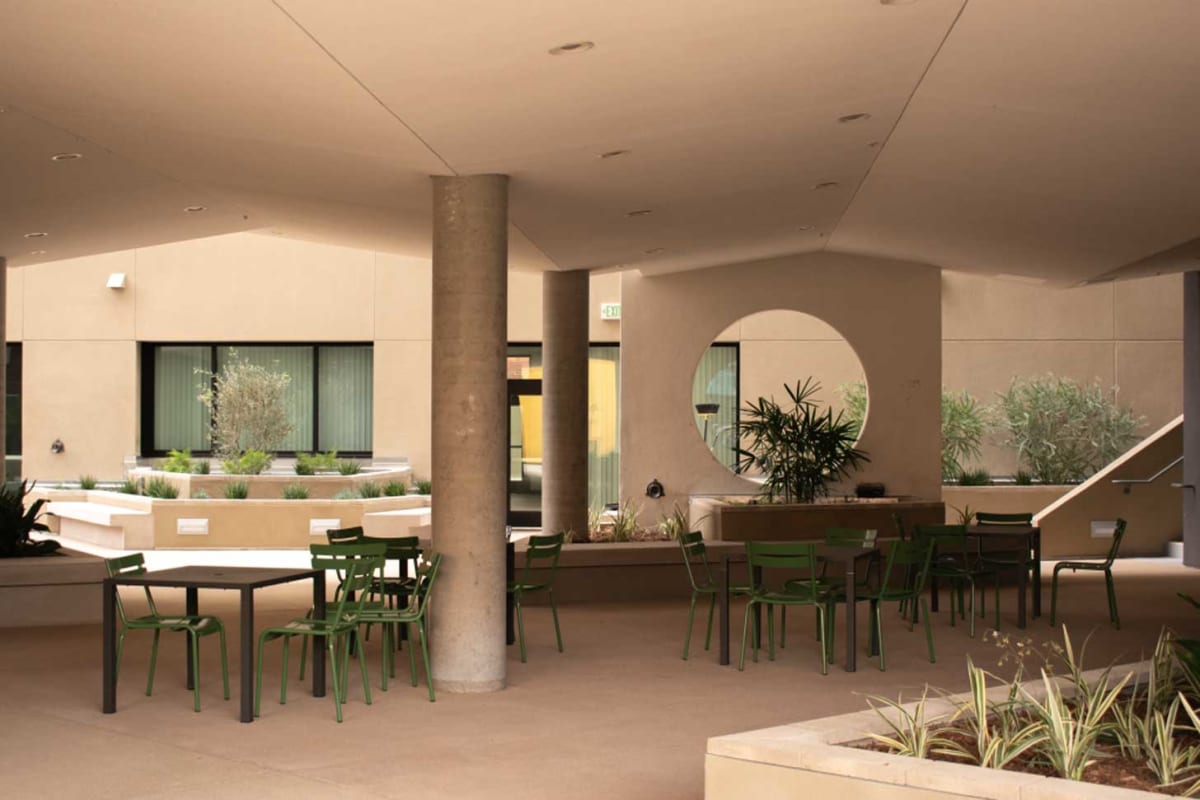
The building's shared courtyard and preserved name create continuity between past and present. Former customers of Umeya crackers now walk past a building that still serves their community, just in a fundamentally different way.
Nearly 200 people now call The Umeya home, proof that creative solutions can honor history while building a better future.
More Images

Based on reporting by Good Good Good
This story was written by BrightWire based on verified news reports.
Spread the positivity!
Share this good news with someone who needs it