LA River Device Stops 194 Tons of Trash Since 2022
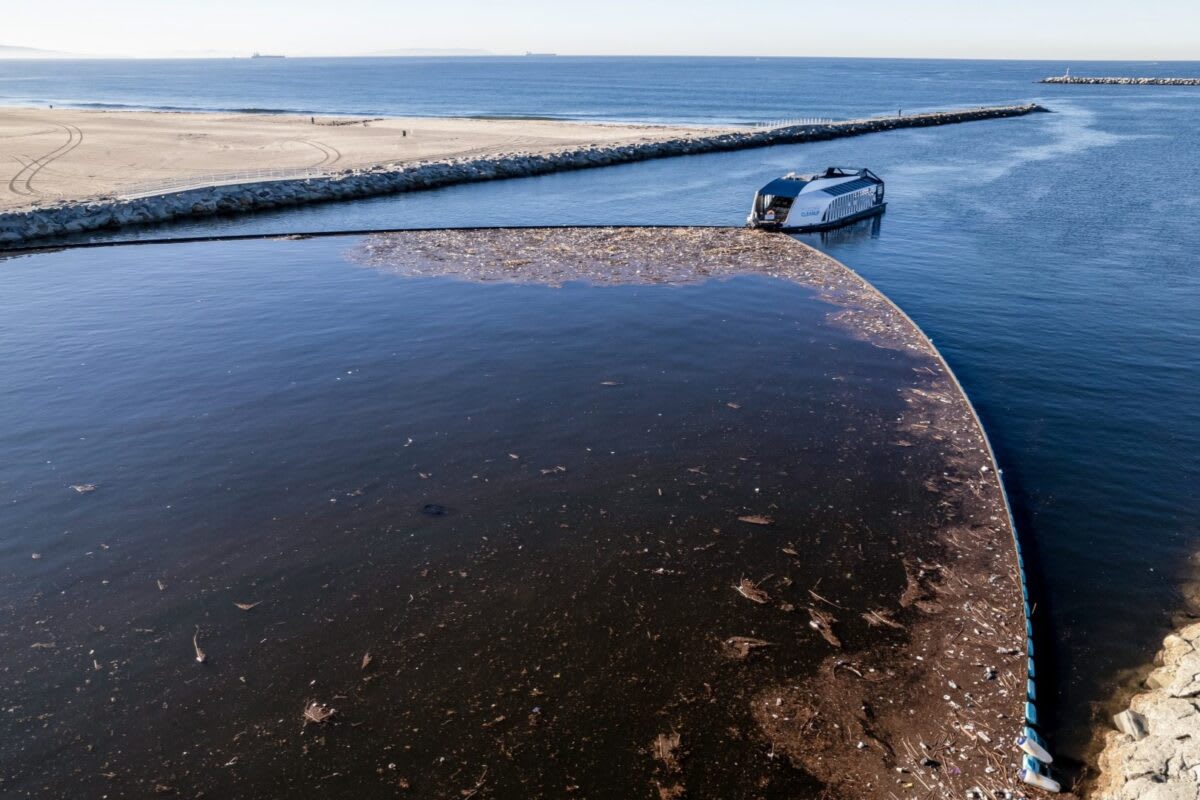
A floating garbage collector in California's Ballona Creek has captured 194 tons of trash before it could reach Santa Monica Bay. The city is ramping up the cleanup effort ahead of the 2028 Olympics.
A trash-catching machine quietly stationed in a Los Angeles waterway has stopped nearly 200 tons of garbage from polluting the ocean, and now the city wants to do even more.
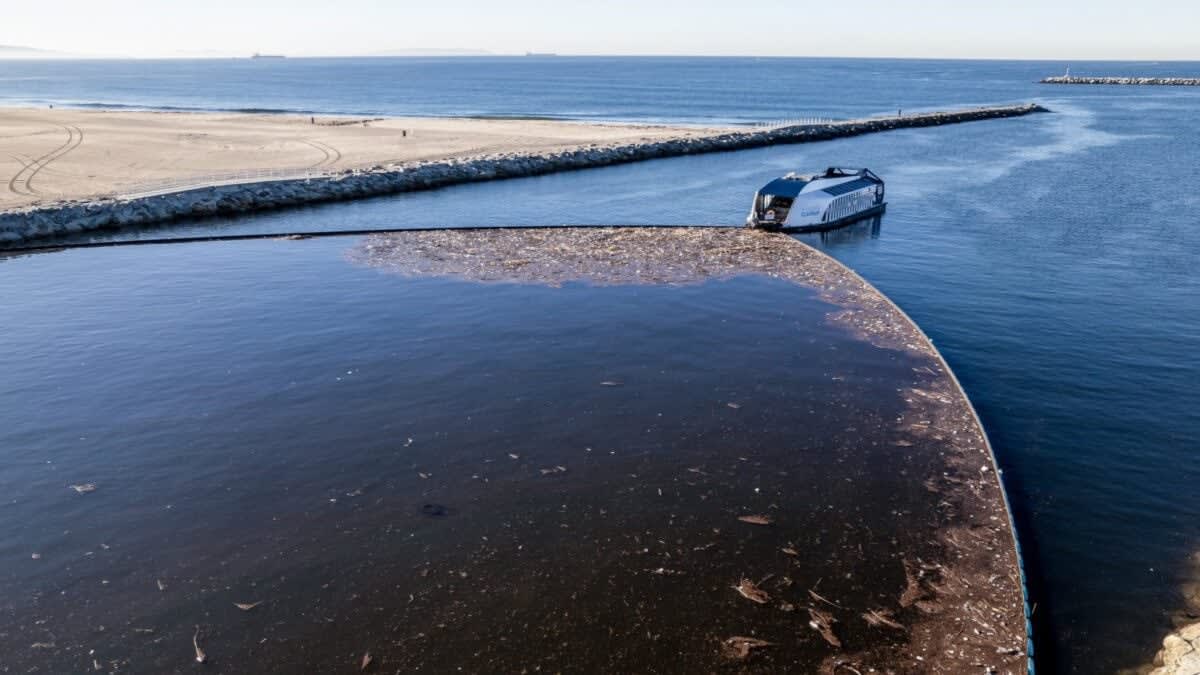
The Ocean Cleanup nonprofit deployed its first North American "Interceptor" in Ballona Creek back in 2022. Since then, the floating device has captured 194 tons of trash and debris before it could flow into Santa Monica Bay near Santa Monica, California.
The Interceptor works like a net for rivers, catching plastic bottles, food wrappers, and other debris as water flows past. It operates around the clock without needing fuel, using the natural current to guide trash onto a conveyor belt and into collection bins.
Los Angeles is now partnering more closely with Ocean Cleanup as the city prepares to host the 2028 Olympics. The collaboration aims to keep the region's waterways cleaner for both residents and the millions of visitors expected to arrive for the games.
Ballona Creek flows through urban neighborhoods before emptying into the Pacific Ocean. Every piece of trash stopped by the Interceptor is one less item threatening marine life or washing up on beaches where families play.
The Ripple Effect
The success in Ballona Creek shows how technology can tackle pollution at its source. Instead of cleaning up beaches after trash arrives, the Interceptor stops the problem upstream where it starts.
Ocean Cleanup has deployed similar devices in rivers across Asia and the Caribbean. The organization estimates that 1,000 of the world's most polluted rivers contribute 80% of ocean plastic pollution.
California's coastal waters are already seeing benefits from the cleanup effort. Less trash in the bay means healthier ecosystems for dolphins, sea lions, and the fish that call these waters home.
The partnership also highlights how cities can prepare for major events by investing in lasting environmental improvements. The cleaner waterways won't just benefit Olympic visitors in 2028 but will continue protecting the ocean for years after the games end.
Local volunteers and students have joined cleanup efforts around Ballona Creek, turning environmental protection into community action. The Interceptor has become an educational tool, showing people exactly how much trash flows through urban waterways.
Los Angeles is proving that hosting a global event can be a catalyst for positive environmental change that outlasts the competition itself.
More Images


Based on reporting by Google News - Ocean Cleanup
This story was written by BrightWire based on verified news reports.
Spread the positivity!
Share this good news with someone who needs it