LA Rivers Get Dutch Cleanup Tech Before 2028 Olympics
Los Angeles is deploying innovative floating barges that catch thousands of pounds of trash flowing down rivers before it reaches the Pacific. The Ocean Cleanup's Interceptor has already pulled 200 tons from Ballona Creek since 2022.
Los Angeles beaches are getting a major cleanup thanks to a Dutch invention that's already proving it can catch river trash before it reaches the ocean.
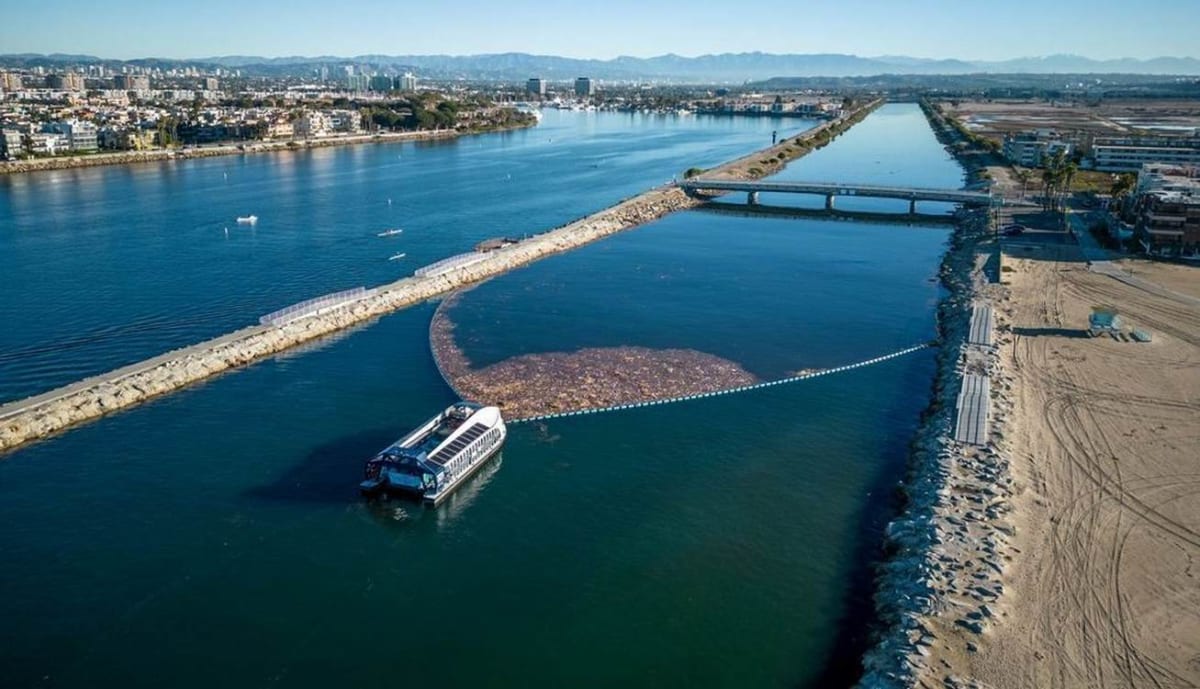
The city turned to Boyan Slat, founder of The Ocean Cleanup, whose floating Interceptor barge has been quietly working in Ballona Creek near Marina Del Rey since 2022. The device collects about 28,000 pounds of trash every year from communities like Venice, Beverly Hills, and Santa Monica.
Now Long Beach officials want the same technology for the San Gabriel River. With the city hosting Olympic rowing and open water swimming events in 2028, they're determined to showcase sparkling coastlines to the world.
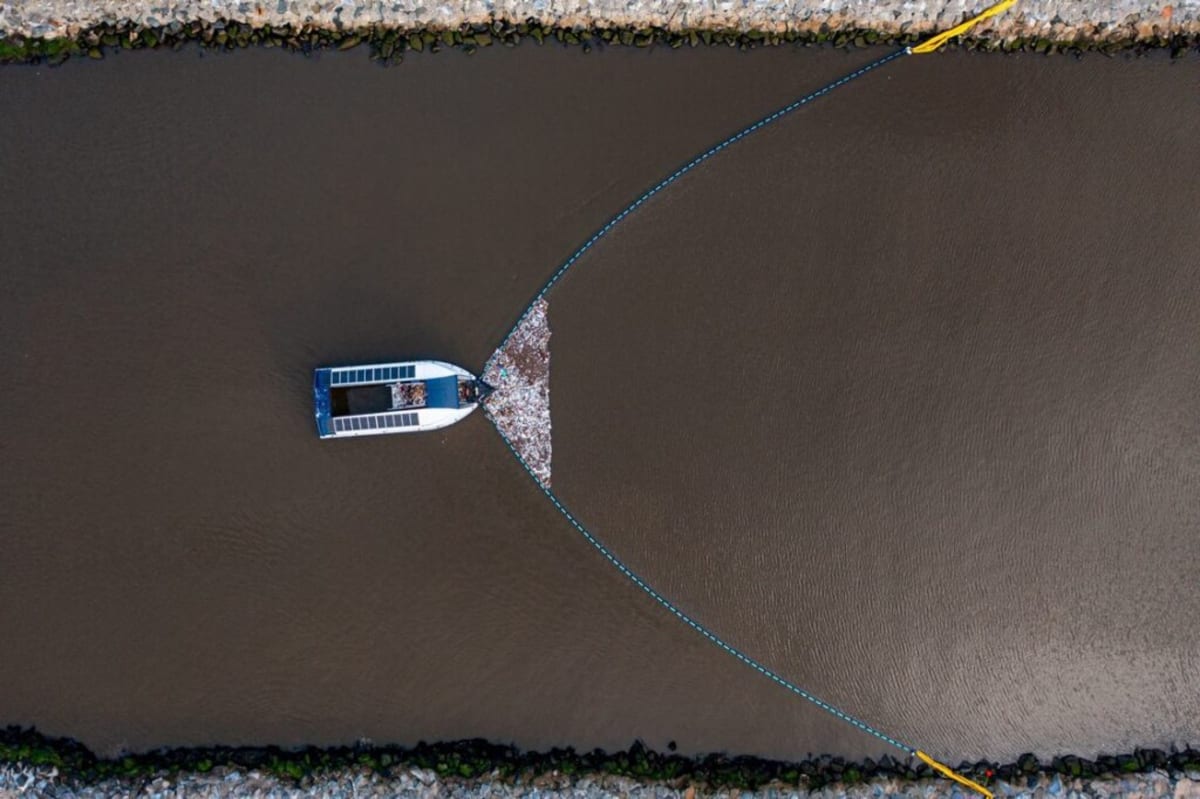
The Interceptor looks like a white barge sitting calmly in the water, but it springs into action when it rains. Stormwater washes garbage from neighborhoods down the concrete river channels, and that's when a diver connects a boom and net to funnel the floating trash toward the barge's central opening.
A conveyor belt pulls the debris out and dumps it into six large bins on the barge. When full, a boat hauls everything to the harbor where cranes lift it out for processing.
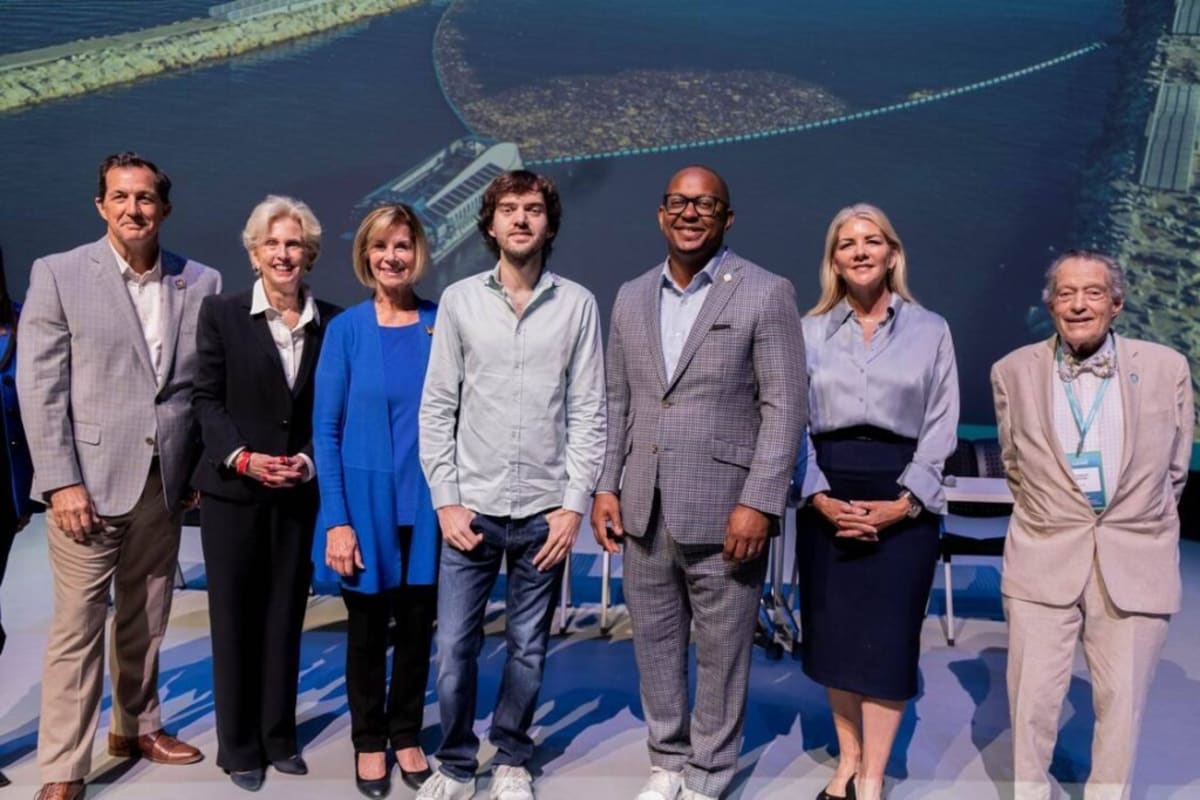
Seal Beach City Councilmember Joe Kalmick and state assemblymember Diane Dixon created the San Gabriel River Working Group to study how to replicate Ballona Creek's success. Since installation, that single Interceptor has captured more than 200 tons of trash.
James Patterson, who leads Ocean Cleanup's Los Angeles operations, said each barge is custom built for its location. The LA and San Gabriel rivers present unique challenges because of the sheer volume of trash flowing through them during storms.
Slat originally designed the Interceptor for the world's 100 most polluting rivers, mostly in developing countries. But Los Angeles proved that even wealthy cities need better ways to stop trash from reaching the ocean.
The Ripple Effect
The success in Ballona Creek shows that catching trash at its source works better than beach cleanups after the damage is done. Every piece of plastic pulled from the river is one less threat to marine life and one less eyesore on California's famous coastline.
Long Beach Mayor Rex Richardson said the goal goes beyond the Olympics. "We want to make sure we present the very best of Los Angeles and Long Beach, and that includes a cleaner, healthier, more beautiful coastline," he explained.
The technology isn't cheap, costing several million dollars per installation, but city officials see it as an investment in both environmental health and civic pride.
With three years until the world watches Olympic athletes compete in Long Beach waters, the Interceptor gives the city a fighting chance to show that urban rivers can run cleaner.
More Images

Based on reporting by Google News - Ocean Cleanup
This story was written by BrightWire based on verified news reports.
Spread the positivity!
Share this good news with someone who needs it