LA Teens Answer 10,000 Crisis Calls, No AI Needed
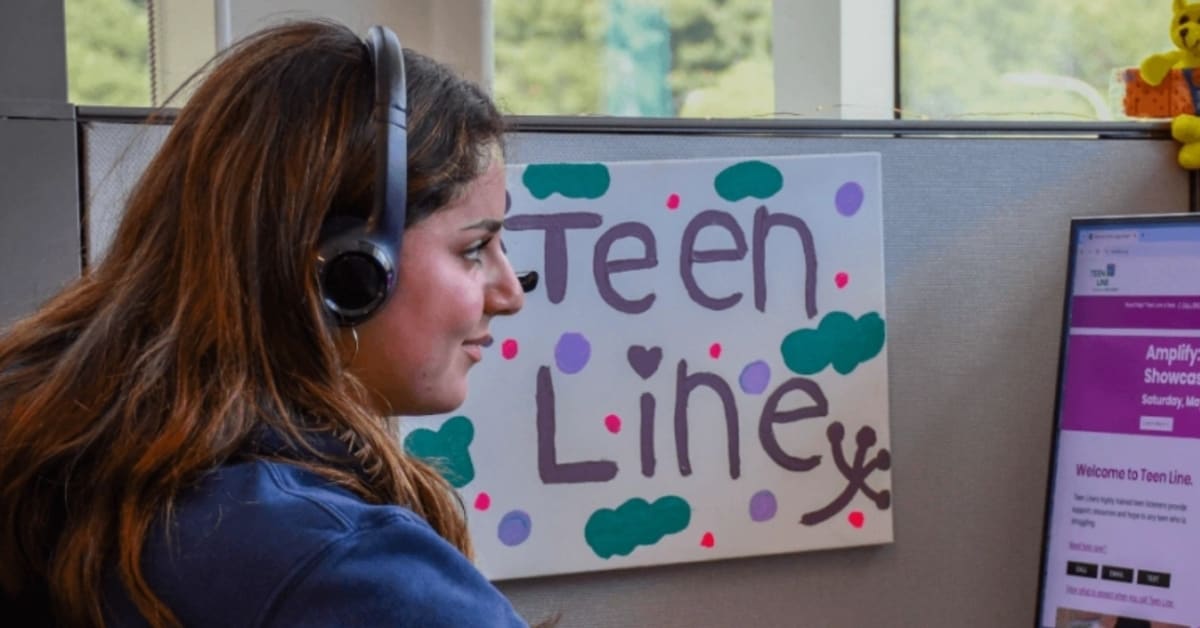
Every night in Los Angeles, teenagers staff a mental health hotline that helped nearly 10,000 young people in 2025. Their secret weapon isn't technology—it's genuine human connection.
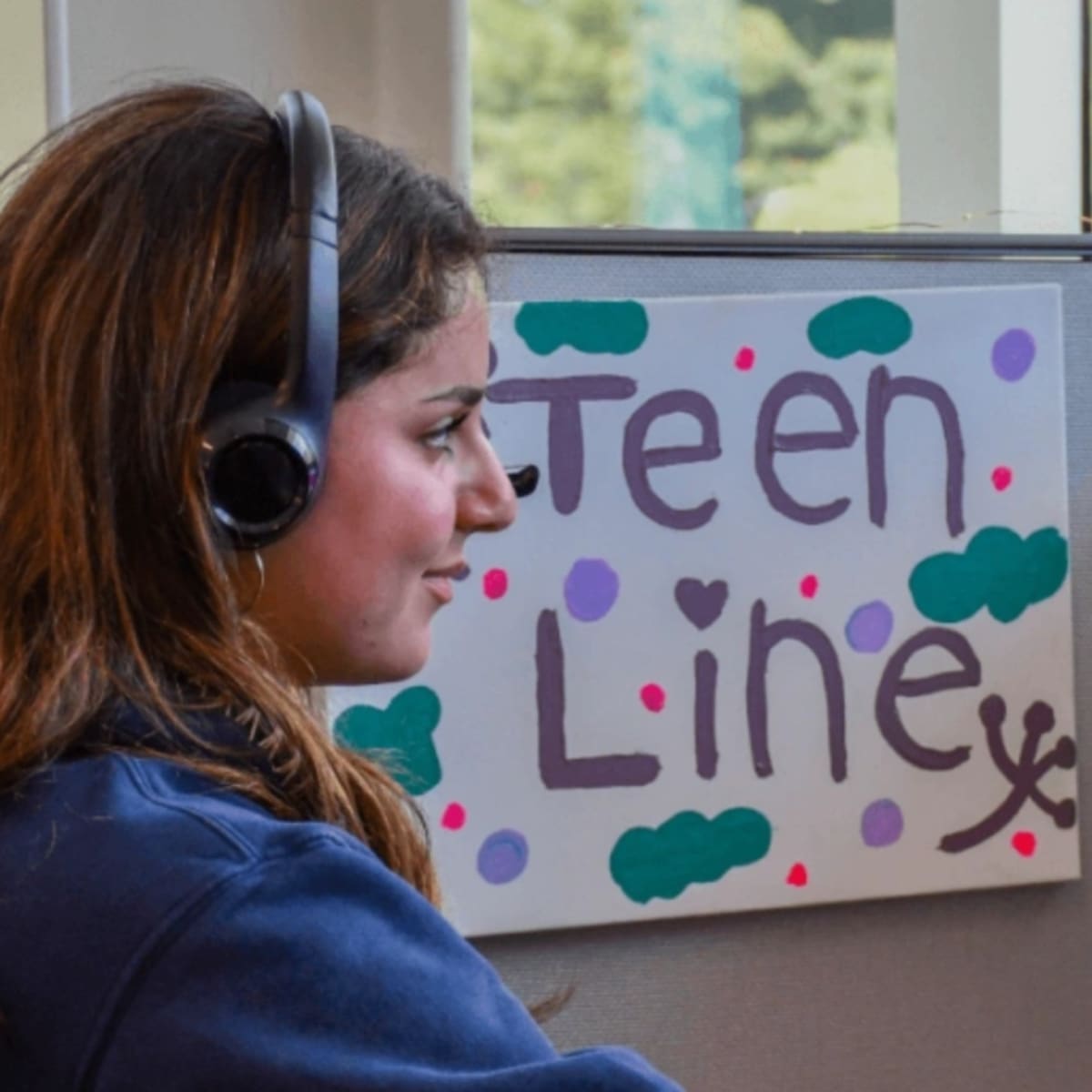
When someone calls Teen Line between 6 p.m. and 10 p.m., they're not looking for an AI chatbot. They're looking for another teenager who gets it.
This Los Angeles helpline pairs teen volunteers with peers facing everything from relationship drama to serious mental health crises. In 2024 alone, Teen Line helped nearly 9,000 people, with calls coming from as far away as Japan and Tanzania.
Before picking up the phone, each volunteer completes 65 hours of intensive training with professional counselors. They learn crisis management and active listening skills that prepare them for conversations that can literally save lives.
"We don't really solve that person's problems," says Max, a 15-year-old volunteer. "But what we can do is listen to them, validate them, make them feel really heard in a moment that they might really need it."
The issues range wider than most people expect. Sixteen-year-old volunteer Brooke says many callers aren't in immediate crisis at all. "So many of my calls have been about relationship issues, school stress, anxiety, maybe a fight with their parents," she explains.
For Brooke, the pandemic sparked her interest in helping peers who felt isolated and overwhelmed. "If there's some way that I could help teens not feel that way, then I want to do it," she says.
Sunny's Take
As AI technology advances, Teen Line callers are making their preference crystal clear. "Almost every night, we probably get asked, 'Are you AI? Are you a bot?'" says Cheryl Eskin, Teen Line's senior director. "And they don't want it to be."
That human connection keeps volunteers coming back despite busy school schedules and social lives. Max describes the profound impact of staying on the line with someone in crisis: "You come out on the other side of that call, and that person's still with you, realized there was something worth living for."
Similar peer support programs are sprouting worldwide. In Karnataka, India, the state's first Child Rights Club launched "beacon buddies" to help classmates spot early signs of distress. Australia's Peers for Teens program pairs young adults with autism together for four months of confidence building.
These young volunteers aren't just answering calls—they're proving that human empathy remains irreplaceable.
More Images

Based on reporting by Good Good Good
This story was written by BrightWire based on verified news reports.
Spread the positivity!
Share this good news with someone who needs it